Konami • 2024 • Xbox Series X|S, PC (Microsoft Windows), PlayStation 5
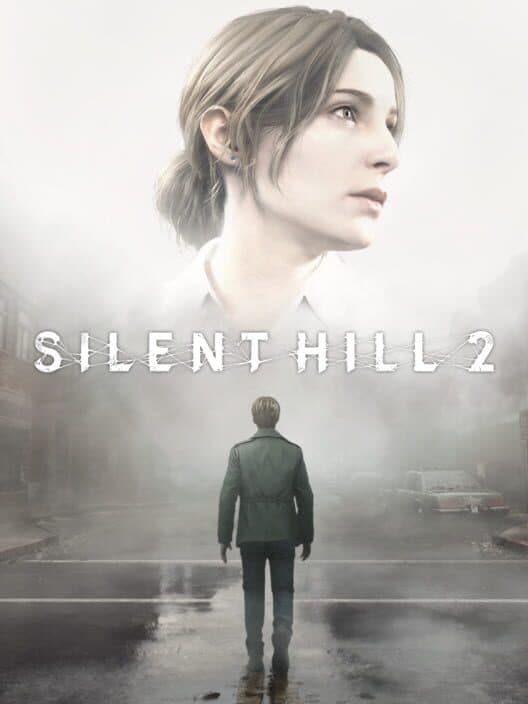
Slow, puzzle-focused psychological horror story experience
Emotionally intense themes of guilt and grief
Single 16–20 hour campaign, with replay hooks
Silent Hill 2 Remake is worth it if you want a focused, unsettling story you can actually finish in a few weeks. It is a slow, puzzle-heavy horror game, closer to a disturbing film than an action blockbuster. The game asks for emotional resilience, a quiet space, and real attention; you will be reading notes, solving riddles, and sitting with some very uncomfortable themes about illness, guilt, and loss. In return, you get one of the most memorable narratives in horror games, presented with modern visuals, excellent sound, and a constant sense of dread. Combat and puzzles can be demanding on default settings, but generous retries and separate difficulty options let most adults tune things to their comfort zone. Buy at full price if you love horror, care about narrative, and appreciate a finite 16–20 hour experience with replay potential through multiple endings. Wait for a sale, or skip, if gore, slow pacing, or heavy psychological topics are dealbreakers.

Konami • 2024 • Xbox Series X|S, PC (Microsoft Windows), PlayStation 5
Slow, puzzle-focused psychological horror story experience
Emotionally intense themes of guilt and grief
Single 16–20 hour campaign, with replay hooks
Silent Hill 2 Remake is worth it if you want a focused, unsettling story you can actually finish in a few weeks. It is a slow, puzzle-heavy horror game, closer to a disturbing film than an action blockbuster. The game asks for emotional resilience, a quiet space, and real attention; you will be reading notes, solving riddles, and sitting with some very uncomfortable themes about illness, guilt, and loss. In return, you get one of the most memorable narratives in horror games, presented with modern visuals, excellent sound, and a constant sense of dread. Combat and puzzles can be demanding on default settings, but generous retries and separate difficulty options let most adults tune things to their comfort zone. Buy at full price if you love horror, care about narrative, and appreciate a finite 16–20 hour experience with replay potential through multiple endings. Wait for a sale, or skip, if gore, slow pacing, or heavy psychological topics are dealbreakers.
When you have a quiet evening, headphones, and 60–90 minutes to fully sink into a tense chapter without kids or roommates wandering through the room.
On a dark, rainy weekend night when you are in the mood for something unsettling and thought-provoking, closer to a disturbing film than a power fantasy.
Between long live-service games, when you want a focused two-to-three-week experience you can finish, process emotionally, and then comfortably set aside.
A focused 16–20 hour journey you can finish in a couple of weeks, with flexible pauses but old-school save points and tricky restarts after long breaks.
From a time and lifestyle angle, Silent Hill 2 Remake is friendly to busy adults. A thoughtful first playthrough on default settings usually lands around 16–20 hours, which fits neatly into two or three weeks at 5–10 hours per week. The campaign is linear but broken into distinct areas like streets, apartments, hospital, prison, and hotel, so a typical 60–90 minute session often covers one strong chunk of progress. You can pause absolutely anywhere, which makes it easy to handle quick real-life interruptions. The catch is its old-school saving: you rely on fixed red save points and autosaves, so you cannot always lock in progress the exact minute you need to stop. It is fine if you plan ahead a little, but not ideal for five-minute bursts. Coming back after a long break can also be rough, since puzzles and objectives live in scattered notes rather than a tidy quest log. This is a game that works best when you play a little most nights until you finish, treating it like a limited-run TV series.
A slow, puzzle-driven horror game that needs steady attention and good listening, without overloading you with complex systems or twitch reactions.
Silent Hill 2 Remake asks for steady, focused attention more than raw speed. Most of the time you are creeping through cramped interiors, checking your map, re-reading notes, and piecing together what key or code you are missing. The game leans hard on puzzles and careful navigation, so you are usually thinking about where you have been and what you might have overlooked rather than juggling lots of combat mechanics. Fights themselves are slower and simple: a few weapons, basic dodging, and clear enemy tells. That keeps your brain mostly in “solve the mystery” mode instead of “execute perfect combos.” You cannot really half-watch the screen or play while chatting with someone else. Important clues live in scribbled notes, audio stings, and subtle environmental details, and missing them can mean wandering around lost. Safe rooms give you short mental breaks, but overall this is a game you sit down to pay attention to, like a suspenseful movie that expects you to follow every scene.
You will grasp the basics quickly, while learning the town’s logic and enemy habits makes later playthroughs smoother and more rewarding.
Mechanically, Silent Hill 2 Remake is not a huge learning project. If you have played any modern third-person game, you will be moving, aiming, and swinging within minutes. The real learning happens over the first few chapters as you get used to how the town’s map works, what kinds of clues the designers like to hide, and how far you can push your luck with ammo and healing. After three to six hours, most busy adults will feel basically competent: able to read puzzles, kite enemies, and manage resources without constant panic. From there, extra skill pays off, but mainly if you replay. Knowing puzzle solutions, enemy placements, and efficient routes can turn a second run into a smooth eight to ten hour experience, and raising combat difficulty makes dodging and spacing more important. That said, the game does not demand mastery to be satisfying. You can see credits, get a meaningful ending, and feel you “got” the experience without ever chasing trophies or speedruns.
Emotionally heavy and frequently nerve-wracking, with enough mistakes and scares to keep your heart rate up without feeling relentlessly cruel.
Emotionally, this game pulls no punches. Even outside of big scares, the constant fog, sickly lighting, and unnerving soundscape keep your nerves humming. You are rarely in outright panic the way a fast action game might cause, but there is a steady, crawling dread that can be just as draining. The subject matter is heavy: terminal illness, marital breakdown, abuse, guilt, and self-destruction. For many players, that hits harder than any jump scare. On standard settings, enemies hit hard enough and resources feel scarce enough that you never fully relax, especially in tight hallways or boss rooms. Mistakes sting, but they do not usually set you back far, so the fear comes more from atmosphere and anticipation than from losing hours of progress. This makes the game intense in the moment yet still approachable for adults who do not want a brutally punishing experience. Still, it is not ideal if you are already anxious or looking to unwind after a rough day; it feels closer to watching a disturbing film than casual comfort TV.
Games with a similar rhythm and feel, even if they look different