hello@slated.gg
Powered by IGDB•Privacy•Terms

© 2026 Slated.gg

Slated.gg
Popular GamesAboutDiscover Games
Silent Hill: Townfall

Annapurna Interactive • 2026 • PC (Microsoft Windows), PlayStation 5
Satisfying to completePerfect for a weekendEasy to jump into
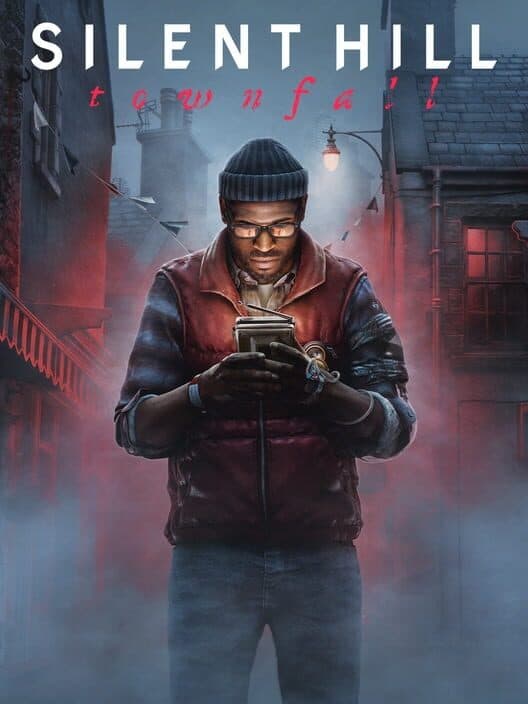
Silent Hill: Townfall cover art

Silent Hill: Townfall

Annapurna Interactive • 2026 • PC (Microsoft Windows), PlayStation 5

Satisfying to completePerfect for a weekendEasy to jump into

Is Silent Hill: Townfall Worth It?

As of this analysis, Silent Hill: Townfall is still unreleased, so the verdict is provisional: it looks worth buying if you want a tense, story-driven horror game that respects your time. The strongest hook is not action. It is the mood of St. Amelia, the CRTV, and the way puzzles, place, and fear seem tied together. If the final game delivers on previews, you are getting a compact 8 to 15 hour mystery with strong atmosphere and a clear ending, not a 50 hour commitment. Full-price buyers should be people who already know they enjoy first-person horror, slow exploration, and feeling uneasy for an evening. Wait for a sale if you are unsure about awkward melee, motion sickness, or whether it feels like the series you want. Skip it if you want power fantasy combat, lighthearted play, or something you can enjoy half-distracted on a second screen.

What is Silent Hill: Townfall like?

Opinions of Silent Hill: Townfall

What Players Love

  • Players Love

    St. Amelia’s Scottish setting feels fresh, specific, and unsettling

    Preview coverage and fan chatter often single out the fishing-port town, weather, and local texture as the game's clearest hook and biggest source of dread.

  • Players Love

    The CRTV makes puzzles and survival feel connected

    Players like that the handheld screen seems useful in more than one way: guiding exploration, reading threats, and feeding story details without feeling like a gimmick.

Common Concerns

  • Common Concern

    Combat and early monster reveals still raise doubts

    Even interested fans are watching combat closely. First-person melee could feel awkward, and a few early enemy designs are seen as less memorable than the setting itself.

  • Common Concern

    Some fans worry it may not feel authentic

    A recurring concern is tone and identity rather than raw quality. Players want the mystery, symbolism, and setting shifts to feel true to the name, not borrowed.

Divisive Aspects

  • Divisive

    First-person horror is the biggest make-or-break design choice

    Some people think the camera makes every hallway and encounter scarier. Others worry it feels overused, causes motion sickness, or clashes with what they want from the series.

What does Silent Hill: Townfall demand from you?

Time

LOW

Time

This looks like a contained story you can finish over several evenings, with natural stop points and full pause, but only checkpoint-level progress control.

LOW

For anyone who wants a complete experience without signing up for a second job, this looks encouraging. Current evidence points to a self-contained campaign that should land somewhere around one to two weeks of evening play for most people, not a months-long lifestyle game. It asks for steady short sessions rather than marathon commitment. The structure also seems fairly kind to real life. Because the game is single-player and appears to support full pause, a sudden interruption should be manageable in the moment. The bigger caveat is progress control. Checkpoint saving is usually fine, but it does mean you may want to finish a room, solve a chain, or reach a safer area before fully quitting for the night. Coming back after a break should be reasonable, though not frictionless. You will probably need a few minutes to remember what clue you were following and why a certain locked space mattered. In exchange for that modest scheduling discipline, the game seems ready to deliver a focused horror arc with a clear ending rather than an endless grind.

Tips
  • Plan for 60 to 90 minute sessions. That's long enough to clear a location, solve a chain, and hit a sensible stopping point.
  • Before quitting, try to reach a new room, checkpoint, or solved puzzle. Checkpoint games feel much better when you bank progress intentionally.
  • If you return after a week away, spend five minutes checking the map and your last clues before moving. It will save aimless wandering.

Focus

MODERATE

Focus

You can learn the basics quickly, but the game still wants steady attention as you search dark spaces, read clues, and decide when danger is close.

MODERATE

This looks like a horror game that asks for your full eyes-and-ears attention, then pays you back with a stronger sense of immersion and discovery. Most of your time should be spent scanning rooms, noticing what feels off, checking the CRTV, and piecing together grounded puzzle logic from small details. That means the thinking is more about observation and interpretation than about memorizing complex systems. The good news is that it does not seem overloaded with menus, stats, or deep combat layers. The bad news is that it probably will not tolerate second-screen play very well. If you look away during quiet puzzle work, you may miss a clue. If you look away during an outdoor threat section, you may miss the thing that keeps you safe. The game also seems to alternate between slow, thoughtful searching and short panic spikes, which should keep it from feeling mentally flat. In plain terms, it asks for close attention and calm reading of the world, then rewards that effort by making the town itself feel meaningful and threatening.

Tips
  • Play with headphones in a quiet room so the CRTV, footsteps, and distant sounds actually help instead of blending into background noise.
  • Keep a quick phone note for locked doors, item hints, and strange symbols so puzzle threads stay clear across multiple evenings.
  • If you're tired, stop after finishing one building or puzzle chain; sloppy attention will make both navigation and fear worse.

Challenge

MODERATE

Challenge

Getting comfortable should take a few hours, not a few weekends. The real hurdle is staying observant and calm when puzzles and monsters overlap.

MODERATE

The early learning curve looks approachable, which is good news if you do not want a game that needs a long training period before it becomes fun. The core loop seems readable: search spaces, inspect objects, use the CRTV, solve practical problems, and survive when the town turns hostile. That asks for patience and attention more than deep technical mastery. Where the friction will likely come from is not system complexity, but how the game layers pressure onto simple tasks. A puzzle can feel harder when you are tense. A short fight can feel worse when the controls are intentionally rough or desperate. Still, this does not look like a game that expects dozens of hours before you understand it. For a typical player, the main skill growth should be learning the game's visual language, noticing what counts as a clue, and recognizing when to back off instead of forcing a bad encounter. In return, the game seems ready to deliver that satisfying horror rhythm where confusion slowly turns into confidence, then confidence gets shaken again in a good way.

Tips
  • Spend your first hour learning how the CRTV reads danger and guidance. Understanding that tool will ease both puzzles and encounters.
  • When spotted, back off and reset instead of forcing a messy fight. This seems built around survival choices, not stylish domination.
  • Screenshot odd notes, diagrams, or device panels. Grounded horror puzzles often feel fairer when you can review details without backtracking.

Intensity

HIGH

Intensity

The fear looks heavier than the actual mechanics. Quiet exploration may stay manageable, but first-person dread and sudden encounters should keep your nerves busy.

HIGH

This appears to trade power fantasy for unease, which means it asks for emotional stamina more than elite mechanical skill. Even when nothing is attacking you, the tone seems built to keep your body on edge through silence, fog, poor visibility, and the constant sense that something may be nearby. Then, when danger does show up, the pressure likely jumps fast because combat looks messy and vulnerable rather than slick or empowering. That combination can be very effective. It asks you to tolerate discomfort, then delivers the special kind of relief and satisfaction that only horror can give when you solve a problem, survive a bad moment, or finally understand what a place means. The important distinction is that this does not currently look hard in the same way a punishing action game is hard. Instead, it looks draining in the way a good horror film is draining. If you enjoy being rattled on purpose, that is a feature. If you want something calming, this probably will not be your weeknight comfort game.

Tips
  • Start on a night when you still have some energy. Exhaustion turns good horror tension into plain frustration fast.
  • Use speakers instead of headphones if the dread gets too sharp; you'll lose some immersion but keep the mood without overloading yourself.
  • Treat combat as an escape tool, not a victory lap. Running or hiding will often keep the stress lower than forcing every fight.

Frequently Asked Questions

Silent Hill: Townfall looks medium in mechanical difficulty, but high in nerves. Based on current previews, it seems much easier to learn than a Soulslike and closer to games like Resident Evil 7, where tension, limited confidence, and messy encounters do most of the work. The basics look simple: explore, read spaces, solve grounded puzzles, use the CRTV, and survive when a threat gets close. The harder part will probably be staying calm when the game wants you to peek corners, move through dark streets, and decide whether to hide or fight. For most players, basic competence should come within the first few hours, not dozens. The big unknown is how polished combat feels in the final build, since first-person melee can either be manageable or awkward. So this does not look brutally hard, but it does look draining. If you dislike horror pressure or freeze when chased, it may feel harder than its actual rules suggest.

Expect roughly 8 to 15 hours for one main playthrough, with maybe 10 to 18 if you move slowly, search thoroughly, or revisit areas for extra details. That estimate is still provisional because the game had not launched at the time of this analysis, but all signs point to a full story campaign rather than a tiny experiment or huge lifestyle game. For most people, this looks perfect for 60 to 90 minute evening sessions. The structure seems built around entering a location, following a puzzle chain, surviving a tense encounter, and reaching a checkpoint-like stopping place. You can likely pause whenever life interrupts, but the checkpoint system may mean you want to bank progress before fully quitting. At about 10 hours a week, most players should be able to finish in one to two weeks. Replay value looks modest, so the main time commitment is the first run, not a long grind afterward.

Yes, this looks stressful in the way good psychological horror is stressful. The pressure seems to come less from brutal difficulty and more from first-person dread, low visibility, sudden threats, and the feeling that even simple tasks are unsafe. That kind of stress can be great if you want immersion and a strong emotional payoff. Solving a puzzle or reaching a safer room after a tense stretch should feel genuinely relieving. The bad version of stress will mostly hit players who dislike jump scares, being hunted, or fighting in messy close quarters. If previews hold, this is the kind of game that can leave you wired after a 90 minute session even when you made steady progress. Best time to play is when you have energy and can give it your full attention. Probably avoid it right before sleep, during a hectic week, or if you want something soothing while multitasking.

Yes. This is built as a fully solo experience, and it looks designed around being alone with the town, the CRTV, and your own nerves. There are no co-op obligations, no group scheduling, and no social systems pulling you back in. That already makes it much easier to fit into a busy week than games that expect teammates or long shared sessions. Based on current info, you should be able to pause freely when real life interrupts, then come back without penalty in the moment. The main caveat is the checkpoint system. You may not be able to save exactly where you want, so quitting after a major puzzle beat or new room will probably feel best. Re-entry after a few days away looks manageable, but not effortless. You will likely need a few minutes to remember where you were, what a clue meant, or which locked path you were working on. So yes, it is very solo-friendly, and mostly schedule-friendly too, as long as you are okay with checkpoint saves and focused sessions.

No. Silent Hill: Townfall does not look pay-to-win in any meaningful sense. Everything announced points to a normal one-time purchase for the main game, with a Deluxe Edition that adds extras like an artbook, soundtrack, an alternate outfit, and early access. Those are cosmetic or collector-style bonuses, not gameplay advantages that make the story easier or gate the real experience behind extra spending. That matters even more here because this is a single-player horror game, not a competitive or shared economy game where paid advantages could distort progression. The main thing to watch is simple value, not fairness. If you only care about playing the game, the standard edition should be enough. If you love digital extras, the Deluxe version may be nice, but it should not change the core experience. Unless post-launch plans change dramatically, this is the rare easy answer: buy once, play the full game, and ignore the upsell if you want.

You Might Also Like

Games with a similar rhythm and feel, even if they look different
Explore more→
Silent Hill 2 game cover art
Perfect for a weekendEasy to jump into

Silent Hill 2

Time
MODERATE
Focus
MODERATE
Challenge
LOW
Intensity
HIGH
Dark Mass game cover art
Satisfying to completePerfect for a weekend

Dark Mass

Time
LOW
Focus
MODERATE
Challenge
LOW
Intensity
HIGH
Senua game cover art
Satisfying to completePerfect for a weekend

Senua

Time
LOW
Focus
MODERATE
Challenge
MODERATE
Intensity
MODERATE
Alan Wake II game cover art
Satisfying to completeTense

Alan Wake II

Time
MODERATE
Focus
MODERATE
Challenge
MODERATE
Intensity
HIGH
Silent Hill f game cover art
Satisfying to completePerfect for a weekend

Silent Hill f

Time
MODERATE
Focus
MODERATE
Challenge
MODERATE
Intensity
HIGH
Soma game cover art
Satisfying to completePerfect for a weekend

Soma

Time
LOW
Focus
MODERATE
Challenge
LOW
Intensity
MODERATE
← Back to Home