hello@slated.gg
Powered by IGDB•Privacy•Terms

© 2026 Slated.gg

Slated.gg
Popular GamesAboutDiscover Games
Tanuki: Pon's Summer

Critical Reflex • 2026 • Xbox Series X|S, PC (Microsoft Windows)
Satisfying to completeRelaxing & low-pressurePerfect for a weekend
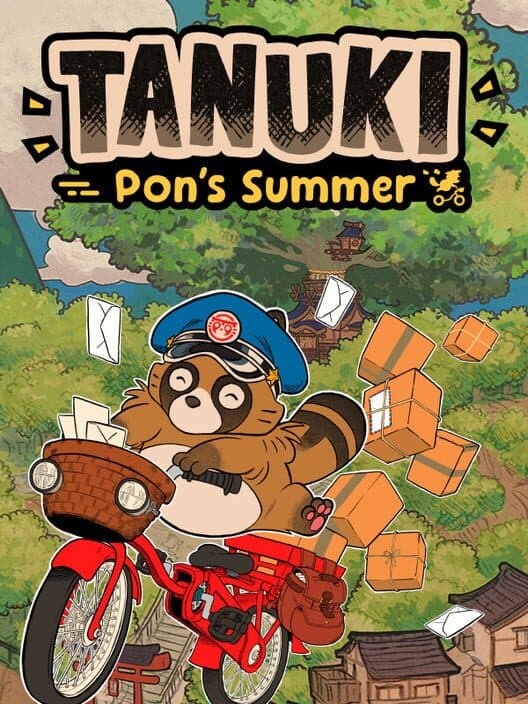
Tanuki: Pon's Summer cover art

Tanuki: Pon's Summer

Critical Reflex • 2026 • Xbox Series X|S, PC (Microsoft Windows)

Satisfying to completeRelaxing & low-pressurePerfect for a weekend

Is Tanuki: Pon's Summer Worth It?

Tanuki: Pon's Summer is worth it if you want a cheerful, finite game that turns short weeknight sessions into visible progress. The best part is the blend of cozy town life and playful bike movement: you are not just checking chores off a list, you are zipping across rooftops, meeting locals, and watching the shrine slowly come back to life before the festival. That gives the game a satisfying before-and-after arc that many endless sims never reach. What it asks from you is modest. You need to learn the bike controls, accept a tutorial-heavy opening, and be okay with light real-time movement instead of pure relaxation. If the current control and input quirks are smoothed out, this is an easy full-price pick for anyone who wants charm, motion, and clear closure. Wait for a sale or a patch if awkward controls quickly sour your mood. Skip it if you want deep building tools, high challenge, or a forever game.

What is Tanuki: Pon's Summer like?

Opinions of Tanuki: Pon's Summer

What Players Love

  • Players Love

    Warm summer charm and expressive characters land right away

    Players consistently point to Pon's personality, the bright town art, and the easygoing Japanese summer mood as the hook that makes the whole game inviting.

  • Players Love

    BMX movement stays fun even when your tricks get messy

    Preview coverage often praises the bike feel for being approachable. Clean runs feel great, but imperfect landings rarely kill the mood or stop progress.

Common Concerns

  • Common Concern

    Controller setup and rebinding still need more polish

    A common complaint centers on awkward default inputs, controller recognition issues, and limited rebinding, which can make early trick learning harder than it should be.

  • Common Concern

    Demo rough edges can blur menus and objectives

    Players report occasional performance dips, thin graphics options, and unclear prompts or menus. These issues are not universal, but they come up often enough to watch.

Divisive Aspects

  • Divisive

    The opening leans hard on tutorials and dialogue

    Some players enjoy the setup, but many say the first stretch pauses too often for explanations and cutscenes before the freer town-riding loop begins.

What does Tanuki: Pon's Summer demand from you?

Time

LOW

Time

Built around day-sized chunks and a clear festival endpoint, it fits weeknights well and gives steady progress without asking for a forever-game relationship.

LOW

This looks like a medium-size summer project rather than an endless hobby. The main arc appears to land somewhere around the high teens to mid twenties for most players, with more time available if you linger on side activities or decoration. The big advantage is structure. A typical session has a clean rhythm: grab jobs, roam town, help someone out, then return to the shrine and spend what you earned. That gives you natural stopping points and the satisfying feeling that even an hour moved something forward. The game also seems kind to real-life interruptions, since it is single-player and fully pausable. The one softer spot is saving. Current evidence points to auto-save support, but not clearly to full save-anywhere freedom, so quitting at a truly random second may be less elegant than the rest of the design. Even so, coming back after a few days should be easy because the goal is always visible: get the shrine ready before the festival.

Tips
  • End sessions at shrine
  • Resume by checking board
  • One day fits weeknights

Focus

LOW

Focus

You need eyes-on-screen while biking and making small route choices, but once the controls click it feels breezy, active, and rarely mentally exhausting.

LOW

Most of the time, this asks for light hands-on attention rather than deep thinking. You cannot really drift off while riding, because the bike wants your eyes on roads, ramps, rails, rooftops, and little shortcut opportunities. At the same time, it is not mentally heavy in the way a strategy game or dense role-playing game can be. The choices are small but steady: which packages to deliver first, whether to stay safe or chase a stylish line, whether to stop for a side activity, and what to spend on the shrine afterward. That is the trade. It asks you to stay present moment to moment, then pays you back with a smooth evening rhythm that feels active without becoming draining. The busiest part is likely the opening stretch, when tutorials, dialogue, and button prompts all arrive at once. Once the bike clicks, the overall feel seems more like breezy task-juggling than full concentration mode.

Tips
  • Use roads before rooftops
  • Chain nearby deliveries first
  • Ignore style lines early

Challenge

LOW

Challenge

The opening asks for a little patience with bike controls and tutorials, then quickly turns into a forgiving routine you can comfortably learn.

LOW

The learning curve seems real, but small. The first few sessions ask for patience while you learn how the bike handles, when trick inputs actually register, and how deliveries, side activities, and shrine upgrades fit together. That may be enough to trip up players expecting instant comfort, especially if the default controls still feel awkward on their platform. The good news is that the game does not appear to punish learning very harshly. Mistakes usually cost time or flair, not major progress, so you can improve by simply riding around and getting a feel for the town. That makes the early bump easier to tolerate. This is not a deep skating sim where mastery takes dozens of hours before the fun starts. It asks for a short adjustment period, then delivers a much friendlier groove where expression matters more than precision. If you can give it a couple of sessions, it should open up nicely.

Tips
  • Learn braking before tricks
  • Practice one shortcut route
  • Tweak controls if possible

Intensity

VERY LOW

Intensity

Warm, low-stakes, and cheerful, with only mild spikes from awkward inputs or missed tricks rather than fear, punishment, or heart-racing pressure.

VERY LOW

This looks calm first and foremost. The game has motion and a little timing, but very little fear, punishment, or emotional heat. Miss a jump, take an awkward corner, or bungle a trick, and you seem to lose smoothness, style, or a bit of time rather than a big chunk of progress. That matters, because it turns pressure into play. The game asks you to accept small imperfections, then rewards you with a warm summer mood that stays intact even when you are not performing perfectly. The biggest risk to the good vibes is not difficulty so much as friction. If the controls or tutorial pacing do not click with you, the first hour may feel more irritating than cozy. After that, everything points to a gentle, cheerful pace with clear goals and very little bad stress. This is the kind of game you play to feel lightly engaged and pleasantly busy, not wrung out.

Tips
  • Play for unwind time
  • Bank progress at shrine
  • Let messy tricks slide

Frequently Asked Questions

Tanuki: Pon's Summer looks easy overall, with a small early learning bump rather than a hard game all the way through. The main challenge is getting comfortable with the bike: braking, lining up jumps, and understanding trick inputs well enough that movement starts to feel natural. After that, the game seems much gentler than Celeste, Tony Hawk's Pro Skater, or anything combat-heavy. It is closer to Animal Crossing with a bit more hand skill. Hard to learn and hard to master are different here. It may take a few hours to feel smooth on the bike, especially if the control layout does not click right away, but the game does not seem built around punishing you for imperfect play. Messy landings and missed tricks usually cost style or time, not major progress. People who dislike real-time movement at all may still bounce off the controls. Everyone else should find it approachable on normal play, especially once the tutorial-heavy opening is behind them.

Plan on roughly 16 to 25 hours to see the main summer arc, and more like 25 to 35 if you linger on side activities, extra deliveries, and decoration choices. This does not look like a 100-hour lifestyle game. It looks like a medium-length seasonal project with a real endpoint: get the shrine ready for the festival and enjoy the payoff. Sessions seem to work best in 45 to 90 minute blocks because each in-game day has a natural rhythm of jobs, roaming, and shrine updates. That makes it much easier to fit into weeknights than an open-ended sandbox with no stopping point. The one catch is saving. Public info points to auto-save rather than full save-anywhere freedom, so it may not be ideal if you need to quit at random seconds. Even so, the structure appears kind to stop-and-start play. If you only have a few hours each week, you should still feel steady progress and likely wrap up the core experience over two to four weeks.

Low-stress overall. Tanuki: Pon's Summer seems built to feel cozy and active, not tense. You are moving in real time, so you do need to pay attention while biking, but the consequences of mistakes look light. Miss a trick or take a bad line, and you mostly lose smoothness, time, or style instead of suffering a harsh reset. That makes the pressure feel playful rather than punishing. The biggest source of bad stress is likely the opening hour, where tutorials, cutscenes, and control quirks may get in the way before the loop opens up. Once you are past that, the game looks very casual-friendly: full pause, clear daily goals, visible progress, and no social obligation to keep up with anyone else. It is the kind of game you can play after work when you want something cheerful with a little movement in it. If you are very sensitive to awkward controls, wait for patches or check platform-specific impressions. Otherwise, most players should find it relaxing more often than frustrating.

Yes. Tanuki: Pon's Summer is built as a solo game, and everything about its structure works better because of that. You are not waiting for friends to log in, matching with strangers, or keeping up with a live-service schedule. The rhythm is personal: pick deliveries, ride around town, help locals, and bring your earnings back to the shrine when it suits you. That is especially helpful if your playtime comes in scattered evening windows rather than long planned sessions. The social part lives inside the game world through NPC friendships and small town interactions, not through voice chat or co-op obligations. That means you still get a warm sense of community without real-world scheduling pressure. If you usually prefer company, this may feel a little private, since there is no sign of co-op chaos or shared building. But if you want something you can start, pause, and finish entirely on your own terms, this looks like an excellent fit.

No. Everything public around Tanuki: Pon's Summer points to a simple one-time purchase with no paid power, premium currency, battle pass, or competitive edge to buy. It is also a single-player game, which removes most of the usual pay-to-win pressure points right away. The core loop is earning money in-game through deliveries and spending those rewards on shrine restoration and related progress. That matters because the satisfaction is supposed to come from your own sessions and visible improvement, not from shortcuts sold back to you. Cosmetic add-ons could exist someday, but there is currently no sign that the game's systems are built to push you toward extra spending. For anyone who worries about modern monetization turning a cozy game into a chore, this looks refreshingly straightforward. Buy it once, play at your own pace, and stop when the summer arc feels complete.

You Might Also Like

Games with a similar rhythm and feel, even if they look different
Explore more→
Story of Seasons: Grand Bazaar game cover art
Relaxing & low-pressureLighthearted & fun

Story of Seasons: Grand Bazaar

Time
MODERATE
Focus
LOW
Challenge
LOW
Intensity
VERY LOW
Discounty game cover art
Satisfying to completeRelaxing & low-pressure

Discounty

Time
MODERATE
Focus
MODERATE
Challenge
LOW
Intensity
LOW
Spiritfarer game cover art
Satisfying to completeRelaxing & low-pressure

Spiritfarer

Time
MODERATE
Focus
LOW
Challenge
LOW
Intensity
VERY LOW
Stray game cover art
Satisfying to completeRelaxing & low-pressure

Stray

Time
VERY LOW
Focus
LOW
Challenge
LOW
Intensity
LOW
Thank Goodness You're Here! game cover art
Satisfying to completeRelaxing & low-pressure

Thank Goodness You're Here!

Time
VERY LOW
Focus
LOW
Challenge
VERY LOW
Intensity
VERY LOW
There Are No Ghosts at the Grand game cover art
Satisfying to completePerfect for a weekend

There Are No Ghosts at the Grand

Time
LOW
Focus
MODERATE
Challenge
LOW
Intensity
LOW
← Back to Home