PQube • 2025 • PlayStation 4, PC (Microsoft Windows), PlayStation 5, Xbox One, Nintendo Switch, Xbox Series X|S
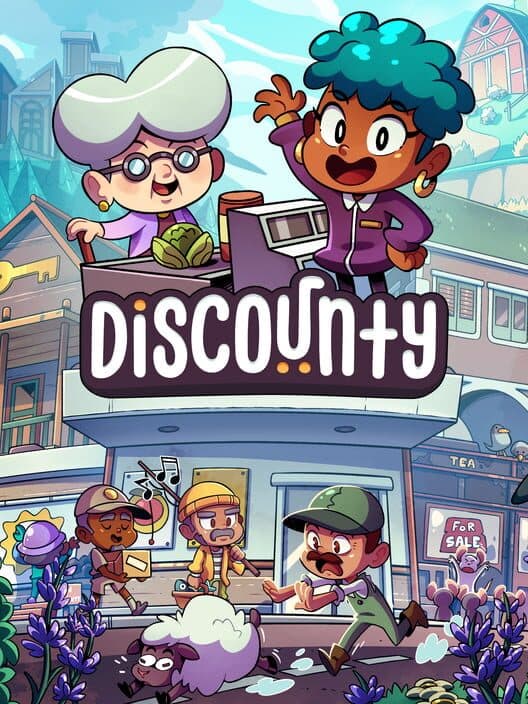
Yes, Discounty is worth it if a short, cozy-but-not-too-sweet management game sounds appealing. Its best feature is the daily store loop: stocking shelves, ringing up customers, tweaking layout, and squeezing out one more productive day is genuinely hard to stop. The town also has a distinct grime-coated charm, with good music and enough story to make the work feel like part of a bigger arc. What it asks from you is light multitasking and a tolerance for a little roughness. The story and mystery do not land as cleanly as the premise suggests, and the sleep-only save system can be annoying if your playtime gets cut short. Buy at full price if you mainly want satisfying shopkeeping with personality and a clear ending. Wait for a sale if you're here mostly for the mystery or expect a huge sandbox. Skip it if you want combat, romance, or an endlessly cozy life sim.

PQube • 2025 • PlayStation 4, PC (Microsoft Windows), PlayStation 5, Xbox One, Nintendo Switch, Xbox Series X|S
Yes, Discounty is worth it if a short, cozy-but-not-too-sweet management game sounds appealing. Its best feature is the daily store loop: stocking shelves, ringing up customers, tweaking layout, and squeezing out one more productive day is genuinely hard to stop. The town also has a distinct grime-coated charm, with good music and enough story to make the work feel like part of a bigger arc. What it asks from you is light multitasking and a tolerance for a little roughness. The story and mystery do not land as cleanly as the premise suggests, and the sleep-only save system can be annoying if your playtime gets cut short. Buy at full price if you mainly want satisfying shopkeeping with personality and a clear ending. Wait for a sale if you're here mostly for the mystery or expect a huge sandbox. Skip it if you want combat, romance, or an endlessly cozy life sim.
Stocking shelves, working the register, and squeezing out one more profitable day create a loop that keeps players saying they'll stop after tomorrow, then play again.
Many players say the game sets up strong hooks, characters, and mysteries but resolves them too quickly, leaving the ending and bigger picture feeling lighter than promised.
Some players love that Blomkest feels cynical, adult, and a little uncomfortable. Others wanted a warmer, more open-ended escape and bounce off the sharper tone.
Players often praise the grime-coated pixel art, chill soundtrack, and oddball town mood. Even mixed reviews regularly admit the place has a memorable pull.
Launch feedback and later reviews mention quest bugs, odd dialogue order, scanner frustrations, and AI hiccups. Patches improved a lot, but rough edges still shape discussion.
Stocking shelves, working the register, and squeezing out one more profitable day create a loop that keeps players saying they'll stop after tomorrow, then play again.
Players often praise the grime-coated pixel art, chill soundtrack, and oddball town mood. Even mixed reviews regularly admit the place has a memorable pull.
Many players say the game sets up strong hooks, characters, and mysteries but resolves them too quickly, leaving the ending and bigger picture feeling lighter than promised.
Launch feedback and later reviews mention quest bugs, odd dialogue order, scanner frustrations, and AI hiccups. Patches improved a lot, but rough edges still shape discussion.
Some players love that Blomkest feels cynical, adult, and a little uncomfortable. Others wanted a warmer, more open-ended escape and bounce off the sharper tone.
This is a tidy 15 to 20 hour arc built from short in-game days, great stopping points, and one big catch: progress usually locks in only at bedtime.
Discounty fits nicely into a normal week because its campaign is finite and its days are short. Most people will feel done in about 15 to 20 hours, maybe closer to 20 to 30 if they keep playing for upgrades and post-credits cleanup. One day usually gives you a full little arc: prepare the store, open up, handle the rush, close, then decide whether to sleep or wander town a bit longer. That structure is great for weeknights because it creates clean stopping points every 20 minutes or so. It also helps when returning after a break, since the PDA and the simple core loop quickly remind you what matters. The biggest catch is saving. You can pause at any time, but your progress is usually not locked in until bedtime, so starting a new day is a small commitment. There are no multiplayer obligations, no schedules to keep, and no pressure to stay current with other players. It asks for modest regular attention, then delivers a complete, tidy story-management arc instead of a forever hobby.
Most nights feel like steady plate-spinning, with shelves, queues, and stock flow to watch. It leans on planning and multitasking far more than twitch skill.
Discounty asks for the kind of attention you'd use while cooking dinner and keeping an eye on the oven. A normal day has you checking shelf gaps, watching customer patience, deciding when to stay on the register, and choosing what can wait until after closing. That means you usually need your eyes on the screen during store hours, but not in the white-knuckle way of an action game. The thinking is mostly practical: plan tomorrow's order, fix a bad aisle layout, spot which products keep selling out, and keep the day from turning messy. Fast reactions help a little when a line forms, yet the real skill is staying organized while several small problems compete for attention. The nice tradeoff is that the game rarely overloads you with huge systems or dozens of menus at once. It asks for mild multitasking and rewards tidy thinking with a satisfying sense of control. If you like light management that keeps your brain engaged without frying it, this lands in a very comfortable middle zone.
You'll grasp the basics quickly, then spend a few evenings smoothing out scanner habits, stock flow, and town quests rather than climbing a brutal skill wall.
Discounty is friendly to learn, with just enough roughness to keep it from being effortless. You'll understand the basic fantasy quickly: order stock, fill shelves, serve customers, expand the shop, and talk to townspeople after hours. The next few sessions are about smoothing out the details. You learn which products move fastest, where the register flow gets clumsy, how trade deals feed expansion, and which objectives are worth pushing first. The game mostly teaches through doing, though a few systems and quest steps can feel lightly underexplained, especially early on. The good news is that mistakes are usually cheap. You can have an inefficient day, recover tomorrow, and keep moving forward without a brutal reset. That makes the learning process inviting even when the UI or quest logic gets a little awkward. It asks for curiosity and a bit of patience, then pays you back with a satisfying rhythm once the shop starts running the way you planned.
Pressure comes in small retail rushes, not panic. Mistakes sting through messy days and missed sales, while the tone stays cozy with a sly bitter edge.
Most of Discounty's pressure feels like low-stakes retail stress. A line gets too long, a shelf empties at the wrong time, a customer gets impatient, and you feel a small spike of 'hold on, let me fix this.' That tension is real, but it rarely turns into panic. You are not dealing with combat deaths, brutal penalties, or constant fear of losing major progress because you made one bad call. Instead, bad days usually mean lower earnings, a sloppier shop, or the feeling that you could have run things better. The town's slightly bitter mood adds a touch of edge, which keeps the game from feeling sugary sweet, but it still sits much closer to cozy than stressful. This is good pressure when you're in the mood for a little task-juggling and visible improvement. The only recurring sour note is the end-of-day save setup, since quitting at the wrong time can feel more annoying than the actual gameplay ever does.
Games with a similar rhythm and feel, even if they look different