Spiritfarer

Thunder Lotus2020Google Stadia, PlayStation 4, Linux, PC (Microsoft Windows), Mac, Xbox One, Nintendo Switch
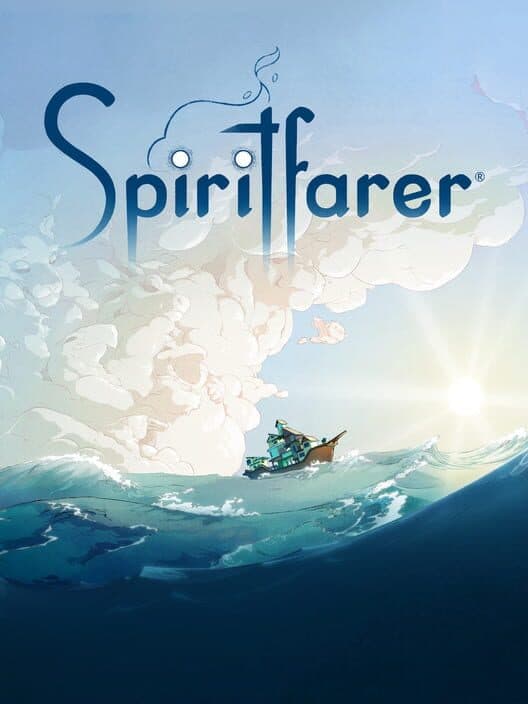
Cozy management wrapped in grief themes

20–30 hour, finite journey

Low-stress, no-combat exploration

Is Spiritfarer Worth It?

Spiritfarer is absolutely worth it if you enjoy cozy games and heartfelt stories more than mechanical challenge. It offers a warm, 20–30 hour journey about caring for others and learning to say goodbye, wrapped in beautiful hand-drawn art and gentle management gameplay. You’ll spend your time tending crops, cooking meals, rearranging your boat, and slowly understanding each spirit’s life and regrets. There’s no combat, no pressure to “play well,” and almost no punishment for mistakes, which makes it great for tired weeknights. In return, the game asks you to engage emotionally with themes of death, grief, and imperfect relationships. If you’re open to that, the farewells can be powerfully cathartic. If you mainly want high-stakes action, complex strategy, or endless post-game systems, you may find it too soft or finite and might prefer waiting for a sale. But for most story-focused, time-constrained adults, Spiritfarer at full price is a generous, memorable experience that respects both your time and your feelings.

When is Spiritfarer at its best?

When you have an hour or so after work and want something gentle but meaningful, letting you unwind with simple tasks and a touching story beat or two.

On a quiet weekend morning with coffee, when you’re in the mood to think about life a bit and enjoy beautiful art without worrying about combat or failure.

When you and a partner or child want a calm couch experience, where one person can drive while the other relaxes as Daffodil and you chat about the spirits’ stories.

What is Spiritfarer like?

Spiritfarer offers a clearly bounded experience that still feels substantial. Most adults will see the credits and the majority of spirit farewells in about 20–30 hours, spread over a few weeks of regular play. The structure is kind to real-life schedules: you can get meaningful progress in a 45–90 minute window, whether that’s finishing a building, advancing a spirit’s quest, or exploring a new island. Natural stopping points appear often—going to sleep, docking, or wrapping up a story scene—so you rarely feel trapped in a long mission. Autosaves and pause-anytime design make it easy to walk away when life interrupts, without worrying about teammates or timed objectives. Coming back after a gap is simple too, since the quest log and boat layout quickly remind you what was going on. There’s no need for long marathons or strict scheduling with others; local co-op is optional and doesn’t change the game’s demands. It’s a commitment, but one you can comfortably wrap around a busy adult life.

Tips

  • Aim for one clear goal per session, like completing a building or pushing a single spirit’s storyline, so shorter play windows still feel satisfying.
  • Use sleep or arriving at a new island as natural stopping points, especially if you’re squeezing in play before bed.
  • If you’ll be away for a while, leave your last session at the boat with open quest log visible, making it easier to remember your plans later.

Spiritfarer asks for a soft kind of attention. You’re rarely under time pressure, but you are juggling a few threads: who needs feeding, which building to construct, where the boat should head next. Most of your decisions are made at your own pace on the map, in menus, or while standing on deck, not in twitchy action moments. That makes it easy to pause, think, and move on when you’re ready. You can comfortably talk to someone, half-watch a show, or deal with minor real-life distractions during sailing and basic chores. Only short bursts of platforming or resource events really need you looking at the screen. If you’re exhausted, it’s forgiving enough to play while a bit spaced out, though you’ll get more out of it when you can follow the conversations and emotional beats. Overall, it leans toward calm planning and light tracking, not heavy mental work.

Tips

  • At the start of each session, scan your spirit requests and pick one or two to focus on so your attention isn’t scattered.
  • Use sailing time for low-focus chores like fishing or cooking, saving new islands and story scenes for when you can concentrate.
  • If you feel overwhelmed by errands, pause and reorder your boat buildings so important stations sit close together for easier mental tracking.

Spiritfarer is very welcoming to players who don’t want to climb a steep skill ladder. Within the first hour or two, you’ll understand the basics of steering the boat, tending crops, cooking, and talking to your passengers. As you keep playing, more building types, upgrade paths, and resource conversions appear, but each one is straightforward on its own. There are no complex builds, tight combat mechanics, or punishing puzzles to master. Improving mostly means you plan your routes a bit better, remember which recipes certain spirits like, and hit more timing windows in small mini-games. The payoff is smoother days and less backtracking, not access to high-end challenges. For many busy adults, that’s a blessing: you don’t lose progress for being rusty, and you never feel forced to “practice” just to enjoy the story. If you’re looking for a game where deep mechanical mastery is the main draw, this probably won’t scratch that itch.

Tips

  • Don’t worry about playing perfectly; treat early hours as a relaxed tutorial where mistakes simply slow you down slightly instead of locking you out.
  • Focus on learning a few favorite recipes and efficient routes rather than trying to memorize every possible combination or island.
  • If timing mini-games frustrate you, treat them as bonus resource chances, not requirements—you can progress comfortably without nailing them.

On the surface, Spiritfarer is one of the least stressful games you can pick up. There’s no combat, no game over screen, and no punishment beyond losing a little time if you miss some event resources. It rarely spikes your heart rate or floods you with adrenaline. Where the intensity comes in is emotional rather than mechanical. The game talks openly about illness, regret, strained relationships, and death. Many players find the Everdoor farewells genuinely moving, sometimes tearful. Most of the hours between those moments are peaceful: watering plants, chatting with spirits, watching beautiful sunsets from the deck. That ebb and flow creates a gentle rhythm of calm routine punctuated by heavier story beats. If you’re in a fragile mood, certain arcs may hit hard, but they never feel cruel or shocking for its own sake. It’s more like a quiet, sad film than a horror movie or sweaty action game.

Tips

  • If you’re sensitive to heavy topics, space out Everdoor farewells and mix them with lighter chores to keep your emotional load manageable.
  • Play on nights when you feel up for reflection, not when you’re already overwhelmed or close to burnout from real-life stress.
  • Consider reading content descriptions for specific spirits beforehand if you want to avoid certain themes like illness or emotional abuse.

Frequently Asked Questions