Annapurna Interactive • 2022 • Xbox Series X|S, PlayStation 4, PC (Microsoft Windows), PlayStation 5, Mac, Xbox One, Nintendo Switch
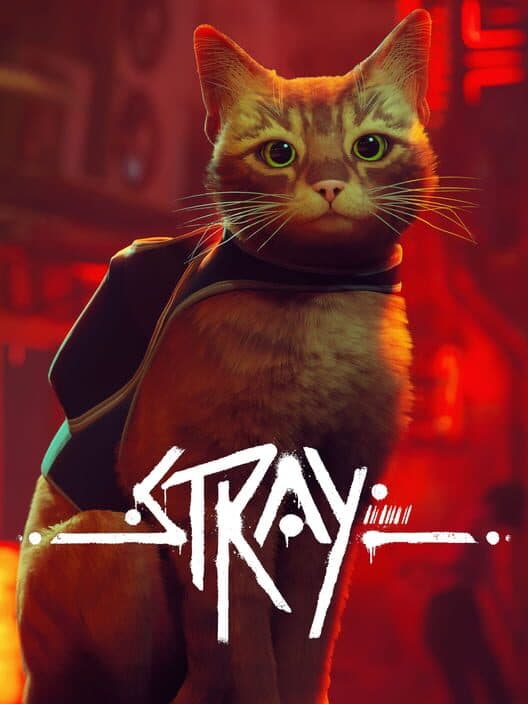
Atmospheric cyberpunk cat adventure
Short, complete story in few evenings
Relaxed exploration with light tension
Stray is worth it if you love strong atmosphere, cats, or compact sci-fi stories and don’t need dozens of hours from every purchase. You play as a small orange cat exploring a neon-soaked robot city, solving light puzzles, sneaking past a few dangers, and slowly uncovering what happened to the humans. The game asks for basic attention and tolerance for a couple of chase or stealth sequences, but it never expects deep mechanical skill or long grinds. In return, it delivers memorable locations, lovely animation, and a surprisingly touching ending, all wrapped up in a five-to-eight-hour package. If you judge value mostly by “hours per dollar,” you might want to wait for a sale because it really is a one-and-done experience. If you’re happy paying for a short, focused adventure that respects your time and feels different from most action games, Stray is absolutely worth playing.

Annapurna Interactive • 2022 • Xbox Series X|S, PlayStation 4, PC (Microsoft Windows), PlayStation 5, Mac, Xbox One, Nintendo Switch
Atmospheric cyberpunk cat adventure
Short, complete story in few evenings
Relaxed exploration with light tension
Stray is worth it if you love strong atmosphere, cats, or compact sci-fi stories and don’t need dozens of hours from every purchase. You play as a small orange cat exploring a neon-soaked robot city, solving light puzzles, sneaking past a few dangers, and slowly uncovering what happened to the humans. The game asks for basic attention and tolerance for a couple of chase or stealth sequences, but it never expects deep mechanical skill or long grinds. In return, it delivers memorable locations, lovely animation, and a surprisingly touching ending, all wrapped up in a five-to-eight-hour package. If you judge value mostly by “hours per dollar,” you might want to wait for a sale because it really is a one-and-done experience. If you’re happy paying for a short, focused adventure that respects your time and feels different from most action games, Stray is absolutely worth playing.
When you’ve had a long workday and want a gentle, visually rich game you can enjoy for an hour without memorizing systems or stressing over combat.
Ideal as a weekend palate cleanser between big, grind-heavy titles, when you still crave something polished and emotional but don’t want a new long-term hobby.
Great when you’re sharing the TV with a partner or family; they can simply watch the cat explore and comment while you handle the light puzzles.
A short, tightly paced adventure you can comfortably finish over a few evenings, with frequent stopping points and no pressure to keep playing after the credits.
Stray respects both your time and your schedule. The main story usually takes around five to eight hours, which fits nicely into two to five evenings of play for a busy adult. Areas are structured into clear chapters and compact hubs, so it’s easy to stop after finishing a small objective chain or reaching a new district. The game autosaves frequently at checkpoints, and you can pause at any moment, so real-life interruptions are rarely a problem, even during the few tense sections. Because there are no complex builds or overlapping quest lines, coming back after a week away is simple: a short hint from your drone companion and a look around the environment usually tell you what to do next. There’s no pressure to grind, no daily login rewards, and no multiplayer schedule to coordinate. You can treat Stray like a limited series: enjoy it over a handful of nights, see the credits, and walk away feeling complete.
Most of your time is spent calmly exploring, noticing visual hints, and solving simple puzzles, with only brief stretches that ask for quick reactions or full attention.
Playing Stray rarely feels mentally draining. Most of the time you’re padding through narrow alleys, checking ledges, and noticing small visual hints that show where to jump or what to interact with. The puzzles are simple and environmental, like moving a cart, plugging in batteries, or finding a code written on a wall. You’re paying attention, but you’re not wrestling with long combo lists or complex menus. Short chase and stealth moments do ask you to watch patrol paths or react to danger, yet they come in quick bursts and reset instantly if you slip. Large stretches happen in completely safe hubs where you can put the controller down or look away for a few seconds without any danger. That makes the game a good fit for evenings when your brain is a bit tired: you stay engaged through curiosity and atmosphere rather than raw effort. If you like gently noticing details instead of constant action, this will feel just right.
You’ll pick up the controls quickly and hit your skill ceiling fast; this journey is about mood and story, not deep mechanical mastery.
Stray is designed to be approachable from the moment you pick up the controller. The move set is small and clear: walk, run, meow, interact, and hop to highlighted ledges. The game teaches these actions in the first hour and then mostly asks you to reuse them in new locations rather than learn deeper systems. There are no skill trees, combo lists, or difficult timing windows to memorize. Getting better mainly means feeling smoother during chases and a bit more confident reading environmental clues. Once you’ve adjusted to the contextual jumping and the feel of the camera, you’ve seen almost everything the controls can do. There are trophies for speedrunning and grabbing every collectible, but those are optional side goals for enthusiasts, not the core experience. If you enjoy games where long practice unlocks new layers of play, Stray will feel shallow. If you’d rather relax with something you can master quickly, it’s an excellent fit.
Overall it feels mellow and reflective, with a few chase and stealth moments that briefly spike tension without punishing you harshly for mistakes.
Stray sits on the calmer side of the spectrum. Much of your journey is spent wandering quiet streets, listening to soft music, and chatting with friendly robots. These parts feel cozy and a little melancholic rather than thrilling. The spikes come from a few chase sequences with the Zurks and some late-game stealth sections where being caught kicks you back to a recent checkpoint. Those moments can raise your heart rate for a minute or two, especially if you dislike being chased, but they’re short and very forgiving. There are no long boss fights, no enormous difficulty spikes, and no systems that punish failure with big losses. Emotionally, the story has a couple of sad or bittersweet scenes, yet it never turns into relentless misery or horror. Overall, it works well as an evening wind-down game with brief, manageable bursts of tension, more about gentle suspense and empathy than white-knuckle stress.
Games with a similar rhythm and feel, even if they look different