hello@slated.gg
Powered by IGDB•Privacy•Terms

© 2026 Slated.gg

Slated.gg
Popular GamesAboutDiscover Games
There Are No Ghosts at the Grand

Friday Sundae • 2026 • Xbox Series X|S, PC (Microsoft Windows)
Satisfying to completeEasy to jump intoPerfect for a weekend
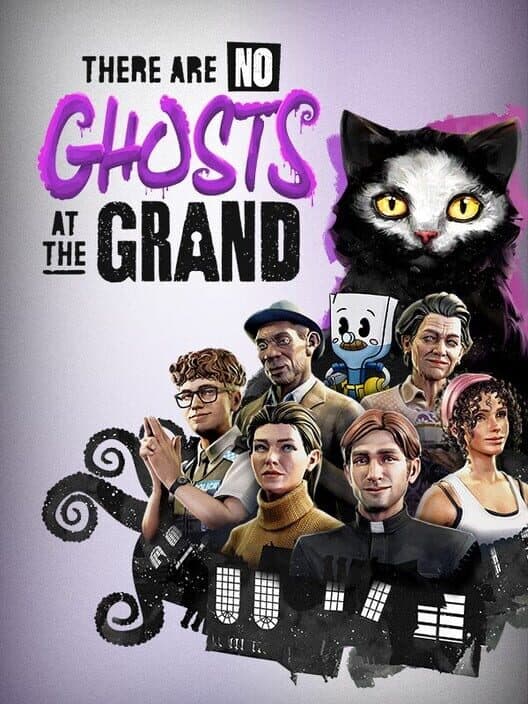
There Are No Ghosts at the Grand cover art

There Are No Ghosts at the Grand

Friday Sundae • 2026 • Xbox Series X|S, PC (Microsoft Windows)

Satisfying to completeEasy to jump intoPerfect for a weekend

Is There Are No Ghosts at the Grand Worth It?

Yes, There Are No Ghosts at the Grand looks worth it if you want a short, memorable story game with personality and you do not need deep combat or hardcore horror. Its big draw is the mix: one moment you are fixing up a worn seaside hotel, then the next you are chasing clues, picking lines in musical scenes, or fending off ghosts with talking tools. That variety gives the game a lot of payoff per hour, especially if you like oddball writing and games that feel different from everything else in your library. What it asks from you is flexibility more than skill. The loop keeps shifting tone, and the auto-save setup may be less tidy than ideal for stop-and-start play. At full price, it makes the most sense for players who value charm, mood, and novelty over mechanical depth. If launch performance is shaky or you want a pure cozy renovator or pure horror game, wait for a sale or use Game Pass. Skip it if you dislike musicals or constant genre blending.

What is There Are No Ghosts at the Grand like?

Opinions of There Are No Ghosts at the Grand

What Players Love

  • Players Love

    The strange mix of ideas feels surprisingly cohesive

    Players keep saying the blend of hotel repair, songs, mystery, and ghost trouble feels fresh and memorable, not like four unrelated games stitched together.

  • Players Love

    Music, voice work, and oddball characters steal scenes

    Songs, line delivery, and companions like the cat and talking tools give the game real personality, turning even simple tasks into moments people remember.

Common Concerns

  • Common Concern

    Demo stutter, crashes, and frame drops worried players

    The biggest complaint was technical. Users reported frame drops, stuttering, and some crashes, with issues showing up even on stronger PCs during the demo.

  • Common Concern

    Motion comfort options may matter more than expected

    Several players mentioned motion sickness during movement or boat travel and asked for wider comfort settings like FoV, blur, sway, and camera tweaks.

Divisive Aspects

  • Divisive

    Some want tougher puzzles and deeper renovation systems

    One camp likes the fast, forgiving flow. Another wants less hand-holding, more demanding room work, and puzzles that take longer to solve.

What does There Are No Ghosts at the Grand demand from you?

Time

LOW

Time

This looks like a compact 10-hour story you can play in clean chunks, though auto-saves may make end-of-session quitting less tidy.

LOW

This is the kind of game you can probably finish in a weekend or two, not a long seasonal commitment. One full story run looks to land around 8 to 12 hours for most players, with a bit more time if you chase extra restoration work, side errands, and alternate outcomes. The structure sounds kind to busy schedules because the game naturally breaks into day-night beats, room tasks, and short narrative arcs. That means a 60 to 90 minute session should usually feel productive. Full pause also helps when life interrupts you mid-scene or mid-fight. The main time-management catch is the save setup. Current evidence points to auto-saves rather than free manual saves, which can make stopping for the night a little less exact than ideal. Re-entry after a break should be manageable, though, because the world is small and the main goals appear clearly tracked. In return for a little save-system inconvenience, you get a compact story game that respects short sessions and does not demand social coordination.

Tips
  • Aim to stop after a restored room, finished errand, or completed night event, since those seem like the cleanest natural break points.
  • If you only have a short session, leave a minute to see where the last auto-save landed before quitting for the night.
  • For a first run, prioritize the main mystery over perfect restoration; that is the fastest path to seeing what makes the game special.

Focus

MODERATE

Focus

Most of the time you're cleaning, exploring, and following clues at a relaxed pace, then night sections ask for sharper eyes and quicker reactions.

MODERATE

This game asks for steady attention, not total lock-in. A typical session sounds split between relaxed hotel work and more alert nighttime scenes. During the day, you are vacuuming debris, repainting rooms, placing furniture, talking to townsfolk, and following clues. Those tasks look easy to read and usually guided well, so the thinking comes from small priorities like which room to finish, which lead to chase, or whether to spend time on a side discovery. Then night flips the mood. The same tools become weapons, spaces feel less safe, and you need to track movement, aim, and environmental cues more carefully. That mix means you can enjoy it when a bit tired, but it is not a background game for half-watching television. It asks for light planning and a willingness to bounce between cozy chores, story scenes, and short bursts of action. In return, you get a compact adventure that feels varied from hour to hour without becoming mentally draining.

Tips
  • Use each daytime visit to finish one room or clue trail before wandering, so the genre hopping feels lively instead of scattered.
  • After a week away, check your current objective and take a quick walk through the hotel before starting a night section.
  • Lower camera sensitivity a touch if ghost fights feel messy; the combat seems built for comfort, not high-speed precision.

Challenge

LOW

Challenge

You'll learn the basics quickly, but the game keeps things fresh by mixing renovation, songs, clues, and short combat instead of drilling one skill.

LOW

Getting comfortable here should be fairly quick. Previews consistently describe the renovation tools as easy to use, the combat as accessible, and the puzzle side as light enough that it will not block most players for long. The interesting part is not deep mastery. It is adaptation. One hour may ask you to tidy a room, the next to follow a clue, then answer in a musical exchange, then survive a short ghost encounter. That can feel busier at first than a more single-minded adventure, but each individual piece seems welcoming. The game appears to reward curiosity and flexibility much more than exact execution. You are not being asked to memorize long boss patterns, master tough combos, or solve brutal logic walls. In return for that lower barrier, you get a breezy flow where new ideas keep arriving without demanding huge practice time. Players who want heavy resistance may find it too gentle, but players who enjoy variety without a steep learning wall should settle in fast.

Tips
  • Treat the first couple of nights as tool practice, because the game seems designed to teach combat through short encounters instead of long punishment.
  • Do not overthink perfect efficiency in the 30-day structure; finishing key story beats matters more than squeezing every task into one run.
  • If you usually bounce off puzzles, lean on the clearer objective markers first and save optional exploring for when you feel settled.

Intensity

LOW

Intensity

It swings between cozy cleanup and mild ghostly pressure, giving you spooky moments without living in dread or punishing you for every mistake.

LOW

This looks more gently spooky than truly stressful. The hotel setting, ghost attacks, and nighttime chases should create real unease, but the game also seems eager to keep that pressure from taking over. Songs, eccentric characters, talking tools, and playful humor regularly cut through the darkness, so the overall feel is less survival horror and more haunted charm. That matters for weeknight play. You are likely to get small jolts of tension rather than long stretches of dread or repeated failure. The 30-day framing may add a little soft pressure because time appears meaningful, but current evidence suggests the game stays generous and readable instead of turning that structure into a punishing clock. In return for accepting a few eerie mood swings, you get a stronger sense of surprise and atmosphere than a pure cozy renovator could deliver. If you like Halloween energy but dislike games that leave you wrung out, this balance may be one of its biggest strengths.

Tips
  • Play when you want light spooky energy, not full comfort food; the night scenes land better when you're alert but not already drained.
  • If a chase or puzzle breaks the mood, use the game's generous guidance and skip options rather than grinding against frustration.
  • Treat the day-night shift as part of the fun; expecting the mood swing makes the scary moments feel playful instead of exhausting.

Frequently Asked Questions

No, it does not look especially hard. Think easier than Resident Evil and a little lighter than Uncharted on normal, with challenge coming more from genre switching than from brutal fights or strict timing. The daytime hotel work seems very forgiving, and previews repeatedly describe the tools as fun first, fiddly second. Night sections add aiming, movement, and mild chase pressure, but they do not appear built around razor-sharp reflexes. The bigger adjustment is learning what each part of the game wants from you: cleanup, clue hunting, musical choices, light puzzles, and short combat all share space. That can feel busier at first than a single-purpose adventure. The good news is that the game seems eager to keep you moving. Puzzle skipping has been confirmed, guidance appears strong, and failure does not look heavily punishing. Most players should feel comfortable within the first couple of hours. If you want punishing combat or complex brain-burner puzzles, this may feel too gentle. If you usually avoid horror because of stress, this looks like a friendly entry point.

Most players should reach the ending in about 8 to 12 hours, with 12 to 16 hours being a reasonable range if you chase side tasks, explore more of town, and spend extra time on optional restoration. That makes it a compact project rather than a giant commitment. The structure also seems friendly to weeknight play. A session can end after a room is restored, a story beat lands, or a day-night chunk wraps up, so 60 to 90 minutes should feel productive. Full pause helps if life interrupts you in the middle of play. The main caution is the save system. Current evidence points to auto-saves rather than free manual saves, so quitting exactly when you want may not always be perfect. Coming back after a week should still be manageable because the campaign is short and the main goals seem clearly tracked. Replay runs could add a few more hours through alternate endings, different verse choices, hidden areas, and optional content skipped on your first pass.

It looks mildly stressful, not exhausting. Most of the time the game seems to sit in a sweet spot between cozy and spooky, where you get ghostly tension, eerie rooms, and short chases without the heavy dread of full survival horror. The good stress comes from the mood shift. A quiet cleanup job can turn into a strange night encounter, which keeps you alert and makes the hotel feel alive. The bad stress seems limited, at least from current evidence. Combat looks forgiving, puzzles can be skipped, and the game uses humor, music, and eccentric characters to release pressure before it becomes too much. If you enjoy Halloween energy but dislike being hunted for hours, this looks promising. If even light horror imagery or motion-heavy first-person movement bothers you, the night sections may still wear on you. It is probably best played when you want a little atmosphere and surprise, not when you want pure comfort or when you are already frazzled.

Yes. It is entirely built for solo play, and that is one of its strongest selling points for a busy schedule. There is no sign of co-op, online grouping, or any need to coordinate with friends. You can move through the hotel, town, songs, and story beats at your own pace and stop after a clean objective instead of waiting on a team. That also makes it easier to treat as a casual weeknight game. Most sessions should produce something concrete, like restoring a room, following a clue chain, or finishing a night encounter. Full pause helps with short interruptions, and the short overall campaign means you are not signing up for a giant long-term obligation. The one caveat is the save structure. Current information points to auto-saves, so ending a session may feel a little less tidy than in a save-anywhere adventure. Still, if you want a self-contained game you can enjoy alone without social pressure, this looks like a very good fit.

No. This appears to be a straightforward premium single-player game with no sign of paid power, competitive advantages, energy timers, or cash-shop shortcuts. You buy it once, or access it through Game Pass if that option is available in your region, and then play the same story and systems everyone else gets. That matters here because the appeal is a crafted mystery, not an endless grind designed to sell relief. There is also no competitive mode, so there is no space for someone else to buy a gameplay edge over you. Based on current store pages and preview coverage, the monetization model looks clean: one purchase, no battle pass, no gear packs that change balance, and no paid boosts to speed up hotel restoration or combat. As always, later add-ons could exist, but there is no evidence of that affecting the core experience. For now, this is firmly in the safe, non-exploitative camp.

You Might Also Like

Games with a similar rhythm and feel, even if they look different

Explore more→
Rune Factory: Guardians of Azuma game cover art
Satisfying to completeLighthearted & fun

Rune Factory: Guardians of Azuma

Time
MODERATE
Focus
MODERATE
Challenge
MODERATE
Intensity
LOW
Dave the Diver game cover art
Satisfying to completeLighthearted & fun

Dave the Diver

Time
MODERATE
Focus
MODERATE
Challenge
MODERATE
Intensity
LOW
Cult of the Lamb game cover art
Satisfying to completePerfect for a weekend

Cult of the Lamb

Time
MODERATE
Focus
MODERATE
Challenge
MODERATE
Intensity
MODERATE
Undertale game cover art
Satisfying to completePerfect for a weekend

Undertale

Time
LOW
Focus
MODERATE
Challenge
LOW
Intensity
MODERATE
Indiana Jones and the Great Circle game cover art
Satisfying to completeEasy to jump into

Indiana Jones and the Great Circle

Time
MODERATE
Focus
MODERATE
Challenge
LOW
Intensity
LOW
Stray game cover art
Satisfying to completePerfect for a weekend

Stray

Time
VERY LOW
Focus
LOW
Challenge
LOW
Intensity
LOW
← Back to Home