hello@slated.gg
Powered by IGDB•Privacy•Terms

© 2026 Slated.gg

Slated.gg
Popular GamesAboutDiscover Games
Story of Seasons: Grand Bazaar

Marvelous USA, Inc. • 2025 • Nintendo Switch 2, PC (Microsoft Windows), Nintendo Switch
Relaxing & low-pressureGreat for winding downLighthearted & fun
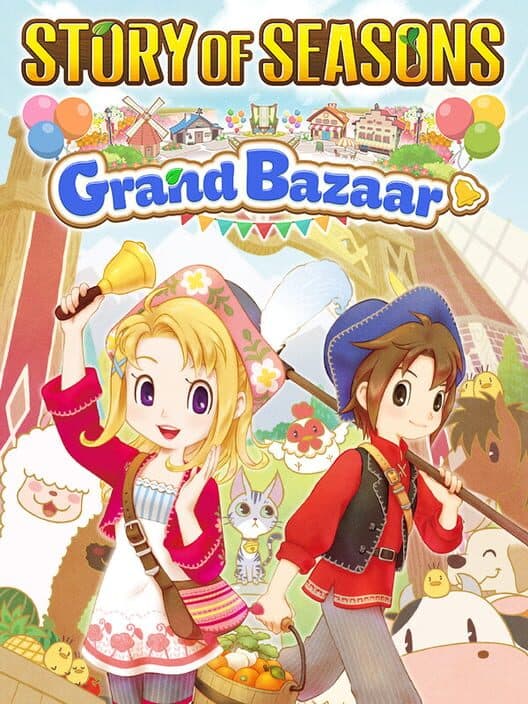
Story of Seasons: Grand Bazaar cover art

Story of Seasons: Grand Bazaar

Marvelous USA, Inc. • 2025 • Nintendo Switch 2, PC (Microsoft Windows), Nintendo Switch

Relaxing & low-pressureGreat for winding downLighthearted & fun

Is Story of Seasons: Grand Bazaar Worth It?

Yes, Story of Seasons: Grand Bazaar is worth it if you want a cozy routine with real structure and payoff. Its best idea is the weekly bazaar: weekday farming, ranching, cooking, and crafting all build toward Saturday market days, so your chores feel like preparation instead of busywork. Zephyr Town helps a lot too. The setting is warm, the presentation is charming, and the town-restoration arc gives the whole loop a clear reason to keep going. The catch is that this comfort comes with a few old-school rough edges. Storage clutter can get annoying, early stamina is tighter than the art style suggests, and home-only saving is less flexible than many modern life sims. If those issues usually bother you, waiting for a sale makes sense. If you enjoy light planning, medium-length goals, and a farm sim that turns routine into a satisfying weekly payoff, this is an easy full-price recommendation. Skip it if you mainly want total creative freedom, ultra-smooth convenience, or a game you can completely zone out through.

What is Story of Seasons: Grand Bazaar like?

Opinions of Story of Seasons: Grand Bazaar

What Players Love

  • Players Love

    Saturday bazaar days make the whole week feel worthwhile

    Players love how farming, ranching, and crafting all build toward a real selling event. That weekly payoff makes everyday chores feel purposeful instead of repetitive.

  • Players Love

    Zephyr Town’s warmth makes the world easy to love

    The setting, music, voice work, and friendly townsfolk give the game a strong sense of place. Many players stay attached even when a few systems feel dated.

Common Concerns

  • Common Concern

    Storage clutter turns item management into a constant hassle

    Limited space, split stacks by quality, and freshness rules create steady friction. Many players say hoarding is rewarded, but handling that hoard is tiring.

  • Common Concern

    Early hours feel stricter than the cozy tone suggests

    Weak starting stamina, slower conveniences, and home-only saving can make the opening feel more restrictive than expected before the main loop really opens up.

  • Common Concern

    Fishing feels fussier and less relaxing than everything else

    Fishing comes up again and again as the least cozy side activity. Players often call it slower, more finicky, and a worse fit for the game's easygoing rhythm.

Divisive Aspects

  • Divisive

    Romance choices charm, but the writing does not always

    Players enjoy picking favorites from the candidate pool, but reactions to the heart events are mixed. Some find them sweet, while others want more depth or spark.

What does Story of Seasons: Grand Bazaar demand from you?

Time

MODERATE

Time

It fits evening sessions well and offers clear stopping points, though home-only saving makes sudden mid-day quits clumsier than the warm tone suggests.

MODERATE

This is a medium-long cozy game that works best as a steady evening habit rather than a one-weekend binge. One in-game day, one round of errands, or a completed Saturday bazaar makes a clean stopping point, so it fits 45 to 90 minute sessions well. The structure is stronger than many farm sims because the calendar and weekly market give your playtime a clear shape instead of leaving everything up to self-made goals. The biggest scheduling catch is saving. You can pause anytime, which helps with short interruptions, but manual saves being tied to home makes sudden full quits less convenient than the genre's mood suggests. It also asks for a moderate long-term commitment if you want the full emotional payoff. Most players will feel they got the core experience somewhere around 40 to 60 hours, with a fuller run pushing past that. The good news is that there are no social obligations, no multiplayer schedules, and no ranked pressure. It asks for consistency more than huge sessions. In return, it gives you a strong weekly rhythm and the pleasure of watching a small town steadily come back to life.

Tips
  • Try to end sessions back at the farmhouse after saving, especially if you only have an hour and real-life interruptions are likely.
  • Keep a tiny note with your current stockpile, windmill jobs, and next bazaar target; returning after a week becomes almost painless.
  • Save Saturdays for slightly longer sessions when possible, since bazaar setup and both shifts feel best when you are not rushing out the door.

Focus

LOW

Focus

Most nights feel like light planning wrapped in cozy chores, with brief attention spikes when bazaar day arrives and every stocked item suddenly matters.

LOW

Grand Bazaar asks for gentle organization more than laser focus. On most days, you're keeping several small plans in your head at once: what needs watering, which animals still need attention, what should go into a windmill, who gets today's gift, and what needs to be ready for Saturday. None of that is mentally brutal, but it does mean the game rewards being present. You can relax with it, but you probably should not half-watch a show while playing. The nice trade is that all this light planning pays you back with a strong sense of purpose. Ordinary chores rarely feel empty because they connect to a market day, a request, or the next bazaar rank. Attention spikes a little during busier selling periods, fishing, or when you're squeezing one more errand out of a low stamina bar, but quick reflexes are rarely the point. It asks you to remember several modest goals at once and think a day or two ahead. In return, it delivers the cozy satisfaction of ending a session feeling productive, prepared, and one step closer to a better Saturday.

Tips
  • Check the calendar, requests, and bazaar info before leaving home so each day has one money goal and one social goal.
  • Use the glider and town shortcuts to chain errands together; fewer back-and-forth trips means more stamina left for farming or processing.
  • Set aside Saturday stock by midweek instead of selling everything immediately, especially higher-value processed goods and seasonal favorites.

Challenge

LOW

Challenge

You can learn the basics quickly, but feeling smooth takes longer because stamina, storage, trends, gifts, and windmills all pull on each other.

LOW

You can be functional fast. Planting crops, feeding animals, talking to townsfolk, and showing up for the bazaar are all easy to understand within the first few sessions. What takes longer is turning that basic understanding into a smooth rhythm. The game slowly reveals how freshness, item quality, request timing, processing queues, and seasonal demand all affect each other, and the opening hours do not hide that friction very well. The upside is that improvement feels natural rather than brutal. It asks for patience, note-taking, and a willingness to accept a few messy early weeks. In return, it delivers one of the nicest feelings cozy sims can offer: the moment your daily routine stops feeling scattered and starts feeling efficient. This is not a game that expects elite execution, and it is much kinder than anything built around combat or harsh failure. Still, it is a little fussier than the gentlest life sims, especially if you want to optimize your stall and friendships instead of simply coasting. Learning it is less about skill walls and more about building a comfortable routine.

Tips
  • Learn one dependable money loop first, like a favorite crop plus processed goods, before chasing every recipe, request, and collectible.
  • Prioritize storage upgrades and item organization early; cleaner inventory makes trends, freshness, and Saturday prep much easier to read.
  • Use resident info and simple notes for gift tastes so friendship progress stops feeling random and starts fitting naturally into your routes.

Intensity

VERY LOW

Intensity

This stays gentle almost all the time, trading danger for mild weekly pressure as you race the clock to turn chores into a good Saturday.

VERY LOW

This is calm first and stressful second. There are no fights, no jump scares, and almost no moments where failure feels catastrophic. Most of the pressure comes from softer sources: a low stamina bar, a cramped inventory, and the feeling that a wasted weekday can lead to a weaker market day. That creates a little buzz of urgency without turning the game into a nerve test. That balance is the point. It asks you to tolerate a bit of friction so the weekly payoff feels earned. Saturday selling has the strongest emotional lift because it converts a week of planting, feeding, cooking, and crafting into money, rank progress, and a visible sense that the town is improving. When the game feels bad, it is usually because the cozy mood clashes with old-school inconveniences like storage clutter or awkward saving. But even then, the cost of a mistake is usually lost time, not a ruined run. This is best when you want light stakes, gentle momentum, and a comforting loop with just enough pressure to keep it satisfying.

Tips
  • Cook recovery food early and treat stamina like a budget; the opening feels much gentler once you stop forcing every chore into one day.
  • If a bazaar day goes badly, use the sales report as planning info rather than a verdict; most mistakes cost time, not lasting damage.
  • Skip fishing on low-energy nights if it frustrates you; the game offers plenty of calmer ways to earn money and progress.

Frequently Asked Questions

Story of Seasons: Grand Bazaar is easy to survive but moderately demanding to optimize. It is not hard in the way an action game or punishing sim is hard. There is no combat, no brutal execution test, and very little that can truly wreck your progress. Most players will understand the basics quickly. What makes it trickier than the softest cozy games is the pileup of small pressures. Early stamina is limited, storage gets messy fast, and the weekly bazaar means bad planning can leave you underprepared for the one big selling day. That makes the opening feel stricter than Animal Crossing and a little fussier than the gentlest parts of Stardew Valley, though still much easier than Stardew once mines and combat enter the picture. So the right expectation is this: easy to play, mildly demanding to run well. If you like organizing routines and improving them over time, the challenge feels satisfying. If you want a totally effortless unwind with almost no friction, the early game may feel more stubborn than the cozy art style suggests.

Expect about 40 to 60 hours to reach the point where most players feel they have seen the core restoration arc and fully understood the bazaar loop. If you add romance, seasonal events, family goals, and extra optimization, a fuller run can stretch to 60 to 80 hours. Going far beyond that is possible, but that is bonus time, not required time. It plays nicely in 45 to 90 minute sessions because one in-game day or one round of errands makes a natural stop. Saturday bazaar days are the main exception. They are the emotional high point, so they feel best when you have a bit more time. You can pause whenever you need to, but manual saving at home means quitting suddenly in the middle of a day is less neat than it should be. If you only want the main appeal, this is a medium-length cozy game, not a forever commitment unless you choose to make it one.

Grand Bazaar is mostly calm, with a mild layer of weekly pressure rather than real stress. Most of the time, the mood is warm and cozy. You are watering crops, feeding animals, gliding around town, chatting with neighbors, and preparing goods for market. There is no violence, no horror, and no constant fear of losing everything. The pressure comes from smaller, everyday annoyances. Early stamina runs out quickly, storage can become cluttered, and Saturday selling means the clock matters more than it first seems. That creates what many people would call good stress: just enough urgency to make a successful bazaar day feel rewarding. The bad stress mainly comes from dated convenience issues, especially if you hate inventory friction or want to save anywhere. This is a great evening game when you want light momentum and a clear payoff. It is less ideal when you want to completely shut your brain off. Cozy is absolutely the main flavor here, but it is organized cozy, not empty-background cozy.

Yes, and it is clearly built to be played solo. There is no co-op mode, no multiplayer economy, no trading dependence, and no pressure to coordinate with anyone else's schedule. Every system, from farm work to town events to the bazaar, is designed around your own pace and routine. That also makes it fairly friendly for casual solo play. You can pause whenever you need to, sessions break nicely into days and weekly market cycles, and there are no social obligations hanging over your progress. The one caveat is saving: because manual saves are tied to home, sudden full quits in the middle of a day are less convenient than they should be. Coming back after a break is manageable thanks to the calendar, requests, and bazaar info, though you may need a few minutes to remember what you were stockpiling. If you want a game you can own entirely on your own terms, Grand Bazaar absolutely works. Its only real limit is convenience, not solo viability.

No, Story of Seasons: Grand Bazaar is not pay-to-win. It is a straightforward premium game built around a one-time purchase, and the available extras do not appear to sell gameplay power, faster progression, or better farm results. You are not expected to spend more money to keep up with the economy, romance systems, or town restoration goals. That matters in a game like this because the whole appeal is gradual progress. The fun comes from planning your week, preparing for Saturday, and watching Zephyr Town improve because of your own choices. If the game sold stamina boosts, rare crop shortcuts, or paid relationship skips, it would cut against the core design. Current store listings do not suggest any of that. The extra content attached to the game is more in the costume, presentation, and deluxe bonus lane, like outfits or digital extras. So if you are worried about hidden pressure, premium currencies, or systems built to frustrate you into paying, this is one of the cleaner cases: buy it once and play normally.

You Might Also Like

Games with a similar rhythm and feel, even if they look different

Explore more→
Discounty game cover art
Relaxing & low-pressureGreat for winding down

Discounty

Time
MODERATE
Focus
MODERATE
Challenge
LOW
Intensity
LOW
Stardew Valley game cover art
Relaxing & low-pressureLighthearted & fun

Stardew Valley

Time
MODERATE
Focus
LOW
Challenge
LOW
Intensity
VERY LOW
Travellers Rest game cover art
Relaxing & low-pressureGreat for winding down

Travellers Rest

Time
MODERATE
Focus
LOW
Challenge
MODERATE
Intensity
VERY LOW
Dinkum game cover art
Relaxing & low-pressureLighthearted & fun

Dinkum

Time
MODERATE
Focus
LOW
Challenge
LOW
Intensity
VERY LOW
Rune Factory: Guardians of Azuma game cover art
Relaxing & low-pressureGreat for winding down

Rune Factory: Guardians of Azuma

Time
MODERATE
Focus
MODERATE
Challenge
MODERATE
Intensity
LOW
My Time at Sandrock game cover art
Relaxing & low-pressureGreat for winding down

My Time at Sandrock

Time
HIGH
Focus
MODERATE
Challenge
MODERATE
Intensity
VERY LOW
← Back to Home