Perfect Random • 2026 • Xbox Series X|S, PlayStation 4, Nintendo Switch 2, PC (Microsoft Windows), PlayStation 5, Xbox One, Nintendo Switch
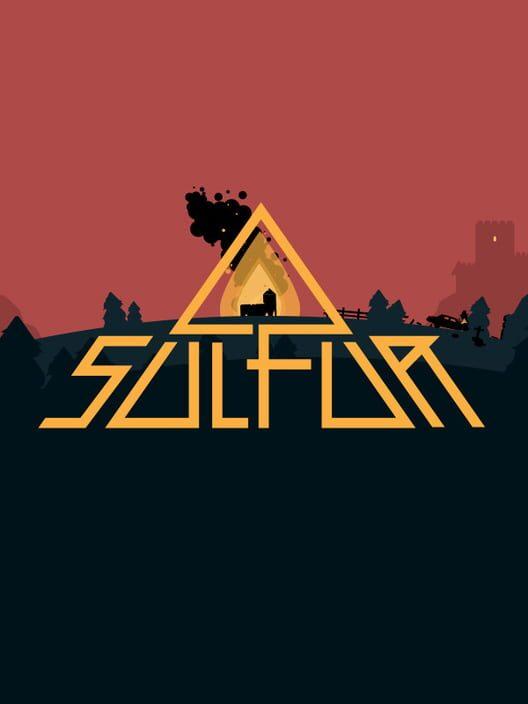
Sulfur
Perfect Random • 2026 • Xbox Series X|S, PlayStation 4, Nintendo Switch 2, PC (Microsoft Windows), PlayStation 5, Xbox One, Nintendo Switch
Is Sulfur Worth It?
Sulfur is worth it if you want tense first-person delves where smart survival matters as much as shooting. Its best hook is the mix of punchy gun feel, moody art, and the satisfying ritual of coming home with loot, improving a favorite weapon, and heading back out a little stronger. It asks for real attention, though. This is not a relaxed podcast game, and its rough onboarding, fiddly inventory, and sharp setbacks can frustrate players who want instant clarity or gentle failure. Buy at full price if you already love deliberate shooters, risky run-based games, and tuning your gear. Wait for a sale if the concept sounds interesting but you're unsure about repetition or you have little patience for messy menus and underexplained systems. Skip it if you mostly want a strong story, broad content variety, or a chill explore-at-your-own-pace adventure. For the right player, Sulfur turns careful risk, resource management, and weapon experimentation into an addictive one-more-run loop.
What is Sulfur like?
Opinions of Sulfur
What Players Love
- Players Love
Punchy weapons make each run feel sharp and personal
Players regularly praise how guns sound, hit, and handle, especially once upgrades and gear choices start shaping a favorite setup instead of a generic shooter loadout.
- Players Love
Stylized dark-fantasy atmosphere gives the world a memorable identity
The moody retro look stands out fast. Fans often say the art direction keeps even familiar delves feeling distinct, helping the game leave a stronger impression.
Common Concerns
- Common Concern
Inventory and tutorials can get in the way early
A common complaint is that item handling and explanations feel rough at first. That friction can slow the opening hours before the core loop really clicks.
- Common Concern
Setbacks can feel harsh when a strong run collapses
Many players like the danger, but others say losses sting harder than the game's early teaching supports, especially after spending time building momentum.
Divisive Aspects
- Divisive
Repeated delves reward mastery, but variety may thin out
Some players love tightening routes, refining builds, and getting cleaner runs. Others feel encounter or content variety runs out before the loop fully deepens.
What does Sulfur demand from you?
Time
LOWTime
It works in solo 45 to 90 minute chunks, especially if you stop at the hub, but checkpoint saving and system memory make long breaks less smooth.
Focus
HIGHFocus
Most runs need steady, screen-on attention: careful aiming, room-reading, and constant little judgment calls, but not lightning-fast arena reflexes either.
Challenge
MODERATEChallenge
Easy to move and shoot, harder to read what matters; the real learning is item value, enemy habits, and how much risk you can survive.
Intensity
HIGHIntensity
It feels tense more than flashy, with stress coming from lost progress, low supplies, and the gamble of going one room deeper.
Frequently Asked Questions
You Might Also Like
Games with a similar rhythm and feel, even if they look different