hello@slated.gg
Powered by IGDB•Privacy•Terms

© 2026 Slated.gg

Slated.gg
Popular GamesAboutDiscover Games
To Kill a God

Glitch Factory • 2026 • Linux, PC (Microsoft Windows)
Rewarding skill growth
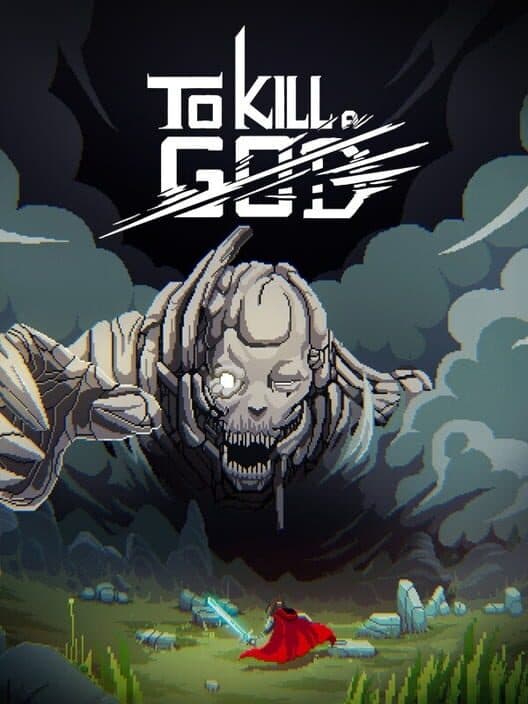
To Kill a God cover art

To Kill a God

Glitch Factory • 2026 • Linux, PC (Microsoft Windows)

Rewarding skill growth

Is To Kill a God Worth It?

Based on the current public build, To Kill a God is more of a strong wishlist game than a safe day-one buy. If you love tinkering with builds and do not mind some rough edges, its main idea looks excellent. The best part is how your route through the map also shapes your character, so each run feels like both combat and draft strategy at once. When a build clicks, the game seems to deliver the exact rush this kind of run-based action lives on: fast fights, huge power spikes, and the sense that your own choices made the run special. The problem is reliability. Bugs, lost-progress reports, messy menus, and weak onboarding are serious issues for anyone with limited time. Buy early only if you enjoy experimenting through friction and want to see a smart system grow. Wait for stability patches and cleaner explanation if you want a dependable weeknight game. Skip it if you dislike repeated runs, dark combat-heavy games, or learning systems through trial and error.

What is To Kill a God like?

Opinions of To Kill a God

What Players Love

  • Players Love

    The SkillMap makes build planning feel fresh and smart

    Players consistently highlight the map-as-skill-tree idea as the standout feature. Route choice and character growth feed each other in a way that feels genuinely new.

  • Players Love

    Runs feel great when your build suddenly comes alive

    Positive impressions often peak when synergies click and the run starts snowballing. That power spike turns ordinary arenas into fast, satisfying screen-clearing moments.

Common Concerns

  • Common Concern

    Bugs and lost progress make sessions hard to trust

    Crashes, item loss, chest issues, and odd death states come up often in current feedback. For players with limited time, that reliability problem is the biggest warning sign.

  • Common Concern

    UI explanations and controller support still feel rough

    Many players mention small text, unclear tooltips, confusing menus, and weak controller flow. Even fans of the core idea often want a much cleaner interface.

Divisive Aspects

  • Divisive

    Difficulty and pacing still seem to be in flux

    Some players enjoy the challenge, while others find the tuning awkward or inconsistent. Updates have changed the feel over time, so opinions remain split.

What does To Kill a God demand from you?

Time

LOW

Time

You can grasp the core loop in a handful of evenings, and the solo run structure fits busy schedules better than most endless hobby games.

LOW

The good news is that this does not seem to ask for months before it becomes worthwhile. Based on the current public build, many players should understand the core hook within 3 to 8 hours, and a handful of evenings is enough to see whether the route-planning buildcraft is for you. Sessions also have clean natural endpoints. A run can end at a boss, a death, or a campfire moment where it feels sensible to stop. That makes it much easier to fit into a week than a giant open-ended game. It is also fully solo, so there is no pressure to coordinate with other people. The catch is reliability. Saving appears to happen automatically rather than whenever you want, and community reports about crashes, lost items, and awkward quit handling make the current build harder to trust than its run structure suggests. Coming back after a week away should be doable, but expect a short refresher in menus before you feel fully back in rhythm.

Tips
  • Plan for 45 to 90 minutes. That is enough time for a meaningful run without leaving yourself stuck mid-session.
  • Quit at campfires, deaths, or boss attempts whenever possible. Those points fit the game's rhythm better than stopping in the middle of momentum.
  • After a week away, spend two minutes reading your skills and currencies before moving. That small refresh saves a lot of messy decision-making.

Focus

HIGH

Focus

This asks for full eyes and quick hands in fights, then shifts into short planning breaks where route choices and gear decisions really matter.

HIGH

To Kill a God asks for active attention most of the time. In combat, you need to track your character, watch screen edges for ranged threats, dodge projectiles, and keep damage flowing without drifting into bad positions. This is not the kind of game that pairs well with a second screen or half-listening while doing chores. The twist is that it also breaks that action up with real planning beats. Between arenas, you are checking gear, reading skill effects, and picking your next route through the map, so the game keeps switching from hand speed to short bursts of build thinking. That tradeoff is the appeal. You stay engaged because the next menu choice can matter almost as much as the next dodge. For a busy player, that means short sessions can feel rich and satisfying, but only if you are ready to give the game your full attention for an hour or so.

Tips
  • Treat menu time as part of the run. Spend a minute checking equipped skills and route options before entering the next arena.
  • If you return after a break, start with a safer path so you can relearn projectile patterns before risking a promising build.
  • Rebind dodge and core attacks early. Cleaner controls help more here than squeezing tiny efficiency gains from an unfinished build.

Challenge

MODERATE

Challenge

The main hurdle is not raw difficulty alone. It is learning the menu-heavy build system fast enough that your runs start making sense.

MODERATE

This looks medium-hard overall, with the bigger challenge coming from understanding the systems rather than surviving the first few fights. Moving, dodging, and attacking are readable enough, but the game seems to explain its deeper build logic unevenly. That means early hours are spent learning what currencies matter, how the map routing shapes your run, which skills actually work together, and when a tempting node is not worth the risk. Once that clicks, the combat should feel much better, and the skill ceiling still has room because different characters and synergies change how you approach each run. For most players, basic confidence will probably take several hours rather than one quick evening. It is less brutal than the most punishing action games, but rougher to learn than something like Hades because the current menus and tooltips do less to guide you. If you enjoy experimenting and learning by doing, that friction can feel rewarding. If you want immediate clarity, it may feel like work.

Tips
  • Pick one damage plan early and commit. Simple synergy beats a messy pile of interesting skills when you are still learning the systems.
  • Use early runs to learn what each node type does. Winning matters less than building a mental map of good and bad choices.
  • Do not judge the combat until the menus start making sense. Much of the early struggle comes from setup confusion, not just hand skill.

Intensity

HIGH

Intensity

The pressure comes in bursts: crowded fights and boss attempts can spike your pulse, but the game feels stressful rather than outright terrifying.

HIGH

The emotional tone is tense and dark, but not horror-game overwhelming. Most of the pressure comes from real-time combat and the knowledge that a promising run can fall apart fast if your build stalls or you misread a wave. Boss attempts and late-run fights should raise your pulse, especially when the screen gets crowded and you know a bad few seconds can undo good decisions from earlier in the run. The good version of that stress is exciting. When your setup finally clicks, the game gives that sharp roguelite rush where every new node feels like it might turn a good run into a great one. The bad version is frustration, and the current public build has more of that than it should because rough UI and reported bugs can make losses feel less fair. This is best for nights when you want focused action and some tension, not when you want something cozy or emotionally weightless.

Tips
  • End a session after a boss attempt or death. The clean reset helps you avoid turning normal roguelite tension into needless frustration.
  • Play this when you want sharp action, not when you are already tired. Screen clutter and run stakes punish low-energy play.
  • If a build feels weak halfway through, cut your losses and treat the run as a learning trip instead of forcing one more node.

Frequently Asked Questions

To Kill a God looks medium-hard, closer to Hades or Dead Cells than to a story-first action game, but harder to learn than either if the current UI remains unchanged. The combat itself seems demanding rather than impossible. You need to dodge well, watch for off-screen threats, and survive crowded fights, but the real challenge is understanding why a run is failing. Early on, menus, tooltips, currencies, and route choices can be harder to read than the enemies. That means it is not just hard to execute. It can also be hard to parse. For most players, basic comfort should take several hours, not several minutes. The skill ceiling will likely stretch much higher if you start chasing perfect builds or multiple characters, but that is extra, not the baseline. If you enjoy learning through experimentation, the challenge should feel rewarding. If you want a clean tutorial, obvious upgrades, and instant confidence, this may feel rough until the game gets more polish.

Based on the current public build, most players should see the core loop in 3 to 8 hours, with a first successful clear often landing in that range. If you want to test a few builds, try another character, or push beyond the first boss into extra modes, expect closer to 10 to 20 hours. This is not a giant months-long story commitment in its present form. It plays more like a run-based game you learn over several evenings. Individual sessions fit well into 45 to 90 minutes because runs have clear stopping points at campfires, deaths, and boss attempts. The warning is the save setup. Progress appears to save automatically inside a run, but current reports of crashes, lost items, and awkward quitting mean flexibility is only fair, not excellent. If the final release improves stability, this could be a very manageable weeknight game. Right now, it is best treated as a focused evening game rather than something you constantly start and stop every few minutes.

To Kill a God looks tense more than exhausting. It is not horror-game scary, but it does seem built around real combat pressure, crowded screens, and the sting of losing a promising run. The good stress is easy to imagine: you scrape through a wave, grab one more node, and suddenly your build starts shredding everything in sight. That kind of climb is exciting. The less pleasant stress comes from uncertainty. If tooltips are unclear or a bug eats progress, frustration can replace the usual roguelite thrill fast. So this is probably a bad pick for nights when you want to relax with low-stakes comfort play. It makes more sense when you want sharp action and are in the mood to learn a system. If you already enjoy games like Hades or Dead Cells, the pressure will likely feel familiar and mostly rewarding. If you dislike repeated failure, crowded visual effects, or losing momentum because the interface is rough, it may feel more draining than fun in the current build.

Yes. This is built as a solo game, and that is one of its biggest advantages for a busy schedule. There is no party management, no raid calendar, and no pressure to keep up with friends. You can sit down, do a run, and stop at a natural boundary without letting anyone else down. That said, solo-friendly does not automatically mean low-effort. The current build still asks for real focus during combat, and the menu-heavy build decisions mean you cannot fully switch your brain off. It is more play-on-your-own-terms than play-half-asleep. It is also only partly flexible with interruptions. You can pause through menus and progress appears to auto-save, but reports of crashes and rough quit handling make it less dependable than polished single-player games. If you mostly care about playing alone and learning at your own pace, it fits well. If you want something you can drop every few minutes without risk or confusion, wait for more stability and clearer interface work.

No, To Kill a God does not appear to be pay-to-win. Everything public points to a standard one-time purchase on PC, with the currently available demo acting as a free sample rather than a live-service economy. There is no sign of paid power, premium stat boosts, purchasable gear, or anything else that would let players buy their way past the challenge. That matters here because the whole appeal is building a run through routing, skill choices, and experimentation. Selling power would undercut the main idea, and there is no evidence the game is doing that. The bigger money question is not monetization. It is value at launch. Because the public build still has reports of bugs, lost progress, and rough onboarding, the real risk is paying for a game before its stability catches up to its concept. So if you are worried about cash-shop pressure, you can relax. If you are worried about buying too early, that concern is much more reasonable.

You Might Also Like

Games with a similar rhythm and feel, even if they look different
Explore more→
Path of Exile 2 game cover art
Rewarding skill growth

Path of Exile 2

Time
HIGH
Focus
HIGH
Challenge
HIGH
Intensity
HIGH
Wo Long 2: Wings of Ember game cover art
Rewarding skill growth

Wo Long 2: Wings of Ember

Time
MODERATE
Focus
HIGH
Challenge
MODERATE
Intensity
HIGH
Sifu game cover art

Sifu

Time
MODERATE
Focus
HIGH
Challenge
MODERATE
Intensity
HIGH
The Relic: First Guardian game cover art
Rewarding skill growth

The Relic: First Guardian

Time
MODERATE
Focus
HIGH
Challenge
MODERATE
Intensity
HIGH
Armatus game cover art

Armatus

Time
LOW
Focus
HIGH
Challenge
MODERATE
Intensity
HIGH
Dead Cells game cover art
Rewarding skill growth

Dead Cells

Time
LOW
Focus
HIGH
Challenge
HIGH
Intensity
HIGH
← Back to Home