hello@slated.gg
Powered by IGDB•Privacy•Terms

© 2026 Slated.gg

Slated.gg
Popular GamesAboutDiscover Games
Prison of Husks

Glass Head Dolls • 2027 • PC (Microsoft Windows), PlayStation 5, Mac
Rewarding skill growth
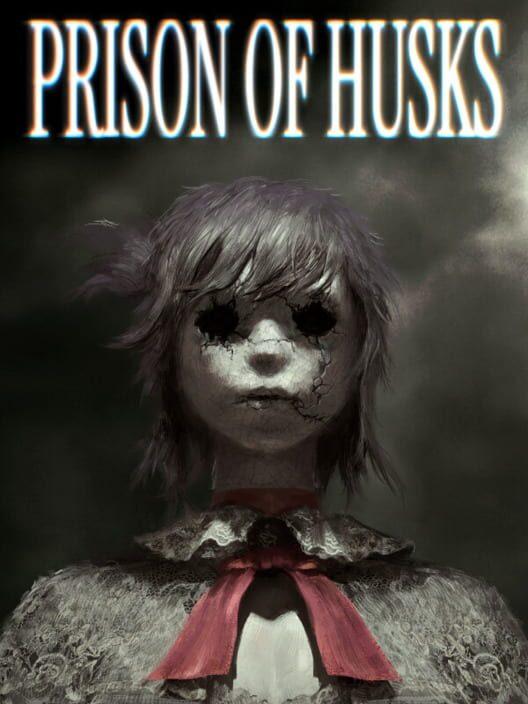
Prison of Husks cover art

Prison of Husks

Glass Head Dolls • 2027 • PC (Microsoft Windows), PlayStation 5, Mac

Rewarding skill growth

Is Prison of Husks Worth It?

Probably yes if you want a smaller, moodier action game built around parries, boss learning, and dense exploration, and probably no if you want smooth, low-stress momentum. Based on the current demo and preview coverage, Prison of Husks stands out because it condenses a lot of the appeal of tougher action adventures into a tighter package: satisfying shortcut reveals, memorable atmosphere, and fights that seem to get better as you learn them. The painted afterlife and lost-love framing also give it a more personal hook than many grim fantasy games. What it asks from you is focus, patience, and comfort with repetition. It does not look like a game you can overpower by grinding levels or coast through while half distracted. Buy at full price if parry-heavy combat and eerie exploration are already your thing. Wait for a sale or post-launch patches if camera feel, input tightness, or unclear tutorials tend to sour timing-based games for you.

What is Prison of Husks like?

Opinions of Prison of Husks

What Players Love

  • Players Love

    Haunting retro art style leaves a strong impression

    Players keep praising the foggy PS1 and PS2-inspired look, melancholic color palette, and overall mood. Even critics of the combat often say the atmosphere is special.

  • Players Love

    Shortcut-heavy levels make the world feel dense and surprising

    The compact prison earns repeated praise for hidden routes, fake walls, and satisfying loops that make a small map feel bigger and smarter than it first appears.

  • Players Love

    Parry-based combat becomes rewarding once it fully clicks

    Many players say fights feel much better after the timing settles in. Deflects, stagger windows, and deliberate pacing create a strong payoff once the rhythm makes sense.

Common Concerns

  • Common Concern

    Camera and input roughness can hurt precise combat

    A common complaint is that camera behavior, responsiveness, and technical hiccups can make a demanding fight feel harder for the wrong reasons, not the right ones.

  • Common Concern

    Early teaching leaves several key combat systems underexplained

    Several players report confusion around the opening hours, especially weapon pickup, combat bars, and what the first major boss is trying to teach.

Divisive Aspects

  • Divisive

    Retro roughness feels authentic to some, clunky to others

    The jagged presentation and old-school friction are part of the appeal for some players, while others feel the same choices cross the line from style into discomfort.

What does Prison of Husks demand from you?

Time

MODERATE

Time

This looks like a smaller hard-action game you can finish in weeks, not months, but it still works best in focused sessions with shortcuts fresh in memory.

MODERATE

For a busy schedule, the good news is that this seems much smaller than the giant games it draws from. Current messaging points to a condensed run that most players could likely finish in low double-digit hours, with extra secrets and alternate gear as bonuses rather than requirements. That makes it feel more like a several-week project than a whole season of your free time. The catch is that each play session wants to be fairly focused. Short interruptions are fine because a full pause appears to exist, but checkpoint saving still means it is smarter to stop after a shortcut, boss attempt block, or fresh save point. Returning after several days away may also take a few minutes of map rebuilding. This is not a game that carries you forward with constant quest markers. It asks for regular, attentive sessions and a little memory work between them, then pays you back with a compact arc that should feel complete without asking for 60 to 100 hours or organized group play.

Tips
  • End sessions at a checkpoint or right after opening a shortcut so your next login starts with progress, not recovery.
  • Keep a quick note or screenshot of locked doors, odd walls, and NPC locations to cut down on re-entry fog.
  • Plan for 45 to 90 minute blocks. That is enough time to learn a boss or finish one meaningful map loop.

Focus

HIGH

Focus

You need your eyes and hands fully in the game, mixing route memory, spacing, and parry timing for the payoff of truly learning a hostile place.

HIGH

Prison of Husks asks for real, screen-on attention. The main demand is not huge spreadsheet planning; it is steady, deliberate reading. You are watching stamina, spacing, attack tells, doorway angles, and your own recovery frames while also trying to remember which cell block hid a locked door or newly opened shortcut. That makes it mentally busy even when the move set itself stays fairly compact. The upside is that the game seems built to reward concentration in very satisfying ways. A room that felt hostile on night one can feel readable on night three because you now understand the geometry, the enemy rhythm, and the safe range of your weapon. It does not look friendly to second-screen play, background TV, or tired late-night autopilot sessions. Still, if you like the feeling of slowly turning confusion into familiarity, this looks like a strong fit. It asks you to stay present and observant, then pays you back with cleaner fights, smarter route choices, and the great feeling of a hostile map finally clicking in your head.

Tips
  • Use the first few minutes after loading in to revisit your last shortcut and locked door before taking fresh risks.
  • Stick with one main weapon for several sessions so its range and recovery become automatic instead of relearning timing every night.
  • If a room keeps draining you, slow down and pull enemies one at a time instead of rushing back for dropped resources.

Challenge

MODERATE

Challenge

The basics are simple, but the game teaches them bluntly. Once timing and stamina rhythm click, the early friction turns into very personal improvement.

MODERATE

This looks harder to settle into than a typical action game, but not because it buries you under giant systems. The basics seem straightforward on paper: attack, parry, manage stamina, heal, explore, repeat. The challenge comes from how bluntly the game appears to teach those basics. Early feedback points to rough onboarding, vague combat feedback, and important tools or ideas that you may discover by trial and error rather than clean tutorials. For a lot of players, the first few hours will probably feel worse than the next ten. Once the rhythm clicks, the skill growth should feel clear and personal. You are not waiting for a bigger level number to save you. You are learning spacing, safer punish windows, route choices, and which weapon actually suits your habits. That makes improvement feel meaningful. It asks you to tolerate early abrasion and learn from repeated attempts, then rewards you with a strong sense that your progress came from understanding, not from stats or busywork.

Tips
  • Read the pause-menu guide and test new mechanics on basic enemies first; the game seems happier to imply than fully explain.
  • Try the weapon that feels safest, not coolest. Reliable reach and recovery usually beat flashy damage while you are still learning.
  • When difficulty spikes, search nearby side paths and fake walls. Exploration may be the intended answer, not pure stubborn repetition.

Intensity

HIGH

Intensity

Quiet dread hangs over most rooms, then bosses spike into real nerves. Failure stings, but every clean read and shortcut earned feels deeply satisfying.

HIGH

The overall feel looks tense and heavy rather than flashy. Most of the stress seems to come from two places: the mournful, claustrophobic mood of the painted afterlife, and the knowledge that a small mistake can waste a careful push between checkpoints. Boss fights are likely the sharpest spikes, especially because success appears tied to clean reads and composure more than raw aggression. That can create the good kind of stress when you are in the mood for it. Every parry you land and every shortcut you unlock should feel earned. The flip side is that rough camera behavior or unclear feedback, if those issues remain in the launch build, could turn some of that satisfying pressure into frustration. So this is probably best played when you have patience and a little energy left, not when you want something soothing before bed. It asks for nerve control and a tolerance for failure, then delivers a strong sense of relief, mastery, and atmosphere when you finally break through a tough room or boss.

Tips
  • Treat early boss attempts as scouting runs. Finding one safe heal or parry window matters more than forcing damage.
  • Play this when you are alert, not sleepy. A single sloppy input can erase ten careful minutes of progress.
  • After a few frustrating deaths, bank progress and step away. A calm return usually reads patterns better than a tilted grind.

Frequently Asked Questions

Prison of Husks looks hard, and hard in a very specific way. It seems closer to a smaller Sekiro or Lies of P-style learning curve than to a broad action game where you can absorb hits and muddle through. The main challenge is not giant systems or fast button combos. It is deliberate timing, stamina control, and reading enemy strings cleanly enough to know when to parry, back off, or heal. The early hours may feel hardest because demo feedback points to rough onboarding and mechanics that are not always explained clearly. That means it may be harder to learn than it is to understand once it clicks. Mastery still looks deep, especially on bosses, but basic competence should come after several solid sessions rather than dozens of hours. If you have beaten games like Dark Souls, Lies of P, or Sekiro, this should feel familiar, though maybe rougher around the edges. If you dislike repeated deaths, vague teaching, or parry-heavy combat, expect a tough time.

Plan on roughly 8 to 18 hours for a first clear, with many players likely landing around 10 to 14 if the final game matches current messaging. That estimate is still provisional because the full release is not in players' hands yet, but everything public points to a compact campaign rather than a huge epic. If you want every secret, optional path, alternate weapon, and a second run with a different setup, you could push that closer to 15 to 25 hours. The game seems best in 45 to 90 minute sessions. That is enough time to learn a boss, open a shortcut, or clear one knot of the map without feeling like you barely got started. A full pause should help with short interruptions, but checkpoint saving means you will get cleaner stops if you end at a rest point. This is a manageable several-week game for someone playing a few nights a week, not a months-long commitment unless you fall in love with replaying it.

Yes, Prison of Husks looks fairly stressful, but mostly in the good, locked-in way rather than the cheap-chaos way. Expect a steady mix of dread, pressure, and nerves. The atmosphere is gloomy and close, the fights look punishing, and bosses seem built around reading patterns while staying calm under pressure. That can absolutely raise your heart rate, especially when one mistake near the end of a clean run sends you back to a checkpoint. The game does not look like pure horror, though. It is more oppressive and tense than scream-heavy. Where the stress may turn bad is if the camera, input feel, or combat readability issues seen in demo feedback remain unresolved, because then failure can feel less earned. This is probably a good pick when you want to feel challenged and absorbed. It is not a great pick when you are exhausted, distracted, or hoping for something cozy before bed. Best time to play: when you have patience and a clear head.

Yes. Prison of Husks is built for solo play, and solo play is the entire point. There is no sign of co-op obligations, PvP pressure, or social systems you need to keep up with. That part makes it easy to fit into your own schedule. The bigger question is whether it feels casual-friendly, and the answer is: only with caveats. Short interruptions should be fine because the game appears to have a real pause menu. Long-term schedule flexibility is a little rougher because checkpoint saving and map-memory demands mean you will have cleaner sessions if you can play in focused 45 to 90 minute blocks. It is also not the kind of game you casually drift through while multitasking. So yes, you can absolutely play it alone and at your own pace. Just know that at your own pace still means paying attention, accepting deaths, and taking a few minutes to reorient if you come back after a week away.

No. Everything public points to Prison of Husks being a straightforward premium release with a separate free demo, not a live-service game with paid power. There are no signs of cash-shop gear boosts, paid currency, battle passes, convenience items, or any other system that would let someone spend money to make the game easier or stronger. That matters here because this kind of combat-heavy game depends on trust. When you die, you want it to feel like a timing mistake, a bad read, or a tough fight, not a problem the store is hinting you should solve with your wallet. As always, final monetization is only fully confirmed at launch, but nothing in the current store pages or preview coverage suggests a hidden catch. If you buy it, the challenge should rise or fall on the game's design and your own learning, not on extra purchases. For now, this looks like the cleanest possible answer: pay once, play the whole thing.

You Might Also Like

Games with a similar rhythm and feel, even if they look different

Explore more→
No Rest for the Wicked game cover art
Rewarding skill growth

No Rest for the Wicked

Time
MODERATE
Focus
HIGH
Challenge
MODERATE
Intensity
HIGH
Mortal Shell II game cover art
Rewarding skill growth

Mortal Shell II

Time
MODERATE
Focus
HIGH
Challenge
MODERATE
Intensity
HIGH
The Relic: First Guardian game cover art
Rewarding skill growth

The Relic: First Guardian

Time
MODERATE
Focus
HIGH
Challenge
MODERATE
Intensity
HIGH
Chronoscript: The Endless End game cover art
Rewarding skill growth

Chronoscript: The Endless End

Time
MODERATE
Focus
HIGH
Challenge
MODERATE
Intensity
MODERATE
Dark Souls III game cover art
Rewarding skill growth

Dark Souls III

Time
MODERATE
Focus
HIGH
Challenge
HIGH
Intensity
HIGH
Sulfur game cover art

Sulfur

Time
LOW
Focus
HIGH
Challenge
MODERATE
Intensity
HIGH
← Back to Home