Moon Studios • 2024 • Xbox Series X|S, PC (Microsoft Windows), PlayStation 5
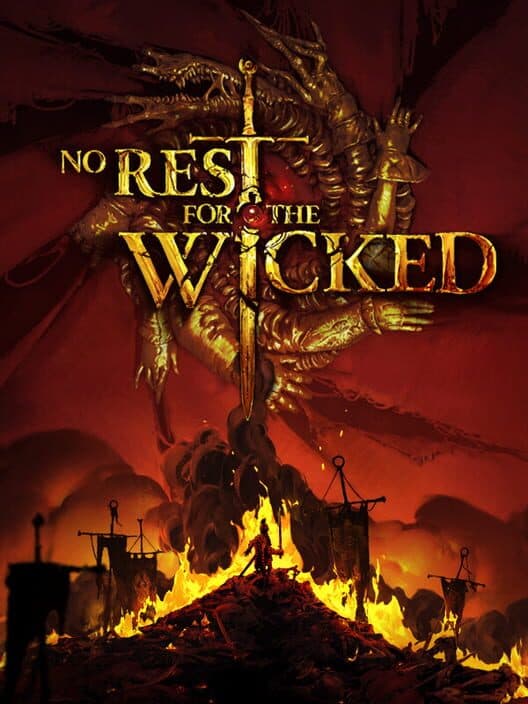
No Rest for the Wicked is worth it if you enjoy tough, skill-based action RPGs and can handle some Early Access rough edges. The core melee combat is the star: weighty, timing-based fights that feel incredible once patterns click. Around that, you get a moody, beautifully painted dark-fantasy world, a satisfying sense of growing power, and a hub town you slowly restore and personalize. In return, the game asks for patience with difficulty, tolerance for some performance issues, and a willingness to wrestle with clunky inventory and weight systems. It’s not a breezy “switch off your brain” experience; it’s something you sit down to and focus on. For a busy adult, the 20–35 hour arc and 60–90 minute-friendly runs make it surprisingly compatible with real-life schedules. Buy at full price if you love Souls-likes or demanding action games. Consider waiting for a sale or more patches if you’re only mildly curious or hate technical hiccups. Skip it if you primarily want relaxed, low-stress play.

Moon Studios • 2024 • Xbox Series X|S, PC (Microsoft Windows), PlayStation 5
No Rest for the Wicked is worth it if you enjoy tough, skill-based action RPGs and can handle some Early Access rough edges. The core melee combat is the star: weighty, timing-based fights that feel incredible once patterns click. Around that, you get a moody, beautifully painted dark-fantasy world, a satisfying sense of growing power, and a hub town you slowly restore and personalize. In return, the game asks for patience with difficulty, tolerance for some performance issues, and a willingness to wrestle with clunky inventory and weight systems. It’s not a breezy “switch off your brain” experience; it’s something you sit down to and focus on. For a busy adult, the 20–35 hour arc and 60–90 minute-friendly runs make it surprisingly compatible with real-life schedules. Buy at full price if you love Souls-likes or demanding action games. Consider waiting for a sale or more patches if you’re only mildly curious or hate technical hiccups. Skip it if you primarily want relaxed, low-stress play.
Players highlight the deliberate melee system, where reading attack tells and perfecting dodges turns once-brutal encounters into highly satisfying victories over time.
Frequent reports mention frame drops, stutter, and high hardware usage, with some players shelving the game until further optimization and stability patches arrive.
Some love the unforgiving opening as a test of skill; others find it overtuned and discouraging, especially when time is limited to adapt.
Many praise the moody art style, lighting, and sound design, saying the plague-ridden island feels beautiful and haunting enough to stop and just take it in.
Limited carry weight, constant juggling of loot, and clunky storage or crafting interfaces are often described as chores that eat into precious playtime.
In cramped or vertical areas, enemies and attacks can be obscured by scenery, making already-tough encounters feel unfair or visually messy for some players.
Players highlight the deliberate melee system, where reading attack tells and perfecting dodges turns once-brutal encounters into highly satisfying victories over time.
Many praise the moody art style, lighting, and sound design, saying the plague-ridden island feels beautiful and haunting enough to stop and just take it in.
Frequent reports mention frame drops, stutter, and high hardware usage, with some players shelving the game until further optimization and stability patches arrive.
Limited carry weight, constant juggling of loot, and clunky storage or crafting interfaces are often described as chores that eat into precious playtime.
In cramped or vertical areas, enemies and attacks can be obscured by scenery, making already-tough encounters feel unfair or visually messy for some players.
Some love the unforgiving opening as a test of skill; others find it overtuned and discouraging, especially when time is limited to adapt.
A focused 20–35 hour journey with 60–90 minute-friendly runs and decent flexibility for real-life interruptions.
For a busy adult, No Rest for the Wicked sits in a comfortable middle ground. Fully clearing the current story arc and getting a solid build will likely take 20–35 hours, depending on how cautiously you play and how much side content you chase. At 5–10 hours a week, that’s a few weeks of steady engagement rather than a months-long project. Sessions themselves are friendly to 60–90 minute windows. Leaving town, pushing into a zone, and returning to bank progress forms a natural loop that often wraps neatly within an evening. Autosaves and checkpoints mean you can usually stop after a completed run or even mid-dungeon without losing much, and resuming later only takes a few minutes of reorientation. Co-op is drop-in and optional, so you’re not locked into coordinating large groups or long appointments. The main commitment this game asks for is focused, intentional play rather than endless hours, which suits many adult schedules well.
You’ll need sharp attention and decent reflexes for combat, with calmer stretches in town for planning and catch-up.
Playing No Rest for the Wicked means keeping a close eye on the screen whenever you’re outside the safety of town. Enemy attacks are readable but punishing if you mistime a dodge, block, or parry, so you’re constantly watching animations, stamina, and positioning. Combat leans more on reflexes and timing than on long-term spreadsheet planning, yet you’ll still think about which enemies to pull, how far to push your luck, and whether your durability and healing can survive another skirmish. Between excursions, the hub town gives your brain a breather. Here you repair gear, craft, sort your limited inventory, and pick the next objective. It’s still thoughtful, but in a slower, less pressured way. You shouldn’t expect to multitask during actual fights, though checking your phone while wandering around town or managing storage is usually safe. Overall, the game asks for real focus when danger is present, but balances that with planning-heavy lulls that help keep mental fatigue manageable over a week of shorter sessions.
Takes a handful of hours to click, but rewards steady practice with a big jump in confidence and control.
Learning No Rest for the Wicked is less about memorizing complex systems and more about retraining your instincts. If you come from looser action RPGs, the first several hours can feel rough: greedy combos, panic rolling, or ignoring stamina will get you killed fast. Once you accept the slower, deliberate tempo, however, competence rises quickly. You start to see patterns, control spacing, and recognize when to commit or disengage. The game keeps giving back as you improve. Areas that felt impossible at first become reliably manageable, and revisiting earlier zones lets you feel just how far you’ve come. Gear and levels help, but the core satisfaction is knowing you survived because your timing and decisions were better. The learning curve is noticeable but not extreme; you won’t need dozens of hours before things make sense, just some persistence and a willingness to treat early deaths as lessons rather than failures.
Expect tense, punishing fights with real stakes, broken up by quieter stretches of exploration and town upkeep.
This is a demanding, sometimes stressful game, especially in the early hours when you’re under-geared and still learning the combat rhythm. Enemies hit hard, resources are limited, and death means a run back and possible resource loss, which makes every mistake feel meaningful. Bosses in particular can create heart-pounding loops of repeated attempts as you slowly decode patterns and tighten your timing. That said, it’s not constant white-knuckle intensity. Time spent in Sacrament or moving carefully through known areas offers emotional breathing room: you’re still engaged, but you’re not on the edge of your seat. There are no horror-style jump scares and the pace is slower than the most cinematic action games, so the pressure comes more from difficulty and risk than from nonstop spectacle. If you like feeling challenged and a little on edge, it delivers. If you mainly game to unwind after a draining day, this level of tension may feel more exhausting than energizing.
Games with a similar rhythm and feel, even if they look different