Yacht Club Games • 2026 • Xbox Series X|S, Linux, Nintendo Switch 2, PC (Microsoft Windows), PlayStation 5, Mac, Nintendo Switch
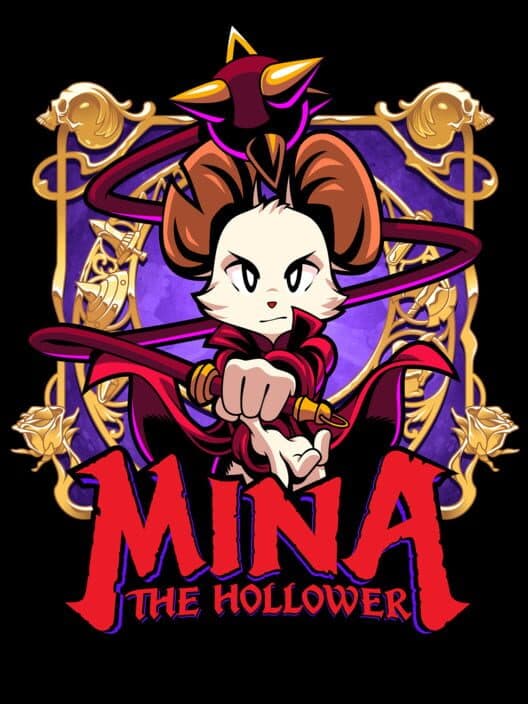
Mina the Hollower
Yacht Club Games • 2026 • Xbox Series X|S, Linux, Nintendo Switch 2, PC (Microsoft Windows), PlayStation 5, Mac, Nintendo Switch
Is Mina the Hollower Worth It?
Yes, Mina the Hollower is worth it if you want a tight, secret-packed adventure that makes progress feel earned. Buy at full price if you like deliberate combat, dense exploration, and that old-school joy of spotting a shortcut or hidden route on your own. The burrow move gives the whole game a fresh identity, and the world packs a lot of surprises into a 20 to 30 hour first run. Wait for a sale if you love the look but bounce off harsh openings. The first few hours are the roughest part, with stingy healing, meaningful death costs, and lighter map support than many modern games. Skip it if you want a cozy ride, clear hand-holding, or save-anywhere convenience. What it delivers is real discovery, memorable bosses, and a strong sense that every new burrow, trinket, and shortcut matters. If that sounds exciting rather than tiring, Mina is an easy recommendation.
What is Mina the Hollower like?
Opinions of Mina the Hollower
What Players Love
- Players Love
Nearly every area rewards curiosity with real discoveries
Players love how often curiosity pays off with shortcuts, secret paths, odd NPCs, and optional finds. Even short detours usually feel rewarding instead of like filler.
- Players Love
Burrowing makes combat and movement feel genuinely fresh
The burrow move, sidearms, and trinket setups make Mina feel distinct. Fans praise how expressive combat stays without becoming messy or overcomplicated.
- Players Love
Retro visuals and music feel polished, not just nostalgic
Players regularly single out the Game Boy Color style, lively animation, and soundtrack. The throwback look feels carefully crafted rather than a cheap callback.
Common Concerns
- Common Concern
Opening hours can feel harsher than many expect
The most common complaint is the early game. Sparse healing, meaningful death costs, and limited upgrades can make the first stretch feel punishing before the game opens up.
- Common Concern
Limited map support makes backtracking harder after breaks
A notable group of players finds navigation tiring, especially after time away. The game leans on memory, clues, and orientation more than modern map markers.
Divisive Aspects
- Divisive
Modifiers add flexibility, but their tradeoffs split players
Many players love the huge modifier suite for tuning challenge, while others dislike the attached tradeoffs and feel easier options should be less restricted.
What does Mina the Hollower demand from you?
Time
MODERATETime
A first run fits into a few weeks of regular play, with strong pause support but checkpoint saving and light map help making long breaks awkward.
Focus
HIGHFocus
You can pause anytime, but while moving you need your eyes on every room, enemy tell, and gap. This is deliberate screen-by-screen play, not background gaming.
Challenge
MODERATEChallenge
The opening can feel sharp, but the rule set is learnable. Read patterns, trust burrowing, and the game slowly turns confusion into confidence.
Intensity
HIGHIntensity
Expect steady pressure instead of pure panic: hard-hitting rooms, meaningful death costs, and spooky mood, with enough flexibility to keep frustration from turning toxic.
Frequently Asked Questions
You Might Also Like
Games with a similar rhythm and feel, even if they look different