hello@slated.gg
Powered by IGDB•Privacy•Terms

© 2026 Slated.gg

Slated.gg
Popular GamesAboutDiscover Games
Subnautica 2

Krafton • 2026 • Xbox Series X|S, PC (Microsoft Windows)
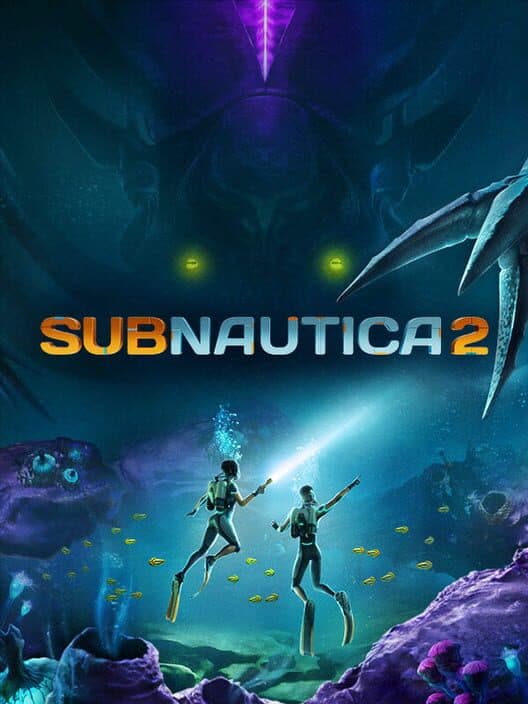
Subnautica 2 cover art

Subnautica 2

Krafton • 2026 • Xbox Series X|S, PC (Microsoft Windows)

Is Subnautica 2 Worth It?

Subnautica 2 is worth buying now if the core dream is enough for you: beautiful, scary ocean exploration, steady base-building, and the thrill of pushing a little deeper each night. The current Early Access build already delivers a strong loop and a real sense of progress in about 14 to 20 hours, especially if you enjoy making your own goals between story beats. What it asks from you is attention. You need to manage oxygen, routes, power, supplies, and creature risk, and it is not great for half-distracted play. In return, it gives you one of the best wonder-and-dread mixes around, plus the satisfying feeling of turning a hostile place into a home. Buy at full price if you loved the first game's mood or just want a strong unfinished slice now. Wait for a sale or for 1.0 if you want a finished story, smoother save tools, and more polish. Skip for now if you need clear quest chains, low re-entry friction, or total closure.

What is Subnautica 2 like?

Opinions of Subnautica 2

What Players Love

  • Players Love

    Atmosphere and exploration instantly feel like a true follow-up

    Players keep praising the eerie beauty, alien life, and urge to push one biome deeper. Many say it captures the same wonder-and-dread pull they wanted from a follow-up.

  • Players Love

    Co-op adds fun without taking over the solo experience

    Friends can share expeditions and build together, but the game still feels complete alone. Players like that nothing important seems locked behind multiplayer.

Common Concerns

  • Common Concern

    The current story boundary feels clearly unfinished today

    Most buyers enjoy what is here, but many note the present build ends where Early Access starts to show. If you want a full arc and late-game closure, waiting may be wiser.

  • Common Concern

    Saving and PDA use still create everyday friction

    Busy players often call out awkward save behavior and the fact that reading the PDA can leave survival meters running. It works, but daily usability still needs polish.

  • Common Concern

    Performance is solid for Early Access, but issues remain

    The launch build feels stronger than many unfinished releases, yet players still report crashes, frame drops, and co-op hiccups that hotfixes are actively chasing.

Divisive Aspects

  • Divisive

    Creature aggression splits players between thrilling and annoying

    Some players love the harsher vulnerability and constant caution. Others feel aggressive creatures plus limited response tools can shift from scary pressure into annoyance.

What does Subnautica 2 demand from you?

Time

MODERATE

Time

The current build fits weeknight sessions well, but goals are self-made, breaks make re-entry fuzzy, and Early Access means today's ending is temporary.

MODERATE

The current Early Access build is friendly to regular weeknight play, but it still asks for some personal organization. A good session is often 60 to 90 minutes: one or two meaningful dives, then time back at base turning that haul into better gear or a safer home. That part works well. You can save manually, solo play is fully viable, and you do not need a group calendar to enjoy it. The catch is structure. The game rarely gives you clean chapter breaks, so you make your own stopping points when you feel safe or satisfied. That can be great on a Tuesday night, but it also means coming back after a long gap takes effort because your goals, routes, and base logic live partly in your memory. Early Access adds another layer: today's arc ends at a real but temporary boundary, not a finished ending. So the game asks for steady short sessions and a little note-taking. In return, it delivers a strong sense of ownership over your progress and your personal version of the world.

Tips
  • End each session at base with a manual save and one written note. Future-you will re-enter much faster after a busy week.
  • Break big goals into one-dive jobs like finding one fragment or one mineral node. The game feels much better in clear nightly chunks.
  • If playing co-op, agree on host times and who tracks goals. Shared worlds are fun, but loose plans can waste short sessions.

Focus

HIGH

Focus

Most sessions ask for steady attention and route planning, not twitch perfection. You can relax at base, but deeper dives punish second-screen play fast.

HIGH

Subnautica 2 asks for steady, layered attention more than fast fingers. In safe water or inside your base, you can breathe a little and do chores. The moment you head out, though, your brain starts tracking oxygen, depth, batteries, food and water, inventory space, creature sounds, landmarks, and the route back home. The thinking is mostly practical planning: what are you trying to get, how far can you safely push, and what happens if tonight's dive goes wrong? That makes it a poor fit for background play. You can pause in solo, but active exploration wants your eyes on the screen. The payoff is excellent. Because the game asks you to stay present, every successful return feels earned. Over time, scary blank ocean turns into a mental map of known paths, safe stops, and smart routines. If you like games that reward careful preparation and spatial memory, this is deeply satisfying. If you want something to half-watch while answering messages, it will fight you.

Tips
  • Leave base with one clear goal and only the tools that support it. Packing for everything makes your inventory and attention harder to manage.
  • Drop beacons near useful caves and turn-around points. Clear landmarks reduce panic when oxygen gets tight and you need the fastest route home.
  • Do lore reading and recipe checking inside a safe base. The PDA is better treated as downtime, not something to browse mid-dive.

Challenge

MODERATE

Challenge

Learning comes from scanning, experimenting, and surviving mistakes; it feels messy early, then deeply satisfying once the ocean starts making sense.

MODERATE

Subnautica 2 is medium-hard to learn, but not because the controls are tricky. The hard part is putting the world together. The game explains enough to get you moving, then expects you to scan, experiment, and notice patterns on your own. Early on, that can feel messy. You may chase the wrong material, build something later than you should, or waste a dive because you did not pack the right tool or power source. That uncertainty is the tax it asks from new players. The reward is that your improvement feels real. Once you understand how to feed yourself, read the environment, plan short expeditions, and turn resources into safety, the whole experience opens up. It is much closer to learning a place than learning a combo system. Most people will feel basically comfortable after several hours, not several minutes. If you want constant tutorials and clear next steps, it may feel opaque. If you enjoy slowly getting smarter at a world, it is one of the most satisfying kinds of growth.

Tips
  • Scan everything early, even boring fragments and wildlife. The scanner quietly teaches what matters and opens much of your real progress.
  • Treat early failures as scouting, not wasted time. Learning where danger, oxygen breaks, and materials sit is part of getting better.
  • Upgrade tools that increase safety before luxury pieces. Better mobility, power, and breathing usually unlock faster progress than prettier rooms.

Intensity

MODERATE

Intensity

It alternates calm crafting with sharp bursts of underwater dread, making each deeper push thrilling instead of feeling like nonstop punishment.

MODERATE

This is a tense game, but not a nonstop panic machine. Its rhythm is what makes it work. One minute you are sorting lockers, placing a new room, and admiring glowing alien water. Ten minutes later you are low on oxygen, a creature is too close, and the trip back to safety feels much longer than it did on the way out. That swing between calm and dread is the point. The game asks you to live with vulnerability, limited information, and the fear of overextending. In return, it delivers huge relief when a risky run works and a powerful sense of wonder when a dangerous place turns into familiar ground. Failure usually costs time, supplies, and momentum more than total disaster, so the stress lands as pressure instead of cruelty. If deep water and creature ambushes already bother you, this can be a lot. If you enjoy just-one-more-try tension with real decompression between spikes, it hits a sweet spot.

Tips
  • Build small forward outposts with oxygen, power, and storage. A nearby safe room turns scary expeditions into shorter, less draining pushes.
  • When a dive starts to feel greedy, turn back. Most bad deaths come from stretching one trip past your real comfort margin.
  • Use base chores as a reset between risky runs. That calm-down loop keeps the tension exciting instead of exhausting.

Frequently Asked Questions

Subnautica 2 is medium overall, but it often feels harder than it is because the danger comes from uncertainty, not difficult button inputs. You are not being tested like in a fast action game with strict parries or combo timing. The challenge comes from oxygen, navigation, creature behavior, and not always knowing what tool, material, or biome matters next. Basic competence usually takes around 5 to 10 hours for a typical player. Once you can keep yourself fed, build a dependable base, and plan safe dives, the game becomes much easier to live with. Compared with the first Subnautica, it feels similar in spirit, though some Early Access creature tuning can make parts of it rougher right now. Compared with Valheim or a Souls-like, it is less about exact execution and more about preparation. If you hate learning through trial and error, it may feel frustrating. If you like slowly mastering a place, it feels demanding but very learnable.

Right now, most players reach the current story boundary in 14 to 20 hours. If you scan widely, build a larger base, play co-op, or keep exploring after the story stops, 25 to 35 hours is a more realistic total for feeling fully satisfied with the current build. The game works well in 60 to 90 minute sessions because one expedition plus some base work feels like a complete evening. You can manual save, which helps a lot, but the save flow is still clunky enough that it is smart to save before risky dives or before quitting for the night. Keep in mind that this is Early Access. Today's ending is a temporary boundary, not the full journey, so the eventual 1.0 version will almost certainly be much longer. As it stands now, this is a meaningful but manageable commitment, not a months-long lifestyle game unless you want it to be.

Yes, it can be pretty stressful, but mostly in the way good survival games are stressful. The main feeling is underwater dread: dark water, strange noises, limited oxygen, and that creeping thought that you may be a little too far from safety. That can absolutely spike your heart rate during deep dives. The good news is that it is not nonstop panic. Base time, safer biomes, scanning, and crafting create real cooldown periods, so the game breathes between tense moments. The bad stress comes mostly from uncertainty and small annoyances, like losing time on a failed run or dealing with rough save behavior in Early Access. If you enjoyed the first Subnautica because fear and wonder were part of the appeal, this lands well. If deep-water anxiety already gets to you, this is probably a game to play when you are in the mood for that feeling rather than when you want to fully unwind.

Yes. Subnautica 2 is absolutely built to work solo, and that is still the cleanest way many people will play it. Co-op is an optional bonus, not the main design. You can explore, build, unlock vehicles, and hit the current story boundary alone without feeling like you are missing core systems or running into walls meant for groups. In fact, solo often strengthens the experience because the loneliness, uncertainty, and relief of getting home all land harder when nobody is there to rescue you. Co-op mostly changes the tone. It lowers the fear, speeds up gathering, and makes base projects feel more social. That can be great, but it is not required. If you are deciding whether to wait until friends are free, you do not need to. The better reasons to wait are Early Access incompleteness, some save-system friction, or wanting a more polished and finished version later.

No. Subnautica 2 is not pay-to-win. The current release is a normal one-time purchase, and there is no sign of sold power, better gear, faster progression, or any other paid gameplay advantage. Storefront extras like soundtrack bundles or generic platform notices about in-app purchases do not appear to affect actual survival, building, or exploration systems. Since this is a co-op game rather than a competitive one, there is also no ranked ladder or PvP scene for paid boosts to distort. The only money-related caveat is timing: the price is expected to go up after Early Access, so waiting may cost more later. But that is not the same as paying for power. In simple terms, the real decision is whether to buy an unfinished but promising version now or wait for a fuller and more polished release. You are not being pushed toward microtransactions to stay effective.

You Might Also Like

Games with a similar rhythm and feel, even if they look different
Explore more→
Subnautica game cover art

Subnautica

Time
MODERATE
Focus
HIGH
Challenge
MODERATE
Intensity
HIGH
Subnautica: Below Zero game cover art

Subnautica: Below Zero

Time
MODERATE
Focus
HIGH
Challenge
MODERATE
Intensity
MODERATE
Valheim game cover art

Valheim

Time
HIGH
Focus
MODERATE
Challenge
MODERATE
Intensity
MODERATE
The Last Caretaker game cover art

The Last Caretaker

Time
MODERATE
Focus
MODERATE
Challenge
MODERATE
Intensity
LOW
Enshrouded game cover art

Enshrouded

Time
MODERATE
Focus
MODERATE
Challenge
MODERATE
Intensity
MODERATE
StarRupture game cover art

StarRupture

Time
MODERATE
Focus
HIGH
Challenge
MODERATE
Intensity
MODERATE
← Back to Home