Powered by IGDB•Privacy•Terms

© 2026 Slated.gg

Slated.gg
Popular GamesAbout

StarRupture

Creepy Jar • 2026 • PC (Microsoft Windows)
Is StarRupture Worth It?

StarRupture is worth it if you enjoy survival crafting and factory builders and can tolerate some Early Access rough edges. The core loop of gathering resources, automating production, and hardening a base against recurring planetary firestorms is already strong and absorbing. You get the satisfaction of taming a hostile world piece by piece, watching your fragile first shelter grow into a robust industrial complex that shrugs off Ruptura cycles. In exchange, the game asks for patience with grind, long walks without fast travel, and occasionally opaque blueprint hunts. The story is more atmospheric backdrop than fully fleshed narrative, so don’t buy it for deep characters or cutscenes. Combat is serviceable but not the main attraction. If you loved Satisfactory, Factorio, or Valheim-style projects and like the idea of a first-person viewpoint with co-op options, it’s easy to recommend even at full price. If you’re mainly here for polished storytelling or hate repetition, wait for a sale or more post-launch tuning. Players who dislike spiders or survival pressure should probably skip it.

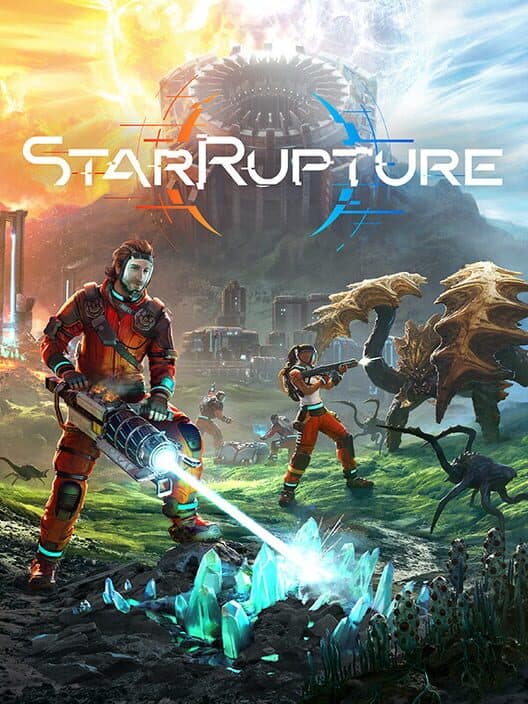
StarRupture cover art

StarRupture

Creepy Jar • 2026 • PC (Microsoft Windows)

Is StarRupture Worth It?

StarRupture is worth it if you enjoy survival crafting and factory builders and can tolerate some Early Access rough edges. The core loop of gathering resources, automating production, and hardening a base against recurring planetary firestorms is already strong and absorbing. You get the satisfaction of taming a hostile world piece by piece, watching your fragile first shelter grow into a robust industrial complex that shrugs off Ruptura cycles. In exchange, the game asks for patience with grind, long walks without fast travel, and occasionally opaque blueprint hunts. The story is more atmospheric backdrop than fully fleshed narrative, so don’t buy it for deep characters or cutscenes. Combat is serviceable but not the main attraction. If you loved Satisfactory, Factorio, or Valheim-style projects and like the idea of a first-person viewpoint with co-op options, it’s easy to recommend even at full price. If you’re mainly here for polished storytelling or hate repetition, wait for a sale or more post-launch tuning. Players who dislike spiders or survival pressure should probably skip it.

When is StarRupture at its best?

When you have about an hour and want to tinker, perfect for extending a production line, riding out a Ruptura cycle, and feeling clear, tangible progress before bed.

Great for a weekly co-op night with one or two friends who enjoy shared projects, dividing roles between builder, explorer, and defender while chatting on voice.

Ideal when you’re mentally awake but not wired, and want to sink into a persistent world, slowly expanding a base over several evenings instead of chasing quick, flashy wins.

What is StarRupture like?

Commitment

MODERATE

Commitment

A multi-week project you can chip away at in 60–90 minute chunks, with flexible saves but some effort needed when returning after breaks.

MODERATE

StarRupture is designed as an ongoing world rather than a quick, one-sitting story. Reaching a satisfying point—one big, mostly automated base that rides out several Ruptura cycles—will take most busy adults 20–25 hours over a few weeks. The good news is that the structure plays nicely with real life. You can pause freely, save almost anywhere, and most meaningful tasks fit into 60–90 minute sessions: finishing a shipment, wiring a new resource patch, or surviving a cataclysm and exploiting the aftermath. Where it’s less friendly is in map size and long-term memory. There’s no fast travel, and your bases can sprawl, so both traversal and re-orienting after time away add overhead. Co-op is completely optional, so you’re not locked into scheduled group nights. Overall, it’s a solid fit if you like having “one big game” on the go and don’t mind a bit of re-learning when you come back after a break.

Tips

  • Aim for 60–90 minute cycles.
  • Manual-save before risky excursions.
  • Keep a simple notes file.

Focus

HIGH

Focus

Mostly thoughtful factory planning with bursts of real-time danger that demand attention, especially when you venture outside your base or during raids.

HIGH

Moment to moment, StarRupture tilts more toward thinking than twitch reactions. Most of your time is spent planning how factories fit together, routing power and materials, and keeping an eye on survival meters and the Ruptura timer. That asks for steady, deliberate attention rather than pure muscle memory. When you’re inside your habitat, browsing tech trees or placing machines in safe areas, the pace relaxes and you can take things at your own speed. Once you step outside the wire, though, you need to watch for temperature spikes, wandering creatures, and the countdown to the next cataclysm. Raids and risky excursions briefly demand full focus, but they’re a minority of your total playtime. For a busy adult, it’s a game that rewards sitting down with a clear head and a rough plan for the evening, while still letting you enjoy some lower-focus building or housekeeping when you’re mentally tired.

Tips

  • Do heavy planning when fresh.
  • Stick to building on tired nights.
  • Pause before checking your phone.

Mastery

MODERATE

Mastery

Takes several evenings to fully click, but rewards you with smoother factories, safer runs, and a strong sense of earned competence.

MODERATE

Learning StarRupture means getting comfortable with several overlapping systems at once: survival basics, Ruptura timing, production ratios, power distribution, and the corporate contract layer. The early hours do guide you, but there’s still a lot to absorb, so expect a handful of sessions before everything feels natural. Once it clicks, your growing skill noticeably changes the experience. Better layouts reduce bottlenecks, smart timing around Ruptura minimizes risk, and you learn where and when to hunt for key resources. Combat never demands fighting-game precision, so most of the payoff for improvement sits in your planning and problem-solving. That’s great if you enjoy seeing your mental models pay off in cleaner factories and calmer survival, less ideal if you want to master deep combat mechanics. For a busy adult, this is the kind of game that gets more relaxing as you master it, because your past learning keeps future sessions running smoother.

Tips

  • Learn one system per evening.
  • Prototype factories small before scaling.
  • Accept early mistakes as tuition.

Intensity

MODERATE

Intensity

Moderate tension built around survival and defense, with noticeable stress spikes during big raids and tight Ruptura windows.

MODERATE

The emotional tone here is more slow-burn tension than constant adrenaline. You’re never completely safe, since hunger, thirst, heat, and wandering monsters can punish inattention, but most of your time is spent in controlled environments you’ve built yourself. That keeps the baseline feeling more like cautious focus than panic. Intensity ramps up when you trigger a core upgrade, fend off a major raid, or push your luck staying outside as Ruptura approaches. In those moments your heart rate will climb, especially if a mistake could cost you a long trip to recover your gear. However, failures are usually recoverable, and there’s no harsh permadeath, so the emotional stakes stop short of true high-stress games or hardcore horror. If you come in expecting a cozy builder, the survival pressure may feel sharp. If you’re used to shooters or Souls-likes, it will likely register as engaging but manageable.

Tips

  • Schedule raids when you’re alert.
  • Use calmer sessions for building.
  • Avoid night play if spiders upset.

Frequently Asked Questions

You Might Also Like

Games with a similar rhythm and feel, even if they look different
Terraria game cover art

Terraria

Commitment
MODERATE
Focus
MODERATE
Mastery
MODERATE
Intensity
MODERATE
Vintage Story game cover art

Vintage Story

Commitment
HIGH
Focus
MODERATE
Mastery
MODERATE
Intensity
MODERATE
Palworld game cover art

Palworld

Commitment
MODERATE
Focus
MODERATE
Mastery
MODERATE
Intensity
MODERATE
Valheim game cover art

Valheim

Commitment
MODERATE
Focus
MODERATE
Mastery
MODERATE
Intensity
MODERATE
Project Zomboid game cover art

Project Zomboid

Commitment
MODERATE
Focus
HIGH
Mastery
HIGH
Intensity
HIGH
Abiotic Factor game cover art

Abiotic Factor

Commitment
MODERATE
Focus
HIGH
Mastery
MODERATE
Intensity
MODERATE
← Back to Home