Gearbox Publishing • 2018 • Xbox Series X|S, PlayStation 4, Android, PC (Microsoft Windows), iOS, SteamVR, PlayStation 5, Mac, Oculus Rift, Xbox One, Nintendo Switch
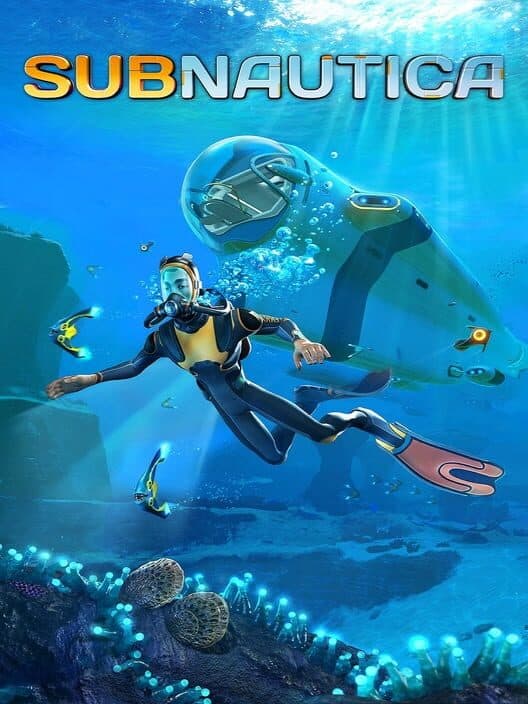
Solo underwater survival adventure with base-building
Story-driven exploration of a mysterious alien ocean
Tense but beautiful dives in 60–90 minute sessions
Subnautica is absolutely worth it if you like exploration, light survival, and strong atmosphere. It offers a complete, story-driven journey rather than an endless live-service grind, so it fits well into adult schedules. You’ll spend your time gathering resources, building increasingly impressive underwater bases, and pushing into deeper, stranger biomes to uncover what happened on the planet and how to escape. The game asks for a moderate amount of focus and emotional tolerance for tension; deep areas and giant creatures can be genuinely scary, especially if you already dislike the ocean. In return, it delivers memorable vistas, a satisfying feeling of progress, and lots of “I can’t believe I made it back alive” moments. If you enjoy games like Raft, The Forest, or other survival sandboxes but want a stronger sense of ending, buying at full price makes sense. If you mainly care about tight combat, co-op, or fast arcade action, it may be better as a sale pickup or skip.

Gearbox Publishing • 2018 • Xbox Series X|S, PlayStation 4, Android, PC (Microsoft Windows), iOS, SteamVR, PlayStation 5, Mac, Oculus Rift, Xbox One, Nintendo Switch
Solo underwater survival adventure with base-building
Story-driven exploration of a mysterious alien ocean
Tense but beautiful dives in 60–90 minute sessions
Subnautica is absolutely worth it if you like exploration, light survival, and strong atmosphere. It offers a complete, story-driven journey rather than an endless live-service grind, so it fits well into adult schedules. You’ll spend your time gathering resources, building increasingly impressive underwater bases, and pushing into deeper, stranger biomes to uncover what happened on the planet and how to escape. The game asks for a moderate amount of focus and emotional tolerance for tension; deep areas and giant creatures can be genuinely scary, especially if you already dislike the ocean. In return, it delivers memorable vistas, a satisfying feeling of progress, and lots of “I can’t believe I made it back alive” moments. If you enjoy games like Raft, The Forest, or other survival sandboxes but want a stronger sense of ending, buying at full price makes sense. If you mainly care about tight combat, co-op, or fast arcade action, it may be better as a sale pickup or skip.
Best when you have an uninterrupted hour or two in the evening and want a solo, atmospheric survival story without managing teammates, matchmaking, or complicated combat systems.
Great for a quiet night when you feel mentally tired and just want to expand your base, organize storage, and take short, low-risk trips in the safe shallows.
Ideal on a weekend session when you’re ready for some tension, planning a big deep-ocean expedition, then relaxing afterward by returning to the bright reef around your home base.
Offers a focused 25–40 hour solo journey that fits well into 60–90 minute sessions, with flexible saving and only mild effort needed to resume after breaks.
For a busy adult, Subnautica’s overall journey is very manageable. Most players will see the full story—building a solid base, unlocking all key vehicles, and escaping the planet—in a few weeks of regular evening play. Sessions don’t need to be long; a typical 60–90 minute block is enough for a meaningful resource run, a wreck dive, or a round of base expansion. The game saves and pauses almost anywhere, so it’s kind to real-life interruptions. You can safely quit mid-trip as long as you remember what you were doing. Coming back after a week away usually takes a few minutes of checking storage, beacons, and logs to reorient, but you’re not dealing with a giant quest log or big cast of characters. There’s no social obligation, matchmaking queue, or raid schedule to worry about—this is entirely on your own time. The only catch is that the open structure can tempt you into “one more dive” loops if you don’t set your own stopping points.
Demands steady attention to oxygen, depth, and navigation, with lots of planning choices but very little pressure for lightning-fast button skills.
Subnautica asks for a solid chunk of your attention whenever you’re in the water. You’re constantly watching oxygen, depth, your health, and the distance back to your lifepod or base. At the same time you’re scanning for resources, listening for predator sounds, and mentally mapping landmarks in a world that rarely gives you clear waypoints. The mental work is more about planning and situational awareness than juggling complicated combat systems. You decide which biome to visit, how far to push a dive, and which blueprints matter most right now. Reflex demands stay low; most threats are slow and telegraphed, and careful positioning matters more than quick aiming. Out of the water, things calm down as you craft, organize storage, and expand your base. Those moments still use your brain, but at a gentler pace that suits tired weeknights. Overall, it’s not something you can truly multitask with a show in the background, yet it also doesn’t require constant laser focus like a hardcore action game.
Takes a few sessions to grasp its systems and map, and rewards growing knowledge, but you don’t need expert skills to finish.
Subnautica doesn’t hit you with complex button combos or dense skill trees, but it does expect you to learn how its world works. The first several hours are spent figuring out where basic resources come from, how blueprints connect, and which biomes are safe to visit with early gear. It can feel disorienting until you build a mental map and understand how depth, oxygen, and equipment limits fit together. Once you get over that hump, the game becomes much smoother. Knowing where to find silver or magnetite, how far your vehicle can safely go, and which tools solve which problems dramatically lowers the friction of each new goal. Improving at Subnautica mostly means wasting less time, staying calmer in scary areas, and planning smart routes, not mastering tight execution. There’s satisfaction in becoming the kind of player who can confidently plan a deep-trench expedition, but the game doesn’t keep raising the bar forever or demand endless grinding of skill.
Blends peaceful reef wandering with real spikes of fear and tension during deep-ocean trips and predator encounters, especially if you’re sensitive to deep water.
Emotionally, Subnautica lives in a space between relaxing and genuinely scary. Early swims in the bright shallows feel almost meditative, with gentle music and colorful fish all around. As you push deeper, though, the mood shifts: light fades, sounds get stranger, and the size of nearby creatures ramps up. Knowing that you can run out of air far from safety or lose a beloved vehicle makes those dives feel tense even when nothing is attacking you. On the default mode, failure isn’t crushing—you usually respawn at a safe spot having lost some items—so the game rarely feels cruel. The anxiety comes more from anticipation and atmosphere than from constant punishment. For many people, that mix of fear and relief is thrilling. For players with a strong fear of deep water or sea monsters, sessions can be emotionally draining. It’s a game that can get your heart rate up, but also gives you calmer building segments to decompress afterward.
Games with a similar rhythm and feel, even if they look different