Channel37 • 2025 • PC (Microsoft Windows)
Channel37 • 2025 • PC (Microsoft Windows)
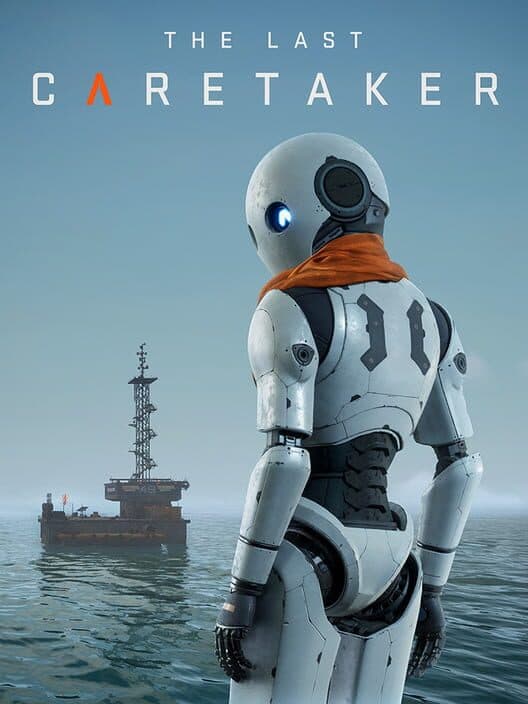
The Last Caretaker is worth it right now if you love atmospheric scavenging, slow-burn survival systems, and finding meaning in maintenance. Its best trick is making ordinary work feel important. Routing power, organizing your boat, recovering seeds, and slowly restarting humanity feels oddly moving instead of grindy. Exploration also delivers: the flooded world is eerie, beautiful, and full of places that feel worth visiting. What it asks from you is patience. Combat is only okay, tutorials are thin, and the current Early Access build still has performance, save, physics, and persistence issues that can sour a good session. This is not the game to buy if you want slick onboarding or total reliability after a long day. Buy at full price if the setting and systems already sound like your thing and you can tolerate rough edges. Wait for a sale or a few more updates if you want the same mood with less technical risk. Skip it if you want action-heavy combat, clean polish, or a short one-weekend payoff.
Players consistently praise the drowned-world setting for mixing eerie emptiness with hope, making routine salvage feel like part of a larger rescue mission.
Routing cables, powering modules, and organizing the boat are repeatedly called satisfying. Even players with complaints often say the logistics loop keeps them playing.
Frame drops, stuttering, and crashes remain the most common complaint, especially in larger areas, and they can turn a productive evening into troubleshooting.
Players frequently mention broken cables, unstable boats, persistence issues, or odd reload behavior. When they hit, the problem is not just annoyance but lost progress.
Some players enjoy stretching the current content through more scavenging and optimization, while others feel fights stay shallow and momentum fades after major goals.
It fits real life better than most survival games thanks to full pause and flexible saving, but long breaks make your boat and logistics easy to forget.
This game asks for a medium-length relationship, then gives you a meaningful sense of progress in manageable chunks. You do not need to devote months to feel satisfied. For most players, the current payoff comes from getting the recovery, growth, and launch cycle working and seeing it succeed a few times. That usually takes several weeks of evening play, not a single weekend. Session by session, it is more flexible than many survival games. You can pause fully, save manually, and step away without wrecking a run. Expeditions, dock visits, and base check-ins create decent stopping points too. The catch is that the game is easier to stop than it is to restart. After a week away, you may spend ten minutes remembering your boat layout, your bottleneck, and why half your storage is full of one specific part. It is also purely solo, so there are no raids, guild nights, or friend schedules shaping your calendar. That helps a lot. The trade is simple: it fits interruptions well, but it rewards steady weekly contact.
Planning routes, balancing boat systems, and choosing what matters drive the experience more than reflexes, though sailing and hostile areas still punish wandering attention.
This game asks for steady, practical attention and pays you back with the satisfaction of slowly making a broken world work again. Most sessions begin with a checklist: power, fuel, storage, fabrication, seed growth, then a call on where to sail next. That means you're usually thinking two or three steps ahead. What do you carry home? What do you recycle on site? What system is about to become your next bottleneck? The good news is that it is not a twitch gauntlet. Sailing, docking, and surprise fights can punish sloppy play, but the real demand is mental organization, not lightning reflexes. You can pause anytime, yet when the game is active it still wants your eyes on it, especially near hazards or hostile areas. For players who enjoy turning chaos into order, this feels rewarding instead of draining. For players who want to zone out, it can feel like working a second shift. The trade is simple: keep a living mental map of your boat and goals, and the game rewards you with real ownership over every improvement.
The hard part is understanding the machinery, not surviving brutal fights; once the systems click, the game becomes much gentler than its first hours suggest.
This game asks you to learn by doing, and it rewards that patience with a strong sense of earned competence. The first hurdle is not raw danger. It is understanding how everything fits together. Power routing, fabrication states, storage flow, boat upkeep, and human-growth systems can feel under-explained at first, so the early game often feels messy even when enemies are manageable. Once those pieces click, the game becomes much friendlier. Most mistakes cost time and materials, not a total collapse of your run. Combat matters, but it is not the main exam. Preparation, sensible routes, and a stable setup will usually carry you farther than sharp aim. In plain terms, this is harder to learn than it is to survive. The complication is that some roughness comes from the current build, not the intended design. Bugs, strange physics, and persistence issues can make ordinary problems feel larger than they should. Approach it as a thoughtful Early Access project, not a polished skill test, and the learning process feels much fairer.
Expect steady unease and lonely responsibility, not nonstop panic; the world feels somber and exposed, with pressure coming from fragility, darkness, and fear of wasted progress.
This game asks for calm nerves more than bravado, and it delivers a haunting, lonely mood instead of constant panic. Most of the pressure comes from being responsible for fragile systems in a dangerous place. Open water, dark structures, night threats, and the larger mission of preserving humanity all create a steady background unease. You feel exposed, but rarely hunted every second. That makes the emotional ride fairly measured. It is not a horror game built to spike your heart rate nonstop, and it is not an action game that throws big set pieces at you every ten minutes. The world is somber, reflective, and sometimes eerie. When things go wrong, frustration is more likely to come from lost time, broken setups, or technical hiccups than from brutal combat. For the right player, that lower-key pressure is the point. It gives routine scavenging real weight. For the wrong player, the loneliness and maintenance stress can feel heavy after a long day. Best case, it asks for patience and gives back atmosphere that stays with you.
Games with a similar rhythm and feel, even if they look different