Coffee Stain Publishing • 2021 • Xbox Series X|S, Linux, PC (Microsoft Windows), PlayStation 5, Mac, Xbox One
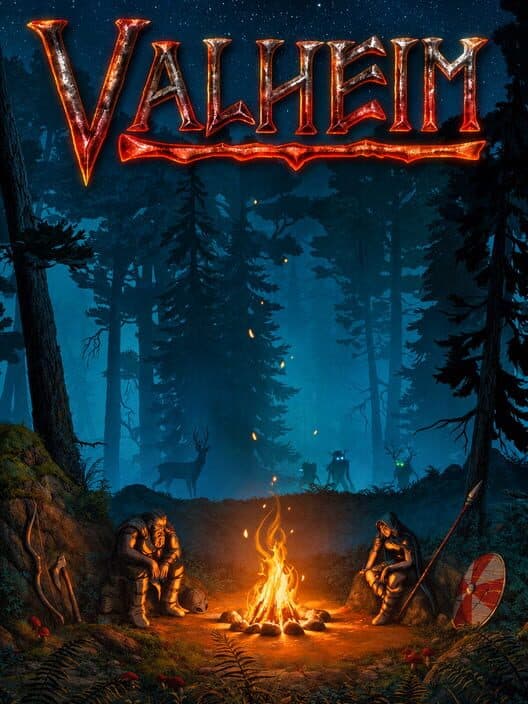
Cozy yet brutal Viking survival-crafting with friends
Open-world exploration across dangerous, procedurally generated biomes
Great for focused 60–90 minute progress sessions
Valheim is worth it if you enjoy survival games, base building, and slow, satisfying progress, especially with friends. It’s less ideal if you crave strong story, hate repetition, or dislike open-ended goals. What makes Valheim special is how well it blends cozy camp vibes with moments of real danger. You’ll watch a flimsy shack grow into a fortified Viking hall, unlock better ships and portals, and push cautiously into darker, stranger biomes. The game asks for patience with resource gathering, corpse runs after deaths, and a bit of self-direction about what to do next. In return, it delivers a powerful sense of ownership over your world, great atmosphere, and memorable co-op stories. If you already like games like Minecraft survival, Terraria, or other crafting sandboxes, it’s absolutely worth buying at full price. If you’re only mildly curious about survival games, it’s an excellent pick on sale. If you need tight narratives, clear endings, or dislike repeating runs for materials, you’ll probably want to skip it.

Coffee Stain Publishing • 2021 • Xbox Series X|S, Linux, PC (Microsoft Windows), PlayStation 5, Mac, Xbox One
Cozy yet brutal Viking survival-crafting with friends
Open-world exploration across dangerous, procedurally generated biomes
Great for focused 60–90 minute progress sessions
Valheim is worth it if you enjoy survival games, base building, and slow, satisfying progress, especially with friends. It’s less ideal if you crave strong story, hate repetition, or dislike open-ended goals. What makes Valheim special is how well it blends cozy camp vibes with moments of real danger. You’ll watch a flimsy shack grow into a fortified Viking hall, unlock better ships and portals, and push cautiously into darker, stranger biomes. The game asks for patience with resource gathering, corpse runs after deaths, and a bit of self-direction about what to do next. In return, it delivers a powerful sense of ownership over your world, great atmosphere, and memorable co-op stories. If you already like games like Minecraft survival, Terraria, or other crafting sandboxes, it’s absolutely worth buying at full price. If you’re only mildly curious about survival games, it’s an excellent pick on sale. If you need tight narratives, clear endings, or dislike repeating runs for materials, you’ll probably want to skip it.
You’ve got about an hour after work and enough mental energy to focus, so you log in, run one resource trip, and upgrade or expand a part of your base.
You and one or two friends can line up a longer evening, so you prepare carefully and tackle a new biome or boss together, turning it into a memorable shared adventure.
You’re in the mood for something peaceful yet productive, so you play solo, tidy storage, reinforce walls, tend farms, and sail short routes while listening to a podcast.
Built for a long-running world, but works well in 60–90 minute chunks with flexible quitting points.
Valheim is designed as an ongoing world you return to over weeks, slowly pushing farther from home. Seeing several biomes, beating most bosses, and building a main base will likely take a busy adult 40–70 hours. The good news is that those hours break down nicely into bite-sized sessions: one night you run ore, another you expand walls, another you scout coastline or attempt a boss. You can log out almost anywhere to save, so it’s easy to stop at the end of a resource run or after finishing part of a build. The main catch is that the game doesn’t pause, so if real life might interrupt, you’ll want to stay inside a safe base before stepping away. Coming back after a week or two is manageable; your map, base, and crafting menus quickly remind you what you were doing. Co-op adds a mild scheduling load but also lets you share progress across fewer personal hours.
You’ll be thinking and planning most of the time, but can switch to low-stakes chores when your brain is tired.
Valheim generally asks you to stay mentally engaged. A typical evening involves setting a goal, planning what to bring, watching food buffs and stamina, and making judgment calls about when to push deeper or head home. Combat is readable but still needs timing and positioning, and building requires some spatial reasoning because support beams and materials affect whether structures collapse. At the same time, the game gives you softer tasks—like chopping wood near base, sorting chests, or expanding walls—that you can do on nights when you’re not as sharp. For a busy adult, this means you’ll want at least some focus, especially when venturing into new biomes or fighting bosses. It’s not a great “half-watch-a-show” game during dangerous outings, but it works very well as a podcast game while doing safe base work. You’re choosing the intensity of your own focus by picking which activities to tackle that day.
Easy to pick up in a few evenings, with meaningful but optional depth in combat, building, and logistics.
Valheim is approachable for newcomers to survival games. Within a few sessions you’ll understand how to eat well, build a basic shelter, and handle early enemies. The game teaches by gentle failure: a collapsed roof or a rough death or two quickly shows what not to do. From there, deeper mastery comes from curiosity—experimenting with stronger building supports, food combinations, portal networks, and smart approaches to each biome and boss. Skill really does pay off. A practiced player moves confidently through areas that once felt terrifying, builds ambitious fortresses that never fall down, and organizes travel so resource runs feel smooth instead of exhausting. But you don’t need to become an expert architect or min-maxer to enjoy yourself on normal settings. For a busy adult, this is a nice balance: you can play casually and still succeed, while also having plenty of room to grow if the game grabs you over the long term.
Mostly calm and cozy, with occasional spikes of real tension when you risk new biomes or bosses.
Emotionally, Valheim sits in a comfortable middle. Much of your time feels like a peaceful camping trip: chopping trees in the rain, sailing under stars, or tinkering with your longhouse while gentle music plays. The stress ramps up when you enter unfamiliar biomes, travel at night, or trigger a boss fight, especially if you’re carrying valuable ore. Death means a nerve-wracking corpse run, but the world and your base remain, so the fear is sharp but not catastrophic. For tired adults, this balance is powerful. On nights when you want excitement, you can push into harsher zones and feel your heart rate rise. On nights when life has already been stressful, you can just farm wood, cook, and decorate. The game rarely feels oppressive or cruel; it’s more like hiking in wild country where you respect the dangers. You decide how intense tonight will be by choosing your objectives.
Games with a similar rhythm and feel, even if they look different