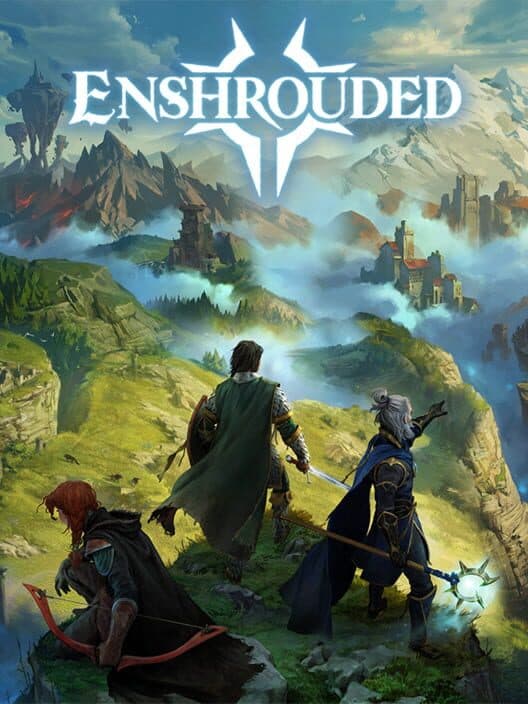
Keen Games • 2024 • PC (Microsoft Windows), PlayStation 5, Xbox Series X|S
Yes, Enshrouded is worth it if you want exploration and building to matter as much as fighting. Its best hook is the feeling of reclaiming a ruined world piece by piece: a risky trip into the fog comes back as better gear, new crafting options, and a base that slowly turns from shelter into a home. The combat is decent rather than amazing, so this lands best for players who enjoy planning routes, gathering materials, and shaping their own space. It asks for steady attention during expeditions and a real time investment before the bigger systems fully click, but it usually repays that time with visible progress every session. Buy at full price if the building system and handcrafted world are the main draw. Wait for a sale if you care more about combat polish or you are sensitive to technical rough edges. Skip it if you want short, tidy missions or a story-first adventure that drives everything forward for you.

Keen Games • 2024 • PC (Microsoft Windows), PlayStation 5, Xbox Series X|S
Yes, Enshrouded is worth it if you want exploration and building to matter as much as fighting. Its best hook is the feeling of reclaiming a ruined world piece by piece: a risky trip into the fog comes back as better gear, new crafting options, and a base that slowly turns from shelter into a home. The combat is decent rather than amazing, so this lands best for players who enjoy planning routes, gathering materials, and shaping their own space. It asks for steady attention during expeditions and a real time investment before the bigger systems fully click, but it usually repays that time with visible progress every session. Buy at full price if the building system and handcrafted world are the main draw. Wait for a sale if you care more about combat polish or you are sensitive to technical rough edges. Skip it if you want short, tidy missions or a story-first adventure that drives everything forward for you.
Players regularly call construction the standout feature. Flexible voxel tools and cozy furnishing turn resource runs into visible upgrades you can actually feel proud of.
This is the most common knock. Fights work, but many players say enemy types repeat often and bosses do not always match the strength of building and exploration.
Some players enjoy the clearer goals from quests, rescued crafters, and recipe unlocks. Others feel the material chains and travel chores drag the pace down.
Climbing, gliding, towers, and hidden caves make the world feel hand-placed instead of random. Many players stay hooked simply because moving through it feels good.
Stutter, bugs, and server or stability hiccups show up often in feedback, especially in bigger sessions or on weaker setups, though patches may improve this over time.
A lot of players like that it mixes danger with comfort. You still manage gear, crafting, and risky expeditions, but it is less punishing than harsher survival games.
Players regularly call construction the standout feature. Flexible voxel tools and cozy furnishing turn resource runs into visible upgrades you can actually feel proud of.
Climbing, gliding, towers, and hidden caves make the world feel hand-placed instead of random. Many players stay hooked simply because moving through it feels good.
A lot of players like that it mixes danger with comfort. You still manage gear, crafting, and risky expeditions, but it is less punishing than harsher survival games.
This is the most common knock. Fights work, but many players say enemy types repeat often and bosses do not always match the strength of building and exploration.
Stutter, bugs, and server or stability hiccups show up often in feedback, especially in bigger sessions or on weaker setups, though patches may improve this over time.
Some players enjoy the clearer goals from quests, rescued crafters, and recipe unlocks. Others feel the material chains and travel chores drag the pace down.
It works in evening chunks, but the bigger payoff takes dozens of hours and unfinished errands can easily stretch a planned short session.
Enshrouded fits evening play better than many survival games, but it still asks for a real long-term relationship. A satisfying run for most people lands around 30 to 50 hours, once you have seen several regions, rescued the key craftspeople, built a real home, and cleared the major progression gates. Single sessions can work well in 60 to 90 minutes because there are natural break points when you return to a Flame Altar, unload loot, or finish a crafting goal. The catch is that the game is very good at growing side errands. One cave turns into two, one recipe unlock sends you after three materials, and one wall placement becomes a full room remodel. Saving is good enough for normal life interruptions, but not as frictionless as a true pause-anywhere game. Coming back after a week also takes a little mental reboot while you remember your build and goals. It asks for consistent check-ins more than marathon play, then rewards that consistency with visible, session-by-session progress you can literally walk around inside.
Most nights ask for steady attention, route planning, and light combat reads, but base time gives you room to breathe between more alert exploration runs.
Enshrouded asks for steady, mid-level attention rather than nonstop tunnel vision. Once you leave your base, you are usually juggling route planning, stamina, gliding angles, inventory space, and light combat reads at the same time. The world is vertical enough that where you stand matters, and the Shroud adds extra pressure because bad pathing can cost time and a corpse run. That sounds heavier than it feels in practice because the game keeps giving you calm stretches to reset. You can spend ten minutes sorting loot, checking recipes, or adding a wall to your hall before heading back out. The payoff is a rhythm that works well if you like thinking ahead without living in constant twitch mode. It asks you to stay present during expeditions, then rewards that attention with smoother routes, safer returns, and the feeling that every trip out fit into a larger plan. Just do not expect to play it comfortably as a background game during dangerous runs.
Basics come together in a few sessions, while crafting chains, build choices, and movement tricks add satisfying depth without demanding expert-level execution.
Enshrouded is fairly easy to start and noticeably slower to truly settle into. You can learn the basics of moving, fighting, gathering, and placing a simple base in the first few hours. The extra layer comes from how many systems gradually stack together. You are learning which survivor makes what, how crafting stations connect, which resources bottleneck upgrades, how the Shroud changes planning, and what kind of character build actually suits your play style. That sounds like a lot, but the game rarely teaches through cruelty. Most mistakes cost time and momentum, not a destroyed run. Combat also helps here. It rewards readable dodges, positioning, and preparation more than perfect precision. So the game asks for patience and a willingness to absorb several linked systems over multiple evenings, then rewards you with a satisfying sense of competence. A week later, you are not just stronger on paper. You are moving through the world better, packing smarter, and spending less time on wasteful detours or bad crafting choices.
Pressure comes in waves: calm crafting at home, then real stakes in the Shroud or boss fights, with room to reset before burnout sets in.
This is not a constant heart-race game, but it definitely has teeth. Most of the night feels adventurous and alert, not overwhelming. The spikes come when you push into the Shroud, fight a tougher boss, or try to recover your gear from a bad death in a hostile area. In those moments, the timer, stamina use, and risk of losing more time on a second mistake create real tension. The good news is that the game also gives you built-in relief valves. You can back out, regroup, improve gear, or spend time building at home instead of forcing another high-pressure run. That balance makes the stress feel more like good adventure pressure than a constant drain. It asks you to accept occasional setbacks and some genuine danger, then pays you back with strong homecoming moments: you make it out alive, unload your haul, and see your character and base become safer and stronger. If you want pure cozy vibes, it can still be too sharp. If you want nonstop punishment, it is gentler than that too.
Games with a similar rhythm and feel, even if they look different