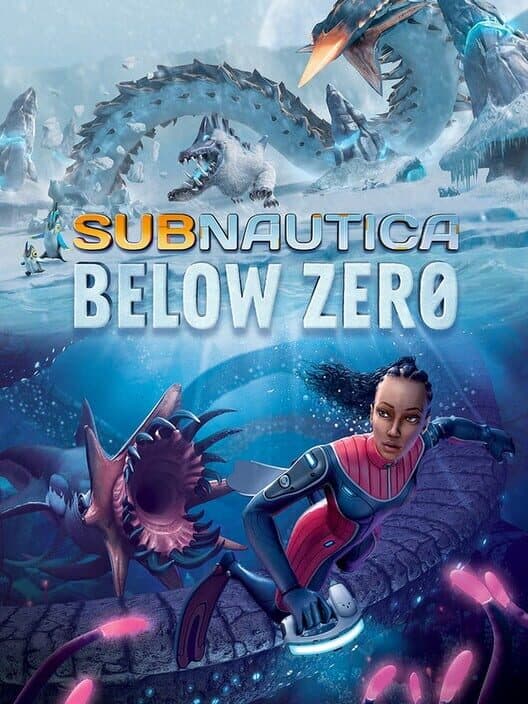
Unknown Worlds Entertainment • 2021 • PlayStation 4, PC (Microsoft Windows), Mac, PlayStation 5, Xbox One, Nintendo Switch, Xbox Series X|S
Yes, Subnautica: Below Zero is worth it if you want exploration that feels personal and a survival loop that turns fear into confidence. Its best moments come from small self-made victories: finding the mineral you needed, building a safer base, or returning to a once-terrifying area with the right upgrade and realizing it no longer owns you. The world is beautiful, the audio is fantastic, and the steady unlock loop makes 60 to 90 minutes feel well spent. The tradeoff is that it asks for attention and a little patience. You need to remember routes, manage supplies, and accept some navigation friction. It is also not as mysterious or overwhelming as the first game, which some players miss. Buy at full price if calm crafting mixed with sharp underwater tension sounds great and you like making your own goals. Wait for a sale if you mainly want a guided story or heavy action. Skip it if getting lost quickly stops being fun.

Unknown Worlds Entertainment • 2021 • PlayStation 4, PC (Microsoft Windows), Mac, PlayStation 5, Xbox One, Nintendo Switch, Xbox Series X|S
Yes, Subnautica: Below Zero is worth it if you want exploration that feels personal and a survival loop that turns fear into confidence. Its best moments come from small self-made victories: finding the mineral you needed, building a safer base, or returning to a once-terrifying area with the right upgrade and realizing it no longer owns you. The world is beautiful, the audio is fantastic, and the steady unlock loop makes 60 to 90 minutes feel well spent. The tradeoff is that it asks for attention and a little patience. You need to remember routes, manage supplies, and accept some navigation friction. It is also not as mysterious or overwhelming as the first game, which some players miss. Buy at full price if calm crafting mixed with sharp underwater tension sounds great and you like making your own goals. Wait for a sale if you mainly want a guided story or heavy action. Skip it if getting lost quickly stops being fun.
Players consistently praise the lighting, creature sounds, and biome variety. Even routine travel feels tense and beautiful, which keeps the world memorable.
A common complaint is that this journey feels more compact and directed than the first game, with less of that overwhelming lonely wonder.
Some enjoy the stronger story framing and character presence, while others miss the quieter feeling of discovering everything more alone.
Reviews often highlight the satisfying loop of finding fragments, crafting a new tool, and immediately using it to reach a deeper or safer area.
Above-water stretches and some traversal friction are often seen as weaker than the underwater loop, interrupting the game's strongest sense of flow.
Players consistently praise the lighting, creature sounds, and biome variety. Even routine travel feels tense and beautiful, which keeps the world memorable.
Reviews often highlight the satisfying loop of finding fragments, crafting a new tool, and immediately using it to reach a deeper or safer area.
A common complaint is that this journey feels more compact and directed than the first game, with less of that overwhelming lonely wonder.
Above-water stretches and some traversal friction are often seen as weaker than the underwater loop, interrupting the game's strongest sense of flow.
Some enjoy the stronger story framing and character presence, while others miss the quieter feeling of discovering everything more alone.
It fits weeknight sessions well, but it rewards regular play because objectives live in your notes, beacon names, and memory more than a strict checklist.
For most people, this fits a few weeknight sessions better than an all-consuming hobby. You can pause instantly and save from the menu, so household interruptions are not a deal-breaker. A good session often lasts 60 to 90 minutes: enough time to gather materials, explore a little farther, and come home with a blueprint, upgrade, or better route. The catch is that the game relies heavily on your own memory. It does not always tell you exactly what to do next, so returning after a week away can mean reopening lockers, checking pinned recipes, and reminding yourself why a certain beacon mattered. It is also built entirely for solo play, which helps a lot if your schedule is uneven. No one is waiting on you, and there is no online obligation. Expect around 20 to 30 hours to feel like you truly saw what it offers, with more time if you enjoy base projects or thorough exploration. It works in chunks, but regular play makes the journey much smoother.
Most sessions are thoughtful dives where you track routes, oxygen, power, and landmarks, then snap to full attention when a wrong turn or predator changes everything.
Below Zero asks for steady attention, not nonstop twitch play. Most of the work is mental: remembering where that cave mouth was, deciding whether you have enough oxygen and battery for one more scan, and reading the water for danger before it reaches you. The game is at its best when you are fully present, because landmarks, depth, sound cues, and your own supply state all matter at once. You can pause instantly, which makes real-life interruptions easy to handle, but while you are actually moving through the world it does not tolerate much distracted play. The payoff for that attention is strong immersion. A short trip can feel meaningful because you are not just checking boxes. You are learning routes, building confidence, and turning a once-scary biome into familiar territory. If you enjoy planning a dive, carrying backup power, and making small risk calls every few minutes, the game feels absorbing rather than exhausting.
The first hours feel awkward on purpose, but once tools, recipes, and biomes click together, progress becomes steady and very satisfying.
The learning curve sits in a nice middle space between approachable and self-driven. The basic verbs are simple: scan, gather, craft, build, and go deeper. What takes time is understanding how those pieces connect. Important progress often comes from noticing clues, remembering where a resource came from, and realizing that one new module solves three old problems at once. The game explains enough to get you moving, but it still expects curiosity and experimentation. That can make the opening hours feel a little awkward, especially if you want a clean quest trail or exact instructions. Once the survival loop clicks, though, growth feels great. Your skill is not about perfect execution so much as better judgment. You start making safer routes, bringing the right tools, and reading creature behavior with less panic. Mistakes usually cost time and materials rather than the whole run, so learning feels firm but fair. If you like figuring things out through play instead of through long tutorials, it rewards you nicely.
It swings between cozy base chores and real underwater nerves, with fear driven more by darkness, sounds, and getting lost than by hard combat.
This is more nerve-wracking than punishing. Long stretches are calm: sorting lockers, crafting modules, or cruising through a route you already know. Then a creature roar, fading oxygen meter, or dark cave turn can spike your heart rate fast. The stress comes from vulnerability and uncertainty more than hard combat. You are usually not being asked to win a demanding fight. You are deciding whether to push deeper, retreat, or improvise before a manageable problem becomes a disaster. That makes the mood easy to love if you want suspense without constant brutality. It can feel rough, though, if underwater darkness or getting lost already bothers you. The good news is that setbacks are usually recoverable, and preparation lowers the pressure a lot. Better tanks, safer vehicles, extra batteries, and a known route turn many scary moments into controlled ones. It is tense in a memorable, story-you-tell-later way, not relentlessly punishing.
Games with a similar rhythm and feel, even if they look different