hello@slated.gg
Powered by IGDB•Privacy•Terms

© 2026 Slated.gg

Slated.gg
Popular GamesAboutDiscover Games
Starcraft

Blizzard Entertainment • 2030 • PC (Microsoft Windows)
Easy to jump intoStory-driven
Starcraft cover art

Starcraft

Blizzard Entertainment • 2030 • PC (Microsoft Windows)

Easy to jump intoStory-driven

Is Starcraft Worth It?

Promising, but not a confident full-price recommendation yet because StarCraft's 2030 reboot is still mostly a pitch, not a proven game. If Blizzard delivers on the current vision, this could be worth it for players who want a dark solo campaign with room to explore, gear up, and tackle missions at their own pace. The big draw is the mix: grounded firefights, StarCraft atmosphere, and a clear beginning-to-end story instead of a live-service grind. It looks like it will ask for real attention in combat and some memory between sessions, but not organized group time or endless ranked practice. Buy at full price only if you already love this universe and you are excited by the idea of StarCraft becoming a story-driven shooter. Most people should wait for gameplay, reviews, and final save and progression details. Skip it if what you really want is classic base-building strategy, competitive ladder tension, or proof that the open-world direction actually works before you spend money.

What is Starcraft like?

Opinions of Starcraft

What Players Love

  • Players Love

    Fans are excited simply to see StarCraft return

    Even skeptical reactions often start with real excitement that Blizzard is touching StarCraft again. The trailer's grim tone and high production values help keep that goodwill alive.

  • Players Love

    Finite boxed story earns trust from wary players

    Many players like hearing this will have a clear ending instead of a seasonal grind. That promise makes the project easier to root for before gameplay details arrive.

Common Concerns

  • Common Concern

    Moving away from RTS remains the biggest sticking point

    The biggest worry is that StarCraft's return is no longer about base building, armies, and classic strategy play. For many fans, that shift changes the fantasy itself.

  • Common Concern

    Early reveal and 2030 target still create skepticism

    A four-year wait with very little actual gameplay makes even interested players cautious. The distance between reveal hype and proof is a major source of doubt.

What does Starcraft demand from you?

Time

MODERATE

Time

This seems built for regular evening sessions, with solo freedom and flexible pacing, though checkpoint saving may still make clean exits important.

MODERATE

This looks promising for people who want a meaty solo campaign without a second job. The expected finish line is probably the main story plus enough wandering and upgrades to feel settled in the world, which likely means several weeks of regular evenings rather than months of endless maintenance. It asks for some memory between sessions, because open-world games always leave you tracking missions, gear, and map position. But it also seems designed to give you options: push a major quest, clear smaller objectives, or just roam and improve your setup. That flexibility is the main selling point for a busy schedule. Single-player design and full pause should make real-life interruptions much easier than co-op or competitive games. The main caveat is stopping cleanly. If the final version relies on checkpoints more than manual saves, you may still want to end sessions at safe hubs or after objective turn-ins. Coming back after a long break probably will not be instant, but it also should not require a full relearn. As pitched, this looks manageable in 60 to 90 minute chunks.

Tips
  • End sessions after a quest turn-in or safe hub visit so checkpoints, inventory management, and your next objective all line up cleanly.
  • Keep a short phone note with your current mission and favorite gear setup if you expect long gaps between play sessions.
  • Save bigger story pushes for nights with ninety minutes, and use shorter sessions for roaming, upgrades, or cleanup objectives.

Focus

MODERATE

Focus

Most nights ask for steady shooter attention, not old RTS brain-burn: watch angles, read the field, and make quick route and gear choices.

MODERATE

Based on the current reveal, this looks like the kind of game that wants your full attention in combat but relaxes a bit between fights. In a mission, you will probably be scanning sightlines, moving between cover, deciding which threat matters most, and keeping your gear and route in mind at the same time. That is a steady ask, but not the same kind of all-brain load as the old RTS games. It asks for quick reading of the battlefield and solid moment-to-moment awareness, then pays you back with that satisfying shooter flow where smart positioning makes you feel in control. The open world should add smaller planning choices before and after the action: where to go next, whether to push the story, and when to roam for upgrades. This means it probably will not be great background play for podcasts or heavy multitasking. If you like action games that make you stay present without turning every second into a panic test, the announced direction looks like a good middle ground.

Tips
  • Use side objectives as warm-up runs before story missions, especially after a week away, so your aim and map sense come back naturally.
  • Before quitting, open the map and mark your next goal so the next session starts with direction instead of ten minutes of reorientation.
  • If loadout presets exist, keep one simple all-purpose build for short weeknight sessions rather than over-tuning gear every time.

Challenge

MODERATE

Challenge

The early ramp should feel like a mainstream action game: learn enemy types, settle into your loadout, and get comfortable over a few nights.

MODERATE

The early learning ask looks moderate, not brutal. If Blizzard sticks close to what it is describing, most people should understand the basics within a few nights: shoot well, use cover, learn enemy types, improve gear, and pick when to take on harder objectives. It asks for steady familiarity rather than obsession. In return, you should get that nice sense of growing competence as you read encounters better and stop treating every fight like a scramble. The biggest unknown is how many systems sit underneath the shooting. If upgrades, armor effects, and mission prep stay clean and readable, this could be friendly to players who only get a few sessions per week. If those systems become dense or underexplained, the ramp could steepen fast. Right now, the safest expectation is something closer to a polished mainstream action game than a punishing mastery piece. Mistakes also sound likely to cost time more than everything, because the stated loop encourages regrouping instead of slamming into the same wall.

Tips
  • Treat the first few nights as enemy-study time; learning what each threat wants from you will matter more than perfect accuracy.
  • Spend early upgrades on survivability or flexibility first if possible, because longer fights usually teach more than risky burst-damage builds.
  • Alternate one story push with one lower-pressure roam session to learn systems without tying every night to a harder mission.

Intensity

MODERATE

Intensity

Expect tense firefights and a grim war mood, but also room to back off, regroup, and return stronger instead of suffering constant punishment.

MODERATE

This seems built around bursts of frontline pressure rather than nonstop punishment. Firefights, alien swarms, and a grim war setting should raise your pulse, especially in story missions, but Blizzard's own pitch suggests the game will let you step back, regroup, and return later. That is important. It asks you to handle danger in the moment, then rewards you with relief, momentum, and the feeling that preparation matters. The likely stress here is good action stress more than controller-clenching misery. Think urgent combat, low safety, and real stakes, but not the kind of relentless despair you get from survival horror or brutally punitive games. On normal difficulty, most players should feel pushed rather than crushed, especially if side content really does help you gear up. The grim tone could still make weeknight sessions feel heavier than a breezy adventure, so this may land best when you want tension and momentum, not when you are looking to fully switch your brain off.

Tips
  • If a story mission starts feeling too hot, leave, explore, upgrade armor, and come back later; that retreat loop seems part of the design.
  • Play this when you want momentum and focus, not as your last low-energy half hour before bed.
  • Tweak aim and camera settings early, because a slightly calmer feel can turn messy fights from stressful to exciting.

Frequently Asked Questions

It does not look brutally hard, but it probably will not be a laid-back power fantasy either. Based on the current pitch, expect something closer to Horizon Zero Dawn or Far Cry on normal than Doom Eternal at high skill or any Soulslike. The likely challenge comes from staying aware in real-time fights: using cover, reading enemy types, picking targets fast, and knowing when to back off and upgrade before trying again. That means the game should be easy enough to learn in a few sessions, while still giving you room to improve over time. The good news is Blizzard has explicitly described a loop where you can leave a hard mission, explore, scavenge, strengthen your loadout, and return later. That usually feels fairer than banging your head against one wall. The harder part may be keeping track of your build and mission state if you only play occasionally. If you enjoy modern action games, the announced direction sounds manageable. If you want a very gentle sightseeing experience or hate real-time shooting pressure, it may still feel demanding.

Because the game is unreleased, any estimate is provisional, but the current pitch suggests roughly 20 to 30 hours for a main-path playthrough and 30 to 45 hours if you do a healthy amount of side content. That is based on Blizzard describing a finite boxed story inside a larger open world, not an endless service game. For most people, this looks like a game you will sample in 60 to 90 minute sessions: one substantial story mission, or a few smaller objectives plus some gear tinkering and travel. The likely done point is finishing the story and doing enough exploration and upgrades to feel settled in the world, not clearing every icon on the map. Replay value may exist through different loadouts or route choices, but nothing announced suggests a huge second-life mode yet. Saving looks like the main unknown. If the final version leans on checkpoints, it should still fit busy weeks, but you will want to stop at mission breaks or safe areas instead of quitting at totally random moments.

Yes, it looks moderately stressful in a good action-game way. The current reveal points to dark war zones, alien threats, and firefights that should raise your pulse, especially during story missions. This seems more like satisfying pressure than miserable pressure: stay sharp, move well, survive the encounter, then use the open world to breathe, resupply, and reset. That matters because Blizzard has already said the intended loop lets you step away from a wall, roam, improve your gear, and come back later. So the stress is likely to come in waves, not as nonstop punishment. Based on the pitch, this should feel less oppressive than survival horror and less punishing than a hardcore extraction game. It is probably closer to a modern action campaign with a grim tone and regular danger. The theme may still feel heavy if you are tired, because the mood is serious and the violence does not look screen-safe. Best time to play is when you want momentum and focus. Worst time is when you want something cozy or half-attentive.

Yes, assuming Blizzard keeps the current plan, this looks built for solo, stop-and-start play better than most big action games. The whole pitch is a single-player boxed campaign, so there are no raid schedules, ranked ladders, or co-op obligations hanging over your night. That is a huge plus if you play in 60 to 90 minute chunks. The announced loop also sounds helpful for casual play: if a story mission gets rough, you are supposed to back out, roam, scavenge, improve your armor, and return later instead of brute-forcing one hard wall. Full pause should help with real-life interruptions too. The main caution is save behavior. Public details still point toward checkpoints rather than full save-anywhere freedom, so you may need to end sessions at cleaner break points. Coming back after a week away probably will not be instant, but it should be manageable with a quick objective check and loadout review. So yes, this looks casual-friendly in structure, even if the combat itself will still want your full attention.

No, nothing announced suggests pay-to-win. Blizzard is describing this as a boxed single-player game with a beginning, middle, and end, not a seasonal live-service grind. In that kind of structure, there usually is not even a meaningful place for pay-to-win because you are not competing on a ladder or trying to keep up with other players' gear. The current revenue plan points to a one-time purchase, and there are no confirmed boosters, power bundles, time-savers, battle passes, or paid advantage systems. That said, the game is still far from release, so it is smart to keep one small asterisk in mind. Blizzard has not fully detailed editions, cosmetic extras, or any post-launch add-ons yet. But based on everything public right now, the safest answer is simple: this does not look pay-to-win at all. If monetization changes later, the concern would more likely be cosmetic packs or story add-ons, not paying for stronger weapons or an easier path through the main campaign.

You Might Also Like

Games with a similar rhythm and feel, even if they look different
Explore more→
Control game cover art

Control

Time
MODERATE
Focus
MODERATE
Challenge
MODERATE
Intensity
MODERATE
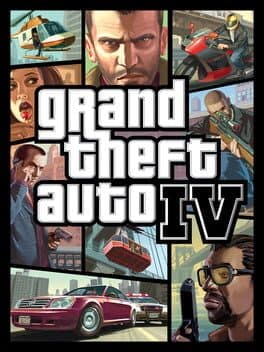
Grand Theft Auto IV game cover art
Easy to jump into

Grand Theft Auto IV

Time
MODERATE
Focus
MODERATE
Challenge
LOW
Intensity
MODERATE
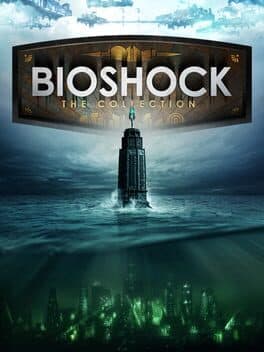
BioShock: The Collection game cover art
Easy to jump intoStory-driven

BioShock: The Collection

Time
MODERATE
Focus
MODERATE
Challenge
LOW
Intensity
MODERATE
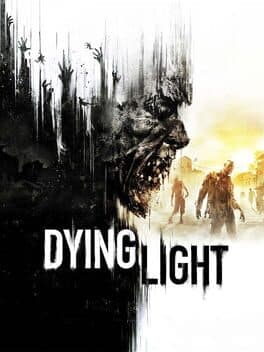
Dying Light game cover art

Dying Light

Time
MODERATE
Focus
HIGH
Challenge
MODERATE
Intensity
HIGH
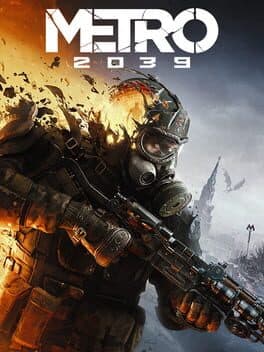
Metro 2039 game cover art

Metro 2039

Time
MODERATE
Focus
HIGH
Challenge
MODERATE
Intensity
HIGH
Cyberpunk 2077: Phantom Liberty game cover art
Story-driven

Cyberpunk 2077: Phantom Liberty

Time
MODERATE
Focus
MODERATE
Challenge
MODERATE
Intensity
MODERATE
← Back to Home