Take-Two Interactive • 2008 • PlayStation 3, PC (Microsoft Windows), Xbox 360
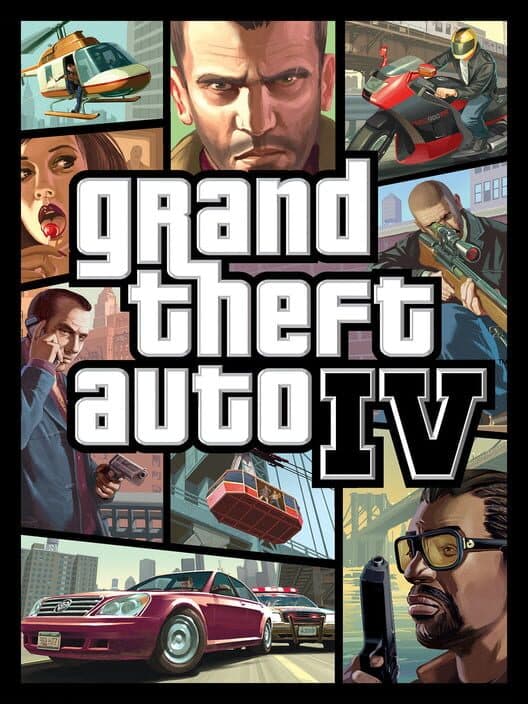
Grand Theft Auto IV
Take-Two Interactive • 2008 • PlayStation 3, PC (Microsoft Windows), Xbox 360
Is Grand Theft Auto IV Worth It?
Yes, Grand Theft Auto IV is still worth it if you want a grounded crime story, a memorable lead, and a city with real mood. Its biggest strengths are Niko Bellic and Liberty City itself. Just driving across town, hearing the radio, and watching the city react can be as memorable as the missions. The catch is that this is an older game, and you feel that age. The driving is heavy, checkpoints are less kind than modern action games, and the PC version can still be fussy. Buy at full price only if you already know you love Rockstar's older, rougher style or you badly want this specific story. For most people, it is smartest as a sale pick, especially on PC. Skip it if you want snappy controls, quick restarts, and constant momentum. But if you can meet it on its own terms, GTA IV still delivers something rare: a sad, funny, lived-in city drama that feels different from the louder open-world games that followed.
What is Grand Theft Auto IV like?
Opinions of Grand Theft Auto IV
What Players Love
- Players Love
Niko Bellic still feels like a standout lead
Players still praise Niko as one of the series' strongest leads. His weary humor and personal stakes give the story more weight than a usual crime power fantasy.
- Players Love
Liberty City atmosphere makes even aimless free-roam memorable
Many players love simply moving through the city. Traffic noise, radio satire, heavy cars, and ragdoll physics make the world feel tangible between missions.
Common Concerns
- Common Concern
PC setup and performance problems still hurt first impressions
Stutter, launcher hassle, and uneven settings behavior remain common complaints on PC. For some players, the biggest obstacle is getting the game running cleanly.
- Common Concern
Older mission checkpoints can make failure feel wasteful
The game is not brutally hard, but repeated drives, tailing sections, and longer restarts can make mistakes feel more annoying than exciting by modern standards.
Divisive Aspects
- Divisive
Heavy driving and movement feel real or clumsy
One group loves the extra vehicle weight and grounded movement because it boosts immersion. Another finds both dated and awkward compared with later open-world games.
What does Grand Theft Auto IV demand from you?
Time
MODERATETime
A month of relaxed sessions is enough to finish the story, though missions are best tackled start to finish because stopping midstream can waste time.
Focus
MODERATEFocus
Driving, GPS navigation, and messy firefights keep your eyes busy, but the thinking stays practical and readable instead of deeply technical or lightning fast.
Challenge
LOWChallenge
The basics click quickly, but the weighty driving, older shooting feel, and less generous mission structure ask for patience before everything feels natural.
Intensity
MODERATEIntensity
Calm city cruising breaks up sharp bursts of chase and gunfight pressure, so the stress comes in spikes and restarts sting more than death itself.
Frequently Asked Questions
You Might Also Like
Games with a similar rhythm and feel, even if they look different