Powered by IGDB•Privacy•Terms

© 2026 Slated.gg

Slated.gg
Popular GamesAbout

Dying Light

Techland • 2015 • PlayStation 4, Linux, PC (Microsoft Windows), Mac, Xbox One
Approachable but deepSatisfying to complete

Is Dying Light Worth It?

Dying Light is worth playing if you enjoy first-person action and can handle a good amount of horror tension and gore. The big draw is how movement, melee combat, and the day–night cycle all work together: parkouring across rooftops by day feels empowering, and your first successful escape from a night chase is the kind of story you’ll remember. Most sessions give you clear progress in the form of experience, new abilities, and better gear, so it fits well into a mid-length campaign spread over a few weeks. The main trade-offs are stress and repetition. Night segments can be genuinely nerve-wracking, and some side quests boil down to more scavenging runs. If you mainly want a deep, emotional story or relaxed exploration, this probably isn’t the right fit. But if you’re okay with a scary atmosphere and like the idea of turning from hunted victim into agile hunter over 20–35 hours, it’s an easy recommendation, especially at a discount or in a modern bundle.

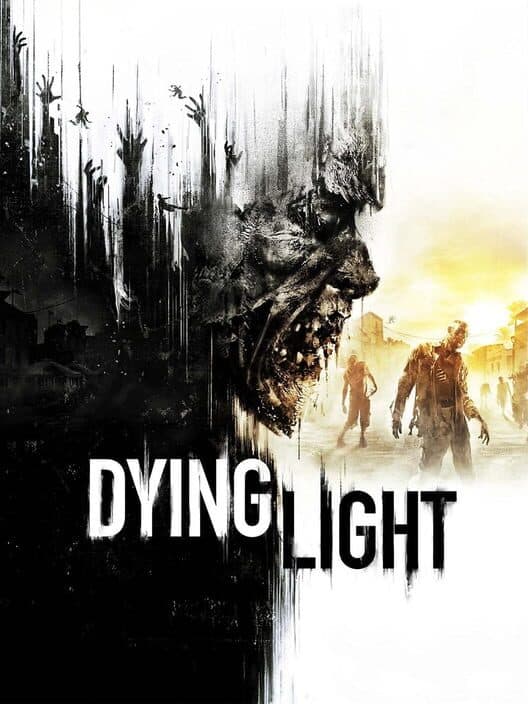
Dying Light cover art

Dying Light

Techland • 2015 • PlayStation 4, Linux, PC (Microsoft Windows), Mac, Xbox One

Approachable but deepSatisfying to complete

Is Dying Light Worth It?

Dying Light is worth playing if you enjoy first-person action and can handle a good amount of horror tension and gore. The big draw is how movement, melee combat, and the day–night cycle all work together: parkouring across rooftops by day feels empowering, and your first successful escape from a night chase is the kind of story you’ll remember. Most sessions give you clear progress in the form of experience, new abilities, and better gear, so it fits well into a mid-length campaign spread over a few weeks. The main trade-offs are stress and repetition. Night segments can be genuinely nerve-wracking, and some side quests boil down to more scavenging runs. If you mainly want a deep, emotional story or relaxed exploration, this probably isn’t the right fit. But if you’re okay with a scary atmosphere and like the idea of turning from hunted victim into agile hunter over 20–35 hours, it’s an easy recommendation, especially at a discount or in a modern bundle.

What is Dying Light like?

What does Dying Light demand from you?

Commitment

MODERATE

Commitment

The campaign is a mid-length journey with clear mission endpoints and frequent autosaves, workable for 60–90 minute weeknight sessions.

MODERATE

Dying Light fits into a medium-sized slot in your gaming life. For a typical adult focusing on the main story and a selection of side quests, you’re looking at roughly 20–35 hours to feel fully satisfied. That’s long enough to grow attached to your character’s journey, but not so huge that it takes over your calendar for months. The structure supports busy schedules. Safe houses, quest completions, and the shift from day to night all act as natural session boundaries. In solo play you can pause freely and autosaves are generous, so real-life interruptions rarely erase more than a few minutes. Picking the game back up after a week or two is manageable thanks to clear quest tracking and a straightforward plot. Co-op is drop-in and doesn’t demand fixed groups or raid-style planning. You can easily play solo most of the time and schedule occasional joint sessions. Overall, it’s a commitment, but one that fits comfortably into a few weeks of regular evening play.

Tips

  • Plan sessions around one or two quests, ending when you return to a safe house and spend new skill points for a clean stopping point.
  • When life is busy, steer toward the main story and nearby side quests, saving quarantine zones and long night runs for weekends.
  • If you’ll be away for a bit, stop right after a mission completion so cutscenes and the quest log naturally refresh your memory when you return.

Focus

MODERATE

Focus

You’ll need steady attention for movement, threats, and timing, with more quick reactions than deep planning, so it’s not ideal for multitasking or half-watching TV.

MODERATE

Playing Dying Light asks for a solid, continuous level of attention. You’re constantly scanning rooftops and streets for safe routes, watching the clock to judge how close night is, and weighing whether a group of zombies is worth engaging or better avoided. Most decisions have to be made on the fly: a bad jump, mistimed dodge, or missed audio cue can quickly snowball into being grabbed or cornered. This is a game where your eyes and ears need to stay on the screen rather than drifting to a second monitor or background show. Moment to moment, it leans more on reflex and spatial awareness than on long-term planning. You do some light thinking about loadouts and crafting, but the real work is reading the environment and reacting in time. For a busy adult, that means it’s great when you have real mental energy and want to be absorbed, but it’s less suited to half-tired, half-distracted sessions.

Tips

  • If you’re tired, stick to daytime scavenging and easy side quests, saving night runs or tough missions for when you’re more alert.
  • Use safe houses as mental pit stops: pop back in to craft, organize inventory, and reset your bearings instead of pushing while distracted.
  • Turn up audio and trim HUD clutter so important sounds and cues stand out without forcing you to stare at every corner of the screen.

Mastery

MODERATE

Mastery

It takes a few evenings to click with the movement and combat, but each new skill noticeably expands what you can survive and pull off.

MODERATE

Getting comfortable with Dying Light is less about memorizing systems and more about letting the controls and movement sink into your hands. The first hours can feel awkward: judging jump distances, managing stamina, and keeping your aim steady in first person while things grab at you takes practice. Usually, after five to ten hours you’ll feel the switch from clumsy and reactive to proactive and in control. Skill growth pays off in a satisfying, tangible way. As you unlock abilities and improve your timing, you’ll chain rooftop runs, use dropkicks and traps intelligently, and handle crowds that would have shredded you before. At the same time, progression systems and gear mean you don’t have to play perfectly to succeed; better weapons and more health give extra cushion. For a time-limited adult, this balance is kind. It rewards sticking with it and getting better, but it doesn’t demand competitive-level precision to enjoy the full campaign on normal settings.

Tips

  • Early on, practice short parkour loops near safe houses so you can experiment with jumps and vaults without big consequences for missed moves.
  • Invest first in movement and escape skills so you can reliably run from trouble; surviving lets you learn combat at your own pace.
  • Adjust sensitivity and controls until sprinting, jumping, and looking around feel natural, since physical comfort does more for mastery here than memorizing complex combos.

Intensity

MODERATE

Intensity

Expect tense exploration with genuinely scary spikes during night chases, creating more adrenaline than a typical action game but not nonstop panic.

MODERATE

Emotionally, Dying Light runs hotter than most open-world action games. The setting is bleak, the gore is graphic, and the soundscape—groans, screams, and sudden roars—keeps you on edge. The biggest spikes come at night, when fast, brutal predators hunt you down and chases can feel genuinely panicky. Reaching a safe zone at dawn often brings that shaky, laughing relief you get after a good jump scare. Challenge-wise, it sits around the middle. On default difficulty you’ll die if you’re careless, but the game usually gives you ways to retreat, heal, or re-approach encounters. Failure costs experience and some time, not your entire evening. A lot of the “hardness” comes from pressure and fear rather than pure mechanical cruelty. For a busy adult, this means it’s great when you want something thrilling and engaging, but not when you’re seeking a soothing cool-down. You can moderate the stress by avoiding nights or dropping the difficulty, but it never becomes cozy.

Tips

  • If horror wears you out, spend most sessions in daylight and tackle short, planned night runs only when you feel fresh and curious.
  • Lower the difficulty if repeated deaths start to frustrate you; the game stays tense without needing high punishment to be exciting.
  • End sessions after a big night chase or story climax so you finish on a high note instead of grinding through while frazzled.

Frequently Asked Questions

You Might Also Like

Games with a similar rhythm and feel, even if they look different
Dying Light 2: Stay Human game cover art

Dying Light 2: Stay Human

Commitment
MODERATE
Focus
MODERATE
Mastery
MODERATE
Intensity
MODERATE
Dying Light: The Beast game cover art

Dying Light: The Beast

Commitment
MODERATE
Focus
HIGH
Mastery
MODERATE
Intensity
HIGH
Prince of Persia: The Lost Crown game cover art
Approachable but deepSatisfying to complete

Prince of Persia: The Lost Crown

Commitment
MODERATE
Focus
HIGH
Mastery
MODERATE
Intensity
MODERATE
No Rest for the Wicked game cover art
Approachable but deepSatisfying to complete

No Rest for the Wicked

Commitment
MODERATE
Focus
HIGH
Mastery
MODERATE
Intensity
HIGH
Tom Clancy's The Division 2 game cover art

Tom Clancy's The Division 2

Commitment
MODERATE
Focus
HIGH
Mastery
MODERATE
Intensity
MODERATE
Monster Hunter: World game cover art
Approachable but deep

Monster Hunter: World

Commitment
HIGH
Focus
HIGH
Mastery
MODERATE
Intensity
MODERATE
← Back to Home