hello@slated.gg
Powered by IGDB•Privacy•Terms

© 2026 Slated.gg

Slated.gg
Popular GamesAboutDiscover Games
Metro 2039

Deep Silver • 2027 • Xbox Series X|S, PC (Microsoft Windows), PlayStation 5
Satisfying to completePerfect for a weekendTense
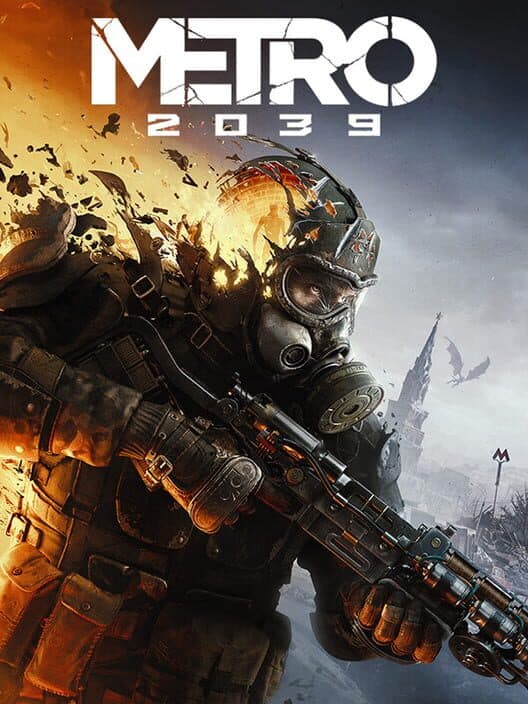
Metro 2039 cover art

Metro 2039

Deep Silver • 2027 • Xbox Series X|S, PC (Microsoft Windows), PlayStation 5

Satisfying to completePerfect for a weekendTense

Is Metro 2039 Worth It?

Metro 2039 looks promising, but because it is still unreleased, most people should treat it as a strong wishlist game rather than an automatic day-one buy. If you love tense single-player campaigns, careful shooting, stealth, and bleak world-building, it already looks like a very good fit. The big draw is not endless content or player freedom. It is concentrated atmosphere: dark tunnels, scarce ammo, hand-built spaces, and a story that seems heavier and more political than a typical shooter. What it asks from you is focus and emotional energy. This does not look relaxing, social, or easy to half-play while doing something else. It also appears fairly linear, so players wanting open-ended exploration or sandbox creativity may bounce off it. Buy at full price only if you already know you want another intense Metro-style campaign and launch reviews confirm the performance and pacing. Wait for a sale if you like the premise but are unsure about the new protagonist or the tighter structure. Skip it if you want comfort play, bright escapism, or anything you can casually multitask through.

What is Metro 2039 like?

Opinions of Metro 2039

What Players Love

  • Players Love

    Return to the cramped Metro tunnels excites longtime fans

    Prerelease reaction strongly favors the move back underground, with many fans saying the tighter tunnels feel more distinctive and more tense than broader surface-heavy wandering.

  • Players Love

    Dark visuals and hand-built spaces make a strong impression

    Preview coverage and trailer reactions keep praising the dense art direction, oppressive mood, and rooms that look carefully staged rather than tossed together.

  • Players Love

    A voiced protagonist is landing well for many fans

    A noticeable group welcomes the change, saying spoken dialogue could make story scenes feel less awkward and give emotional moments more weight than before.

Divisive Aspects

  • Divisive

    The new lead sparks curiosity and some attachment worries

    Fans are interested in The Stranger, but moving away from Artyom is still a real emotional hurdle for players strongly attached to the earlier trilogy.

  • Divisive

    Tighter structure pleases some and worries Exodus fans

    Many like the story-first tunnel focus, but others hope the game keeps at least some of the wider exploration rhythm they enjoyed in Exodus.

What does Metro 2039 demand from you?

Time

MODERATE

Time

This looks built for steady weeknight progress: a finite campaign, full pause, and clear chapter flow, with some friction when returning after a break.

MODERATE

For a busy player, Metro 2039 looks reasonably manageable as long as you want a focused solo campaign rather than endless flexibility. Current estimates suggest a finishable story in the low-teens to low-twenties of hours, which usually means a few weeks of steady evening sessions, not a months-long lifestyle game. The structure also appears friendly to regular stop points. Chapters, hubs, safe areas, and checkpoints should make it easier to say, "I'll do one more section" and then actually stop. Short interruptions should be fine because this is single-player and supports full pause. The bigger issue is medium-length breaks. If you leave for a week or two, you may need a short warm-up to remember your supplies, your story context, and the cautious tempo the game expects. It also offers almost no social obligation, which is great for unpredictable schedules. In simple terms, it asks for consistency more than volume. Keep moving through it a little at a time, and it should reward you with a complete, high-impact story rather than an endless to-do list.

Tips
  • Aim to stop at shelters, stations, or chapter transitions whenever possible. Those moments should make returning much smoother next time.
  • If you are stepping away for a week, take a quick screenshot of your objective and inventory before quitting.
  • Plan for 60 to 90 minute sessions. That should be long enough to reach a meaningful checkpoint without dragging the mood thin.

Focus

HIGH

Focus

You can't half-watch this one. Even the quiet parts seem built around careful scanning, ammo awareness, and quick reactions when a threat suddenly breaks the silence.

HIGH

Based on current footage, Metro 2039 looks like a game that asks for steady, hands-on attention and pays that back with immersion. Quiet stretches are not really downtime. You're likely checking corners, listening for movement, watching light and shadow, and keeping track of limited supplies while moving through spaces that want you to feel vulnerable. That means the game probably won't work well as a second-screen experience. If you look away too long, you may miss a threat, a story detail, or a useful path. The thinking here seems practical rather than deeply abstract. You are not solving big strategy problems every minute, but you are making regular judgment calls about when to hide, when to spend ammo, and how aggressively to move. The real appeal is that the world seems dense and hand-built enough to reward that attention. Put simply, it asks you to stay mentally inside the tunnel with it, and in return it delivers atmosphere, tension, and the satisfying feeling of surviving by being careful rather than reckless.

Tips
  • Use headphones if you can. Sound cues and NPC chatter will likely do a lot of the heavy lifting for both threat warning and world-building.
  • Before pushing into a new area, top off ammo, filters, and weapon condition so you are not making panic choices mid-encounter.
  • If you stop for the night, quit from a safe room or checkpoint so your next session starts with a calmer re-entry.

Challenge

MODERATE

Challenge

It should be easier to learn than it looks, but it may punish sloppy habits. The big adjustment is Metro's careful rhythm, not a giant wall of complex mechanics.

MODERATE

This looks like a game with a moderate learning curve and a stricter attitude than many story shooters. Most players should understand the basics pretty quickly: shoot carefully, stay aware, use stealth when it saves resources, and treat the world as dangerous even when nothing is happening yet. The tougher part is learning the pace the game wants. If you play it like a power fantasy and push every fight head-on, it will probably feel much harder than intended. The good news is that the systems themselves do not appear wildly complicated. You are not studying dozens of menus or memorizing long move lists. Instead, you are building good habits. Search rooms. Think before firing. Respect chokepoints. Learn how enemies tend to rush, flank, or overwhelm you. That means the early hours may feel rough, but the learning seems readable and practical. The game asks you to slow down and absorb its rules. In return, it likely gives you the satisfying sense of getting sharper with each chapter rather than simply leveling up past problems.

Tips
  • Treat stealth as a resource tool, not a challenge run. Avoiding one loud fight may save more supplies than any perfect headshot streak.
  • Give the first few hours room to teach you the pace. Rushing because nothing attacked yet is usually when Metro-style games punish you.
  • When you die, think about position and preparation first. The fix is often route choice or ammo use, not faster aim.

Intensity

HIGH

Intensity

The pressure seems high, but mostly from dread and vulnerability rather than brutal difficulty. Expect a heavy mood, sudden danger, and sessions that leave you a little wrung out.

HIGH

Metro 2039 looks emotionally heavy in a very deliberate way. The stress is not just about dying in combat. It comes from the whole package: dark tunnels, mutant ambushes, nightmare imagery, scarce resources, and a story built around fear, propaganda, and survival. Even when you are only walking forward, the game seems designed to make you uneasy. That is great if you want a strong, memorable mood. It is a bad fit if you want a relaxing evening game. The actual difficulty appears firm but not extreme on a normal run. You will probably die sometimes, especially when rushing or overspending ammo, but the bigger weight is the atmosphere. This feels like the kind of game where your shoulders stay tense because the world is hostile, not because every encounter demands perfect execution. What it asks from you is emotional buy-in and tolerance for pressure. What it gives back is a rare kind of immersion, where every safe station feels earned and every surviving push through the dark feels like a small victory.

Tips
  • Play this when you want tension, not as a wind-down game right before bed or during a distracted, low-energy evening.
  • If the pressure starts turning frustrating, lower the difficulty early. The atmosphere should feel sharp, not exhausting.
  • Use station or shelter scenes as reset points. A few calm minutes there will likely keep longer sessions from feeling too draining.

Frequently Asked Questions

Metro 2039 looks moderately hard, not brutal. Based on the footage and series history, the challenge should come less from impossible reflex tests and more from pressure, limited resources, and bad situations that snowball when you get sloppy. If you rush rooms, waste ammo, or ignore stealth, the game will probably feel much tougher than a standard story shooter. If you move carefully and respect the pace, it should feel demanding but manageable. It also seems easier to learn than to play cleanly. Most people should understand the basics within a few hours, especially if they've played first-person action games before. The tricky part is adjusting to Metro's rhythm: checking corners, reading spaces, and making fewer but smarter moves. Think closer to the survival pressure of Resident Evil 2 Remake than the speed of DOOM, though likely less mechanically punishing than a true survival horror game. On normal difficulty, most players should be able to finish it without elite skill. The people most likely to find it too hard are those who want fast, forgiving gunplay or who dislike games that make every bullet and mistake feel important.

Right now, the safest estimate is about 12 to 18 hours for a normal story-focused run, and roughly 18 to 25 hours if you slow down for exploration, environmental details, and missed side spaces. That puts Metro 2039 in a nice middle ground: big enough to feel substantial, but not so huge that it becomes your whole gaming life for months. It also looks well suited to 60 to 90 minute sessions. The campaign seems structured around chapters, checkpoints, stations, and shelter-like exhale points, so you should get regular moments where stopping feels natural. That matters a lot for weeknight play. The main trade-off is the projected checkpoint save system. You will probably have decent stopping flexibility, but not the total freedom of a save-anywhere game. If you play around 5 to 10 hours a week, expect to finish in two to four weeks. Returning after a short break may take a few minutes because you will need to remember your supplies, objective, and the game's careful pace, but it should not require a full restart.

Yes, Metro 2039 looks stressful, and that seems very intentional. The stress should be the good kind if you enjoy dread, close calls, and survival pressure. The game appears built around dark tunnels, sudden attacks, limited resources, and a story tone full of fear, trauma, and political oppression. Even quiet stretches may keep you tense because the world itself seems hostile. The key difference is that this likely will not be stressful in a chaotic or unfair way on normal difficulty. It looks more like sustained unease than nonstop frustration. You may spend long stretches moving slowly, listening, and expecting the worst, then get hit with short bursts of real danger. That rhythm can be thrilling if you want immersion. It can also be draining if you are already tired. Best time to play it: when you want to be pulled into a heavy mood and have enough energy to stay engaged. Worst time to play it: late at night when you want to relax, or during a stop-and-start evening full of interruptions. If you dislike horror pressure, this is probably the wrong fit even if the shooting looks appealing.

Absolutely. Metro 2039 is built as a solo game from the ground up, and that is one of its clearest strengths for anyone with an unpredictable schedule. There is no announced co-op, no PvP, no group coordination, and no pressure to keep up with friends. You can move at your own pace, pause when real life intrudes, and come back without worrying that anyone else has advanced past you. That said, solo-friendly does not automatically mean casual in mood. The game still looks intense and attention-heavy. You are trading social obligation for emotional pressure. If you enjoy single-player campaigns that feel authored and self-contained, that is great news. If you usually rely on co-op chatter or social momentum to make darker games easier to handle, this could feel lonely in the intended way. For schedule fit, it actually looks pretty good. A finite campaign, offline play, and full pause are all strong signs that you can work through it in manageable sessions. The only real solo downside is that stepping away for a week may leave you needing a short recap before you feel fully settled back into the world.

No, Metro 2039 does not appear to be pay-to-win at all. Everything officially shown so far points to a standard premium single-player release. Store pages describe it like a normal boxed or digital purchase, and there is no sign of competitive modes, paid power boosts, battle passes, energy systems, or real-money gear advantages. In a solo story game, that already makes pay-to-win much less relevant, and current evidence supports a clean purchase model. Of course, it is still unreleased, so the usual small caution applies: publishers can always announce extras later. But right now there is nothing public that suggests progression shortcuts, stat advantages, or anything that would distort the core experience for people who do not spend more money. The more realistic post-launch questions are likely to be about standard extras such as cosmetic bonuses, soundtrack bundles, or later story DLC, not paying for power. If your main concern is whether the game will nickel-and-dime you just to stay effective, all current signs say no. This looks like a buy-once, play-the-campaign kind of game.

You Might Also Like

Games with a similar rhythm and feel, even if they look different
Explore more→
The Callisto Protocol game cover art
Satisfying to completePerfect for a weekend

The Callisto Protocol

Time
LOW
Focus
MODERATE
Challenge
MODERATE
Intensity
HIGH
Ill game cover art
Satisfying to completePerfect for a weekend

Ill

Time
MODERATE
Focus
HIGH
Challenge
MODERATE
Intensity
HIGH
Cronos: The New Dawn game cover art
Satisfying to completePerfect for a weekend

Cronos: The New Dawn

Time
MODERATE
Focus
HIGH
Challenge
MODERATE
Intensity
HIGH
Resident Evil 4 game cover art
Satisfying to completePerfect for a weekend

Resident Evil 4

Time
LOW
Focus
HIGH
Challenge
MODERATE
Intensity
HIGH
Resident Evil Requiem game cover art
Satisfying to completePerfect for a weekend

Resident Evil Requiem

Time
LOW
Focus
HIGH
Challenge
MODERATE
Intensity
HIGH
The Last of Us Part I game cover art
Satisfying to completePerfect for a weekend

The Last of Us Part I

Time
LOW
Focus
MODERATE
Challenge
LOW
Intensity
HIGH
← Back to Home