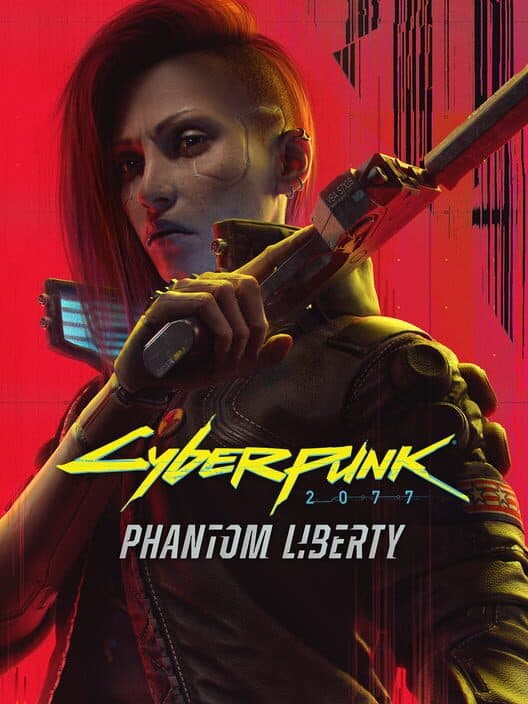
Cyberpunk 2077: Phantom Liberty

CD Projekt RED2023Xbox Series X|S, PC (Microsoft Windows), PlayStation 5, Mac
Cinematic spy-thriller campaign inside Dogtown

20–30 hour story, great in 90-minute sessions

Story choices and builds meaningfully shape outcomes

Is Cyberpunk 2077: Phantom Liberty Worth It?

Phantom Liberty is absolutely worth it if you already enjoy Cyberpunk 2077’s world and want its strongest, most focused story arc. The expansion turns Dogtown into a compact stage for a tense spy thriller, with excellent performances from Idris Elba and the returning cast. What it asks from you is a solid 15–25 hours, a tolerance for mature themes, and enough focus to handle sneaking, shooting, and dialogue choices. In return, you get a campaign that feels tighter and more reactive than much of the base game, plus new high‑level perks, weapons, and cyberware that make late‑game V more fun to play. If you bounced off Cyberpunk because you disliked the gunplay or open‑world structure, this won’t magically convert you, though its more directed missions might land better. For committed fans, it’s an easy full‑price buy. If you’re only mildly curious or still working through the base game, waiting for a sale is reasonable but you should plan to play it eventually.

When is Cyberpunk 2077: Phantom Liberty at its best?

When you already like Cyberpunk 2077 and want a concentrated, choice-heavy story arc you can work through over a few weeks of regular evening sessions.

When you have 60–90 minutes, enough focus for sneaking and shooting, and you’d rather play one tight mission than wander aimlessly around an open world.

When you’re midway through a V playthrough, enjoy your current build, and want new high-level toys, tougher encounters, and an alternate ending route that makes your choices feel weighty.

What is Cyberpunk 2077: Phantom Liberty like?

Phantom Liberty behaves like a tightly focused mini-campaign tucked inside a huge RPG. If you stay on its main track and sample some of the better side gigs, you’re looking at roughly 15–25 hours to see the heart of the story. For a busy adult playing 5–10 hours a week, that’s two to four weeks of regular evening sessions. Individual missions are usually structured enough that one or two make a satisfying night’s play, with natural breaks after big decisions or debrief scenes. The game is very friendly to real-life interruptions: you can pause almost anywhere and drop manual saves before major operations. The tradeoff is that coming back after a long break means re-reading quest logs and remembering which build you’re running. There’s no pressure to group up, schedule raids, or keep up with seasons; it’s purely single-player on your terms. Overall, it asks for a moderate, finite commitment and pays it back with a complete, well-paced story arc rather than an endless grind.

Tips

  • Plan sessions around one major job or a couple of gigs; that’s usually 60–90 minutes with a clear stopping point.
  • Manual save before starting long missions so you can safely step away mid-quest without losing key choices or progress.
  • If you’ve been away for weeks, spend a short session just driving, reading quest logs, and checking your build before tackling big missions.

Phantom Liberty asks for a steady but not overwhelming level of attention. During missions in Dogtown you’re juggling aiming, cover, quickhacks, and positioning, often while listening for clues in dialogue or radio chatter. Stealth-heavy jobs in particular reward scanning cameras, watching patrol paths, and timing your moves, so they’re not great for half-watching a show on a second screen. When you’re driving to objectives, looting, or tinkering with your build, the game relaxes and lets your brain idle a bit more. Shots don’t need esports-level precision, and generous healing plus slow‑motion tools give you time to correct mistakes, which keeps fights from feeling frantic. For a typical busy adult, this plays best when you can bring reasonable focus but don’t want the total mental drain of a hardcore strategy game or raid night. Expect to be engaged most of the time, but with enough quieter stretches that you can breathe between big decisions and set‑piece encounters.

Tips

  • Save story-heavy missions for nights when you’re fresh; do simple gigs or airdrops when you’re tired or distracted.
  • If combat feels chaotic, lean into stealth and hacking builds that slow the pace and give you more time to think.
  • Turn on aim assist or lower difficulty if you’d rather focus on choices and atmosphere than precise shooting.

From a skill perspective, Phantom Liberty is welcoming if you’ve touched Cyberpunk 2077 before and manageable even if you’re rusty. Basic shooting, sneaking, and hacking come back quickly, and the expansion introduces its new Relic abilities gradually. You’ll feel basically competent after a few missions, even on Normal. The real depth lies in leaning into a focused build and learning how Dogtown’s levels flow. As you understand sightlines, enemy behaviors, and your favorite tools, missions that once felt messy start to look almost choreographed. That said, mastery is optional rather than mandatory. You can finish the campaign just fine with a slightly sloppy build on a lower difficulty, especially if you prefer story over challenge. For players who enjoy improving, though, there’s satisfying payoff in upgrading from “barely surviving” to “cool, efficient operator.” The game asks for a modest learning push up front and rewards extra effort with smoother runs, flashier takedowns, and more freedom in how you tackle each job.

Tips

  • Treat your first few missions as practice runs to relearn controls and test your build before raising the difficulty.
  • Invest early in one clear playstyle—hacking, pistols, blades, or shotguns—so improvements feel dramatic instead of spread thin.
  • Experiment with Relic perks once you’re comfortable; they add strong tools but aren’t required to finish the story.

Emotionally, Phantom Liberty sits in a middle band: more tense and heavy than the base game’s average gig, but far from a nonstop panic state. Set-piece missions mix sneaking through guarded facilities, prison breaks, and car chases, which can spike your heart rate, yet frequent checkpoints and forgiving builds mean failure never feels catastrophic. The real weight comes from the story’s spy-thriller tone. You’re dealing with double agents, betrayals, body horror, and some brutally tough choices about who to save and what price you’re willing to pay. That can linger after a session, especially if you’re sensitive to themes of sacrifice or exploitation. For most players, though, it’s closer to watching an intense prestige TV episode than enduring a horror game. It asks you to handle moderate adrenaline in fights and some emotional gut punches, and in return you get a gripping, grown-up story that feels serious without constantly overwhelming you. If you’re already comfortable with M-rated games, you’ll probably find the stress level engaging rather than draining.

Tips

  • Use Story or Easy difficulty if deaths or stealth failures start to feel more frustrating than exciting.
  • Take a breather after big decision points or heavy scenes; treat them like the end of an intense TV episode.
  • If gore or body horror bothers you, tweak content filters and look away during the roughest visuals while listening to dialogue.

Frequently Asked Questions