S.T.A.L.K.E.R. 2: Heart of Chornobyl

GSC Game World2024Xbox Series X|S, PC (Microsoft Windows), PlayStation 5
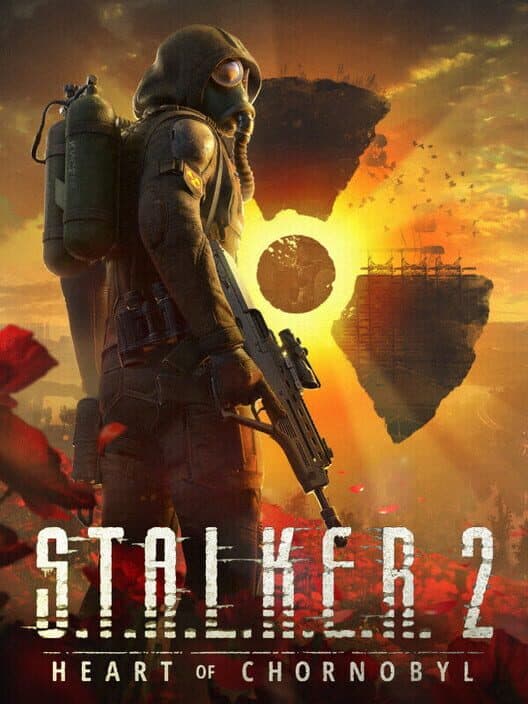
Bleak, atmospheric open-world survival shooter

Lengthy campaign with branching story paths

High-tension combat and methodical exploration

Is S.T.A.L.K.E.R. 2: Heart of Chornobyl Worth It?

Stalker 2 is worth it if you want a harsh, atmospheric shooter that feels different from most slick blockbuster games and you can handle some stress and rough edges. It asks for focused attention, a willingness to learn unforgiving systems, and a long-term commitment of 40–60 hours for one full playthrough. In return you get one of the most memorable depictions of a ruined, haunted landscape in modern games, tense survival gunfights, and a branching story full of moral gray areas. This is not a power fantasy where you quickly become unstoppable; you’ll feel fragile and uneasy for a long time, and that vulnerability is the point. If you love survival horror, Eastern European-style science fiction, and open-ended problem solving, buying at full price makes sense, especially on a stable PC or current console. If you mainly enjoy laid-back shooters, hate losing progress, or are already exhausted after work, you might be happier waiting for a discount or skipping it in favor of something calmer.

When is S.T.A.L.K.E.R. 2: Heart of Chornobyl at its best?

When you have a quiet evening, at least 90 minutes free, and want to sink into a bleak, immersive world with headphones and no real-world distractions pulling at your attention.

On a weekend afternoon where you can commit a solid two to three hours to push a major story arc, explore a new region, or resolve a complicated faction conflict.

When you’re craving something tense and demanding but not purely twitch-based, and you’re in the mood to manage resources carefully and live with the consequences of tough moral choices.

What is S.T.A.L.K.E.R. 2: Heart of Chornobyl like?

Stalker 2 is a long, solo journey that fits best into regular medium-length sessions. One satisfying playthrough of the story with a good handful of side quests will easily run 40–60 hours, which for a busy adult often means several weeks or more. The game’s structure helps: hubs naturally break the experience into expeditions, and those loops of prep, travel, objective, and return fit nicely into 60–120 minute blocks. You can save almost anywhere outside of direct danger, so it’s friendly to sudden interruptions from kids, calls, or chores. The main catch is that coming back after a long break is rougher than with a straightforward action game. You may forget which factions you annoyed, where you were heading, or how brittle your current gear is. Ending sessions back at a hub and skimming your quest log before quitting helps a lot. If you can play at least once or twice a week, the game respects your schedule reasonably well and delivers a strong sense of a long, dangerous journey.

Tips

  • Aim to end sessions back at a hub or other clearly safe space; restarting from there after a break feels far less confusing.
  • If you know you’ll be away for a week or more, leave yourself a short note in the quest log about what you planned to do next.
  • Treat this as a slow-burn series rather than a weekend binge; two focused sessions a week keep the world and systems fresh in your mind.

Stalker 2 is a game you play with your whole brain turned on. A typical trip into the Zone means tracking ammo, weapon condition, health, radiation, hunger, and quest objectives while constantly scanning for anomalies, enemies, and cover. Gunfights are slow and lethal rather than twitchy, but that actually raises the mental load, because every peek and every shot feels important. Between fights you’re planning routes, juggling inventory weight, and deciding which tasks to combine into one expedition so you don’t waste scarce supplies. There are calmer stretches of walking or resting at campfires, yet even then you’re watching the sky for emissions and listening for distant gunfire. This isn’t a background podcast game; it works best when you can stay mentally present and enjoy piecing together information from the environment, map, and radio chatter. If you like methodical play and making lots of small, meaningful decisions, the focus it asks for will feel rewarding rather than draining.

Tips

  • Try to play when you can give it at least an hour, so your mind can settle into the Zone’s rhythm.
  • Use hub time to slow down, read logs, and plan routes so you’re not making big decisions while already under fire.
  • If you feel mentally tired, choose nearby errands or simple fetch quests instead of deep expeditions that punish lapses in attention.

Learning Stalker 2 takes time. The first several hours can feel rough as you wrestle with realistic gun handling, punishing damage, anomalies, and a stingy economy that seems determined to keep you poor and fragile. Expect to die from mistakes you don’t fully understand at first. But once you internalize how weapons behave, how to spot and probe dangerous areas, and how to use artifacts and armor smartly, the experience shifts dramatically. Areas that once felt impossible become manageable, and you start planning expeditions with confidence instead of fear. The game doesn’t demand the near-perfect execution of the hardest action titles, but it absolutely rewards players who pay attention and learn from failure. Basic competence takes a healthy chunk of hours; real comfort and efficiency take longer. If you enjoy feeling yourself improve and don’t mind a bumpy learning phase, the long-term payoff in control and calm under pressure is excellent.

Tips

  • Accept that early deaths are lessons; after each one, ask what you missed or misread instead of simply reloading and repeating.
  • Experiment with different weapons and artifacts early, even if it feels inefficient, so you quickly find a loadout that matches your reflexes and patience.
  • Stick to one difficulty for your first run; chasing higher settings mid-way often turns healthy challenge into frustrating wall-banging.

Emotionally, Stalker 2 runs hot. The Zone is loud, hostile, and unpredictable, and the game leans hard into dread rather than simple power fantasy. Resources are scarce, enemies hit hard, and death can push you back a noticeable chunk of time, so tension builds long before anyone actually shoots at you. Sound design and lighting keep you on edge in dark interiors and during storms, and the knowledge that an emission or mutant pack could appear at any time keeps background anxiety high. It’s closer to a survival horror experience than to a laid-back open-world shooter. That said, the fear is usually about danger and loss, not jumpscares every five seconds, and safe hubs provide much-needed breathers between stressful excursions. If you come home already frazzled from work, this might feel like too much on some nights; on others, that same intensity can be exactly the kind of cathartic immersion you’re craving.

Tips

  • Avoid marathon sessions on stressful days; one strong 60–90 minute excursion is usually enough emotional intensity for a weekday evening.
  • Start on the lower difficulty if you mainly want atmosphere and story; extra survivability takes the edge off constant fear without ruining tension.
  • When you reach a safe interior or campfire, actually pause, breathe, and reset instead of immediately sprinting into the next dangerous area.

Frequently Asked Questions