Awaken Realms • 2025 • Xbox Series X|S, PC (Microsoft Windows), PlayStation 5
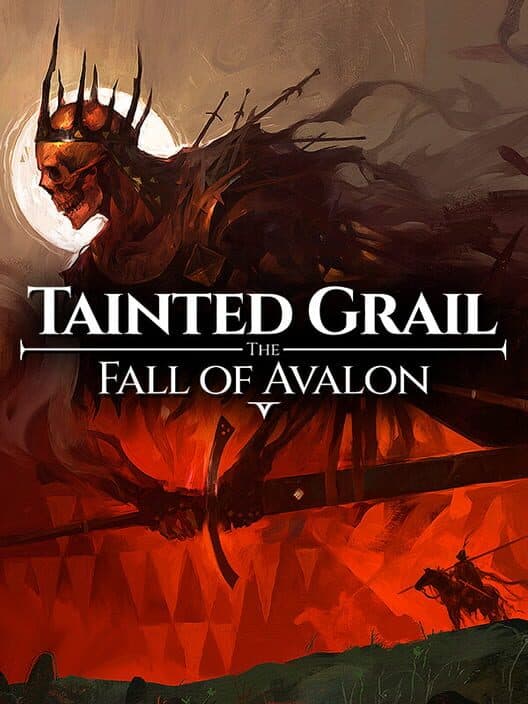
If you enjoy dark, story-rich open-world RPGs and can tolerate some rough edges, Tainted Grail: The Fall of Avalon is very likely worth your time and money. The big draw is its atmosphere and choice-driven quest design: you’re not just clearing icons, you’re deciding the fate of plague towns, weird cults, and even Arthur’s soul, with endings that genuinely reflect those calls. It asks for a fair amount in return—dozens of hours, regular reading of quest text, and patience for a bit of jank in combat and performance. In exchange, you get a month-long journey where your character grows from expendable prisoner to a powerful, highly customized archetype, exploring a world that feels dense and hand-crafted rather than purely checklist-driven. Buy at full price if you’re craving a moody, single-player RPG in the vein of The Witcher or classic Elder Scrolls, and you’re ready to live in it for a while. Wait for a sale if you’re unsure about the darker tone or limited free time. Skip it if you dislike reading, moral grayness, or slower, methodical combat.

Awaken Realms • 2025 • Xbox Series X|S, PC (Microsoft Windows), PlayStation 5
If you enjoy dark, story-rich open-world RPGs and can tolerate some rough edges, Tainted Grail: The Fall of Avalon is very likely worth your time and money. The big draw is its atmosphere and choice-driven quest design: you’re not just clearing icons, you’re deciding the fate of plague towns, weird cults, and even Arthur’s soul, with endings that genuinely reflect those calls. It asks for a fair amount in return—dozens of hours, regular reading of quest text, and patience for a bit of jank in combat and performance. In exchange, you get a month-long journey where your character grows from expendable prisoner to a powerful, highly customized archetype, exploring a world that feels dense and hand-crafted rather than purely checklist-driven. Buy at full price if you’re craving a moody, single-player RPG in the vein of The Witcher or classic Elder Scrolls, and you’re ready to live in it for a while. Wait for a sale if you’re unsure about the darker tone or limited free time. Skip it if you dislike reading, moral grayness, or slower, methodical combat.
You’ve got a focused 90 minutes in the evening and want to sink into a grim fantasy world, clear a dungeon, and make one or two meaningful story decisions.
It’s the weekend, you can spare a two- to three-hour block, and you feel like pushing the main story forward while tuning your build and testing it in a new region.
You’re in the mood for a solitary, atmospheric game that respects planning and reading, not quick matches or voice chat, and you’re happy to chip away at a long campaign over several weeks.
Expect a month or so of regular evenings for one satisfying run, with flexible saves but some effort needed to return after long breaks.
Tainted Grail is a sizeable commitment, but it’s more “month-long project” than “new lifestyle.” For many busy adults, one full playthrough with a good chunk of side content will land around 35–55 hours. That’s enough time to grow a character from expendable prisoner to terrifying knight or mage, see a major ending, and feel like you understand this version of Avalon. Sessions themselves are flexible. You can save almost anywhere and pause instantly, so it’s easy to play in 60–90 minute chunks: clear a dungeon, wrap a side quest, then stop at a bonfire or town. The main tradeoff is that coming back after a week or two away can feel disorienting. Multiple quest threads, scattered bonfires, and a complex build mean you’ll usually spend some minutes reacquainting yourself before you’re really back in the groove. There’s no pressure to play with others or keep up with events, which makes it forgiving for irregular schedules, as long as you’re okay with that re-learning ramp when you return.
You’ll usually want both hands and most of your attention, with room for brief distractions during travel but not in tougher fights or story moments.
This is a game you’ll mostly want to give your full attention to, especially during combat and story-heavy sections. Fights ask you to watch enemy movements, manage stamina, and juggle blocks, dodges, and spells rather than just spamming attacks. Outside battle, you’re often reading dialogue, following written directions instead of simple GPS markers, and thinking about where to explore next or how to tweak your build. There are calmer stretches: riding between locations, gathering herbs, or doing basic crafting can be relaxed and forgiving of a quick glance at your phone or a short conversation. But the game shines most when you’re mentally present, following threads in your quest log and noticing environmental details. If you prefer games you can fully multitask with, this may feel a bit demanding. If you like sinking into a world, tracking multiple goals, and making deliberate choices, the level of attention it asks for feels rewarding rather than exhausting.
It takes a few evenings to understand the systems, and improving your timing and build choices noticeably transforms how smooth and powerful you feel.
Learning Tainted Grail isn’t instant, but it’s also not the brick wall you might associate with the hardest fantasy RPGs. Basic movement and swinging a weapon come naturally if you’ve played similar games, but the deeper structure—armor weight, dual-mode spells, Wyrdness effects, several overlapping skill trees—takes a handful of sessions before it stops feeling messy. Expect 6–10 hours before you’re really comfortable planning routes, managing bonfires, and steering a build without constantly checking guides. Once things click, improvement feels rewarding. Better timing on blocks and dodges, smarter stamina use, and refined gear choices make previously scary encounters feel under control. On default or above, this sense of growth is obvious, especially when you revisit areas that once wrecked you. If you stick to the easiest setting, the game becomes more about story and exploration than mechanical growth, but even there, experimenting with different builds and skills can be fun for its own sake.
Dark themes and occasionally sharp difficulty create steady tension, but pacing and generous reloads keep it from feeling relentlessly stressful.
Emotionally, Tainted Grail lives in a tense, moody space rather than outright panic or horror. The setting is full of plague victims, body horror, and hard moral calls, so the atmosphere can feel heavy even when nothing is actively attacking you. Combat, especially early or in under-leveled areas, can be punishing on the default difficulty, and a few enemies are capable of killing you quickly if you’re careless. That said, the tempo of fights is slower and more readable than character-action games or shooters, and death usually means reloading to a recent save, not losing hours of progress. Difficulty sliders let you tone things down dramatically if you’re having a rough week and just want to explore and follow the story. For many adults, the main “edge” here is emotional rather than mechanical: bleak outcomes, suffering NPCs, and ambiguous choices can linger in your thoughts. If you’re okay with that kind of darkness, the game’s tension feels engaging rather than overwhelming.
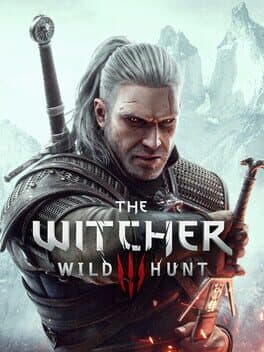
Games with a similar rhythm and feel, even if they look different