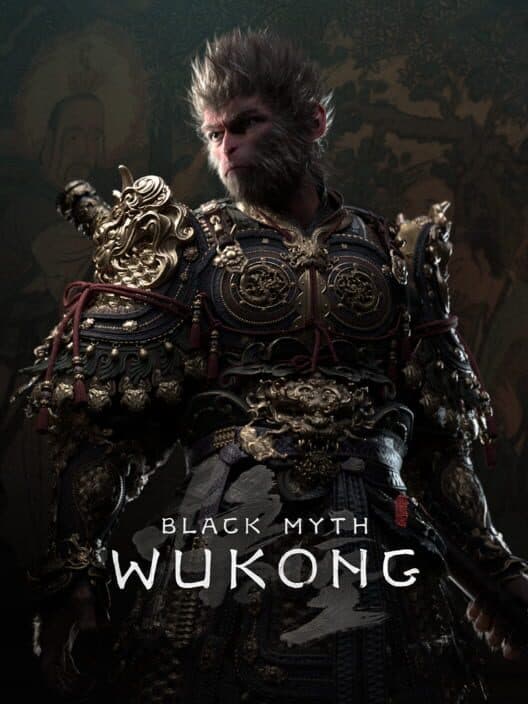
Game Science • 2024 • PC (Microsoft Windows), PlayStation 5, Xbox Series X|S
Yes, Black Myth: Wukong is worth it if you want a focused single-player action game with memorable bosses and standout mythic style. Its biggest strength is concentration. Instead of spreading your time across endless side chores, it keeps pushing you toward striking fights, strong chapter climaxes, and a world that feels different from the usual fantasy lineup. Combat has weight, build tweaks matter, and wins feel earned. The catch is simple: it asks you to tolerate repetition. A rough evening can turn into several tries on the same boss, and camera or readability issues occasionally get in the way. If you love learning encounters and feeling yourself improve, it is an easy full-price pick on stable hardware. If you are interested mainly because of the visuals, but you dislike repeated boss practice, wait for a sale. If you want relaxed exploration, heavy story choice, or a low-pressure ride, you should probably skip it. This is best for players who want spectacle with real resistance.

Game Science • 2024 • PC (Microsoft Windows), PlayStation 5, Xbox Series X|S
Yes, Black Myth: Wukong is worth it if you want a focused single-player action game with memorable bosses and standout mythic style. Its biggest strength is concentration. Instead of spreading your time across endless side chores, it keeps pushing you toward striking fights, strong chapter climaxes, and a world that feels different from the usual fantasy lineup. Combat has weight, build tweaks matter, and wins feel earned. The catch is simple: it asks you to tolerate repetition. A rough evening can turn into several tries on the same boss, and camera or readability issues occasionally get in the way. If you love learning encounters and feeling yourself improve, it is an easy full-price pick on stable hardware. If you are interested mainly because of the visuals, but you dislike repeated boss practice, wait for a sale. If you want relaxed exploration, heavy story choice, or a low-pressure ride, you should probably skip it. This is best for players who want spectacle with real resistance.
Players consistently single out the major fights for their scale, animation, music, and the rush that comes from finally reading a hard encounter correctly.
Especially on PC, players often reported stutter, uneven frame pacing, or inconsistent optimization, and those issues colored first impressions for many.
Players who enjoy lore and mythic atmosphere often connect with the story, while others find the delivery too fragmented to land cleanly without added context.
The world, creature design, and chapter scenes feel fresh and distinctive, giving the adventure a strong identity even for players mixed on the combat demands.
Some areas are easy to misread, and tighter fights can make the camera work against you, creating frustration even when the combat itself feels solid.
Dodges, spells, transformations, and stance changes give fights heft, and many players enjoy being able to respec and tune a build without starting over.
Players consistently single out the major fights for their scale, animation, music, and the rush that comes from finally reading a hard encounter correctly.
The world, creature design, and chapter scenes feel fresh and distinctive, giving the adventure a strong identity even for players mixed on the combat demands.
Dodges, spells, transformations, and stance changes give fights heft, and many players enjoy being able to respec and tune a build without starting over.
Especially on PC, players often reported stutter, uneven frame pacing, or inconsistent optimization, and those issues colored first impressions for many.
Some areas are easy to misread, and tighter fights can make the camera work against you, creating frustration even when the combat itself feels solid.
Players who enjoy lore and mythic atmosphere often connect with the story, while others find the delivery too fragmented to land cleanly without added context.
A first run fits into regular evening play, with solid shrine checkpoints and clear chapter goals, though hard bosses can still swallow an entire session.
For most players, this is a 30 to 40 hour game if you focus on the main path, explore a little, and beat a handful of optional encounters. That makes it substantial, but not endless. A good session is usually 45 minutes to two hours. Shrines act as natural stop signs because they heal you, let you upgrade, and make it easy to log off without feeling lost. The game is also fully solo, so there is no raid schedule, no co-op obligation, and no pressure to keep up with friends. The main caveat is that it can be awkward around interruptions. Progress is usually safe thanks to autosaves, but a boss attempt is not something you want to abandon every ten minutes. Coming back after a week away is manageable, though you may need a short warm-up to remember your build and the current boss pattern. If you want one premium adventure to work through over several weeks, it fits well. If you need something ultra-flexible for constant stops and starts, it is only a partial fit.
Quiet stretches let you breathe, but bosses demand full-screen attention, quick reads, and steady timing if you want the fight to finally click.
Black Myth: Wukong mostly asks for burst concentration, not constant brain-burn. Moving through an area, checking side paths, and handling upgrades is pretty manageable. The game changes the moment a serious boss starts. Then you need to stay locked in on animation tells, spacing, dodge timing, healing windows, spell cooldowns, and whether finishing your combo is actually worth the risk. It is more about reading rhythm and reacting cleanly than about planning ten steps ahead, so the thinking feels physical and immediate. You cannot really half-watch a show or keep one eye on your phone during the hard parts. The upside is that the game gives that great action feeling where confusion slowly turns into clarity. A boss that felt chaotic at first starts to look readable, then beatable, and finally satisfying. If you like short stretches of full attention followed by calmer regrouping at shrines, it fits well. If you want something that tolerates distraction, it does not.
You can understand the basics in a few evenings, but real comfort comes from boss repetition, better loadouts, and learning when patience beats aggression.
Black Myth: Wukong is not impossible to learn, but it definitely expects practice. The early hours teach the core tools clearly enough: shrines, Sparks, gourds, stances, spells, and simple gear upgrades are not hidden behind mystery. The harder part is making those pieces work under pressure. The game teaches through repetition more than explanation, especially once bosses start mixing delayed swings, fast follow-ups, and awkward punish windows. Expect a few evenings before normal enemies feel routine and a bit longer before you feel confident adapting mid-fight. The good news is that early mistakes are not permanent. You can adjust many upgrade choices, try different spirits or spells, and return quickly after death, so the game nudges you to experiment instead of punishing every wrong choice forever. Compared with big action adventures, it asks more from you. Compared with the harshest precision fighters, it gives you more room to recover. If you enjoy getting better one readable mistake at a time, it pays off well.
It alternates between calm traversal and sharp boss pressure, giving you real stakes and adrenaline without turning every minute into pure panic.
The emotional load comes from pressure, not horror. Most of the game is serious and dramatic, but the real stress comes from boss fights that can punish overconfidence fast. You will often feel your shoulders rise near the end of a strong attempt, especially when healing charges are low and the boss reveals a new phase. That said, the game is not relentlessly exhausting. Exploration, shrine breaks, upgrade menus, and cutscenes create room to reset between spikes. Failure usually costs time and pride more than major resources, which matters a lot. Losing still stings, but it rarely feels catastrophic. For many players this lands in the sweet spot of good stress: enough tension to make a win memorable, not so much that every mistake feels crushing. The main risk is session mood. A night of repeated near-wins can feel exciting if you enjoy learning fights, or draining if you see retries as lost time. Play it when you have some energy, not when you want pure comfort.
Games with a similar rhythm and feel, even if they look different