Team Cherry • 2025 • Xbox Series X|S, PlayStation 4, Linux, Nintendo Switch 2, PC (Microsoft Windows), PlayStation 5, Mac, Xbox One, Nintendo Switch
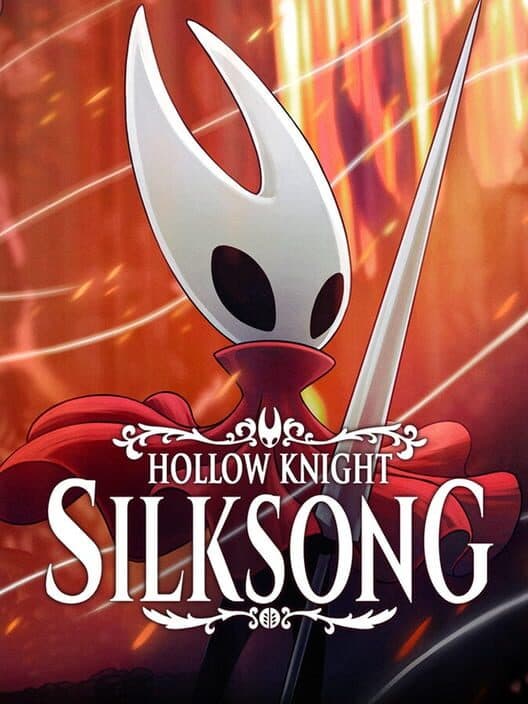
Hollow Knight: Silksong
Team Cherry • 2025 • Xbox Series X|S, PlayStation 4, Linux, Nintendo Switch 2, PC (Microsoft Windows), PlayStation 5, Mac, Xbox One, Nintendo Switch
Is Hollow Knight: Silksong Worth It?
Yes, Hollow Knight: Silksong is worth it if you want a demanding, beautifully made adventure and you enjoy getting better through repetition. Its best qualities are easy to feel early: Hornet is fantastic to control, the world is packed with secrets, and the art and music carry a strong sense of place. What it asks from you is patience. Bosses are tough, benches can be far apart, and some evenings will be spent learning one obstacle instead of cruising forward. If that trade sounds good, the payoff is huge. Breakthroughs feel earned, and exploration keeps feeding you new paths, tools, and surprises. Buy at full price if you loved Hollow Knight, enjoy games like Metroid Dread, and do not mind retry-heavy progress. Wait for a sale if the world appeals to you but you are unsure about hard bosses and runbacks. Skip it if you want a low-stress story game, frequent checkpoints, or strong accessibility assists.
What is Hollow Knight: Silksong like?
Opinions of Hollow Knight: Silksong
What Players Love
- Players Love
Hornet's movement makes combat feel fast and expressive
Players consistently praise how agile Hornet feels, with tools, crests, and silk skills turning fights into fluid, stylish duels once the moveset clicks.
- Players Love
Art, music, and world design leave a lasting impression
Pharloom's hand-drawn areas, strange enemies, and Christopher Larkin's score are praised across reviews, giving exploration a strong sense of place and mood.
Common Concerns
- Common Concern
Hard bosses and bench runbacks can become exhausting
The most common complaint is harsh repetition after failure. Tough fights plus long returns to the arena can turn a learning moment into a draining one.
- Common Concern
Localization and early support issues hurt some players
A visible slice of the audience pointed to weak Simplified Chinese localization and a few launch support problems, though patches improved the experience later.
Divisive Aspects
- Divisive
Added guidance helps some players and disappoints others
Waypoints, task tracking, and act structure make progress clearer, but some longtime fans feel the freer exploratory magic is reduced by that extra guidance.
What does Hollow Knight: Silksong demand from you?
Time
MODERATETime
The journey is big but workable in weeknight chunks if you stop at benches. Solo only, easy to pause, not easy to quit anywhere.
Focus
HIGHFocus
You need sharp hands and a clear head. Every room can test timing, route memory, and quick reads, with very little true autopilot.
Challenge
HIGHChallenge
It takes real time to get comfortable, but the game usually teaches through clear mistakes. If you like improving by repetition, it pays off.
Intensity
HIGHIntensity
The pressure comes from hard fights and lost time, not horror. Breakthroughs feel big because mistakes usually cost another tense trip back.
Frequently Asked Questions
You Might Also Like
Games with a similar rhythm and feel, even if they look different