Electronic Arts • 2025 • Xbox Series X|S, Nintendo Switch 2, PC (Microsoft Windows), PlayStation 5
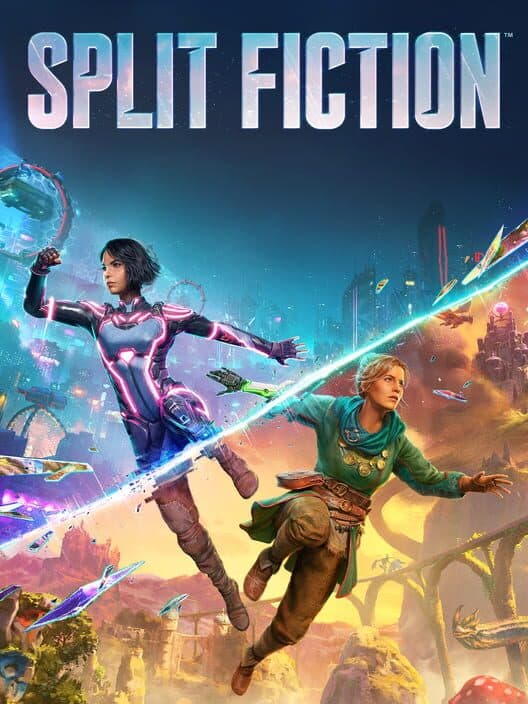
Split Fiction
Electronic Arts • 2025 • Xbox Series X|S, Nintendo Switch 2, PC (Microsoft Windows), PlayStation 5
Is Split Fiction Worth It?
Yes, if you have a reliable partner and you want a polished co-op campaign that wastes very little time. Split Fiction stands out because it keeps feeding you new ideas, new chapter themes, and new two-person problems to solve before the last trick gets stale. It feels like a game built around shared momentum. One of you spots the plan, the other executes a role, then both of you ride the payoff together. That structure makes it especially good for weeknight sessions, since you can make real progress in an hour or two and stop on a clean beat. What it asks from you is not huge mastery or endless grinding. It asks for communication, decent comfort with 3D movement, and a second person who can show up regularly. The main risk is fit. If one player hates platforming or you want something deep on story and character writing, the shine dims a bit. Buy at full price if you already have a co-op partner and loved It Takes Two style teamwork. Wait for a sale if your schedule is messy. Skip if you want to play solo.
What is Split Fiction like?
Opinions of Split Fiction
What Players Love
- Players Love
New co-op ideas keep the whole campaign feeling fresh
Players love how chapters keep introducing new mechanics, roles, and set pieces before any one idea wears out. The steady surprise factor carries the campaign.
- Players Love
Both players have meaningful jobs in nearly every sequence
Praise often focuses on the asymmetrical design. Puzzle rooms and boss phases usually give each person a real role instead of making one player feel like backup.
- Players Love
Big set pieces make the adventure feel premium and memorable
Polished visuals, cinematic pacing, and chapter themes are a frequent highlight. Many players say the spectacle helps turn solid co-op design into a standout shared event.
Common Concerns
- Common Concern
Large skill gaps between partners can create real friction
If one player struggles with camera control, jumping, or timing, sessions can slow down fast. The game is forgiving, but synchronized sections expose uneven skill.
- Common Concern
The story works, but mechanics do most of the lifting
A recurring view is that the dialogue and emotional arc are serviceable rather than special. For these players, the fun comes more from play and spectacle than writing.
Divisive Aspects
- Divisive
Constant novelty delights some players and leaves others wanting depth
Many players love the rapid mechanic changes, while others wish favorite ideas lasted longer. Whether that pace feels thrilling or shallow seems highly taste-dependent.
What does Split Fiction demand from you?
Time
LOWTime
The campaign fits weeknight sessions well, but its biggest time ask is simple: having one other person available when you are.
Focus
MODERATEFocus
You can learn the basics fast, but active split-screen teamwork means both players need eyes on the screen, steady communication, and quick short-burst reactions.
Challenge
MODERATEChallenge
Comfort comes quickly, yet the game keeps swapping tools and roles, so the real skill is adapting together instead of mastering one deep system.
Intensity
MODERATEIntensity
This feels exciting more than punishing, with short surges during chases and bosses that usually end in laughter, fast retries, and another attempt.
Frequently Asked Questions
You Might Also Like
Games with a similar rhythm and feel, even if they look different