Focus Entertainment • 2024 • Xbox Series X|S, PC (Microsoft Windows), PlayStation 5
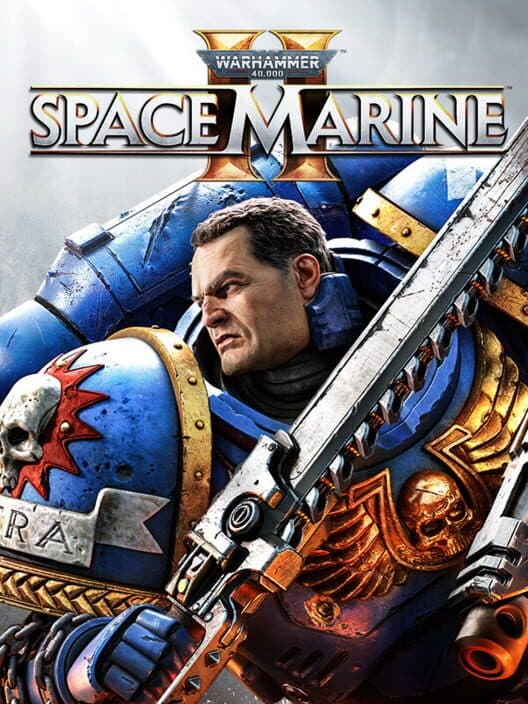
Warhammer 40,000: Space Marine II
Focus Entertainment • 2024 • Xbox Series X|S, PC (Microsoft Windows), PlayStation 5
Is Warhammer 40,000: Space Marine II Worth It?
Warhammer 40,000: Space Marine II is worth it if you want heavy, satisfying combat and a short, punchy campaign that respects your weeknights. Its best trick is simple: it makes being a Space Marine feel incredible. Bolters boom, chainswords chew through swarms, and executions give every fight a vicious rhythm that sells the fantasy better than almost anything else in this setting. It doesn't ask for deep role-playing, huge map wandering, or months of homework. It asks for steady attention, comfort with noisy arena combat, and a willingness to accept a fairly straightforward story. In return, it delivers big set pieces, great audiovisual punch, and a campaign you can actually finish without turning it into a lifestyle game. Buy at full price if you love Warhammer, co-op horde action, or polished third-person combat. Wait for a sale if you're mainly here for a one-and-done campaign or worry about repetition and technical rough edges. Skip it if you want exploration, stealth, puzzles, or rich story choices.
What is Warhammer 40,000: Space Marine II like?
Opinions of Warhammer 40,000: Space Marine II
What Players Love
- Players Love
Power fantasy and combat spectacle feel fantastic throughout
Players consistently praise the weapon heft, brutal executions, and huge Tyranid swarms. The thrill of charging into overwhelming odds lands hard every time.
- Players Love
Warhammer 40K atmosphere looks and sounds richly authentic
Even players with other complaints often single out the art direction, scale, sound design, and grim tone. It feels expensive and true to the setting throughout.
Common Concerns
- Common Concern
Mission and enemy variety can wear thin over time
Many players say the combat stays fun, but repeated mission beats and familiar enemy mixes can make later campaign and Operations sessions feel samey.
- Common Concern
Performance and server issues disrupted early enjoyment for some
Crashes, stutter, disconnects, and matchmaking friction showed up often in launch-period feedback. Your experience may still vary by platform and patch state.
Divisive Aspects
- Divisive
Straightforward old-school campaign feels clean or too thin
Some players like the focused, no-bloat structure and steady march through set pieces. Others wanted more story depth and mission evolution to match the spectacle.
What does Warhammer 40,000: Space Marine II demand from you?
Time
LOWTime
The campaign fits neatly into weeknight sessions and has clear stopping points. Extra modes can stretch the package, but they feel optional instead of mandatory.
Focus
MODERATEFocus
Most of your attention goes to reading the battlefield in real time. Fights punish distraction, but the game gives you short breathers between arenas.
Challenge
MODERATEChallenge
You can understand the basics quickly, then spend a few sessions getting the rhythm right. Growth comes from cleaner timing, target choice, and crowd control.
Intensity
MODERATEIntensity
The mood is loud, bloody, and energizing rather than crushing. You get steady adrenaline spikes, but the campaign usually keeps failure from feeling devastating.
Frequently Asked Questions
You Might Also Like
Games with a similar rhythm and feel, even if they look different