It Takes Two

Electronic Arts2021Xbox Series X|S, PlayStation 4, PC (Microsoft Windows), PlayStation 5, Xbox One, Nintendo Switch
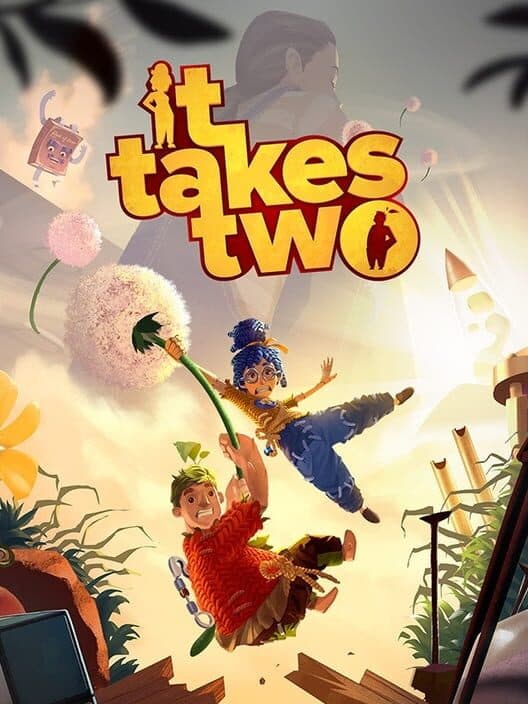
Story-driven platformer built strictly for two players

10–14 hour focused, tightly scripted campaign

Constantly changing co-op mechanics and mini-games

Is It Takes Two Worth It?

If you have a reliable co-op partner, It Takes Two is absolutely worth playing, and often worth buying at full price. The game is built entirely around two-player collaboration, delivering a dense 10–14 hour campaign with almost no filler. Every chapter introduces fresh mechanics, playful set-pieces, and new ways to work together, so it never feels repetitive or grindy. The main asks are social and logistical: you need someone willing to commit to several evenings, and they’ll need at least basic comfort with a controller and 3D movement. If you mostly play solo or your schedule with friends is chaotic, this may be a tougher fit. In return you get a very polished, funny, and surprisingly heartfelt story about a struggling relationship, plus a string of memorable co-op moments you’ll likely talk about afterward. Buy at full price if you’re excited to treat it as a shared “event game” with a partner. If you’re unsure you can line up that time, wish-list it and grab it on sale. If you only play alone, skip it.

When is It Takes Two at its best?

Best when you and a partner want a cozy “game night instead of Netflix,” with enough focus to talk and laugh together but not so much that you feel wrung out afterward.

Great for a couple or close friends who can schedule one or two evenings a week and want to actually finish a game within a few weeks, not months.

Ideal when one of you is more experienced than the other and you want something forgiving that still feels like real, shared gameplay rather than a lopsided carry.

What is It Takes Two like?

In terms of total time, this is a very manageable project for two busy adults. Most pairs will see the credits in about 10–14 hours, which usually means one to three weeks if you play a couple of evenings. The story is linear with no sidequest sprawl, so you always know exactly what to do next. There’s no pressure to grind or “optimize” anything—once you’re done, you’re truly done. Sessions naturally fall into 60–90 minute chunks. Chapters and big set‑pieces act like episodes, each introducing a new mechanic, building on it, and ending with a memorable payoff and short cutscene. Checkpoints are generous and autosaves are frequent, so you can still stop mid‑chapter if life intervenes. The biggest commitment ask is social: you need the same partner (or at least a willing one) to make progress. If your co‑op partner’s schedule is chaotic, that can slow things down more than the game’s actual length.

Tips

  • Agree on a simple schedule—like one or two evenings per week—so the campaign doesn’t stall when real life gets busy.
  • Try to stop after finishing a big set‑piece or cutscene; these points feel like natural “episode” endings for your sessions.
  • If time is tight, aim for 45-minute sessions and accept that you’ll occasionally stop mid‑chapter and resume at a checkpoint.

Moment to moment, this game asks for moderate but steady attention from both players. You’re watching for platforms, hazards, and co‑op cues while talking through simple puzzles and timing jumps or switches together. There’s no deep system management or long-term planning, so the thinking happens in short bursts around whatever the current chapter’s tools are. You can absolutely chat about your day while playing, but you can’t half-watch a show or scroll your phone without missing something important and occasionally falling to your doom. The mental side leans more toward figuring out “what do we do with these gadgets?” than reacting at lightning speed. Each new ability pair is introduced safely, so you have space to experiment before the game raises the stakes. For busy adults, that means sessions feel engaging and cooperative without being mentally exhausting. You finish a night feeling nicely stimulated, not fried like after ranked competitive matches or dense strategy games.

Tips

  • Schedule sessions when both of you are reasonably alert; tired brains make even simple coordination puzzles feel more annoying than fun.
  • If one partner struggles with 3D movement, let them handle simpler tasks while the other takes point on precise jumps or aiming.
  • Use voice chat or sit close enough to talk out loud; calling out ideas early prevents a lot of silent, repeated trial-and-error.

Learning to play this game is straightforward, even for someone who doesn’t usually touch 3D action games. Basic movement, jumping, dashing, and aiming are introduced gently, and each new chapter-specific power set comes with a safe playground section before the game asks you to use it under pressure. You’re not managing inventories, skill trees, or combos—just a small, changing toolkit and your communication with your partner. Because of that, the skill curve is shallow. You’ll feel basically competent within the first session or two. Improvement after that is about coordination: reading each other’s timing, calling out ideas clearly, and trusting who does what in a given puzzle. Nailing a tricky sequence together does feel great, but there’s no higher difficulty, ranked mode, or deep system to “master” in the long term. For busy adults, this means you get a strong sense of competence quickly and can enjoy the ride without committing to a long training arc.

Tips

  • Give a less experienced partner a few minutes at the start of each session to freely run and jump until the controls feel natural again.
  • Don’t chase perfection; progress matters more than flawless execution, and the game rarely expects you to succeed on the first try.
  • Consider swapping characters halfway through the campaign so each of you experiences different tools and learns new roles.

Emotionally, this is a fairly gentle ride. Most of the time you’re in colorful, toy-like spaces, laughing at funny deaths or silly dialogue, not clenching through punishing gauntlets. The game wants you to feel excited and amused more than stressed. Death costs almost nothing, so even when you’re stuck, the tension is usually short-lived and quickly replaced by relief when you finally nail the timing together. There are a handful of more intense moments: fast-paced chases, boss-like encounters, and one notoriously uncomfortable sequence involving a stuffed toy. Those can raise your heart rate for a few minutes, but they’re carefully choreographed and over quickly. The relationship drama is present but handled with a light, often comedic touch, so it’s rarely emotionally overwhelming. If you’re wondering whether you can play this casually after work: yes. Expect some “good stress” from tricky sections and coordination, but very little of the draining, punishing kind that lingers afterward.

Tips

  • Treat tricky sections as practice grounds, not tests; there’s almost no penalty for failure, so laugh at mistakes and keep going.
  • If a scene or argument in the story hits close to home, pause and talk it out before you continue playing.
  • When frustration starts rising between you, swap roles or take a five-minute break instead of forcing progress while annoyed.

Frequently Asked Questions