hello@slated.gg
Powered by IGDB•Privacy•Terms

© 2026 Slated.gg

Slated.gg
Popular GamesAboutDiscover Games
Mortal Kombat 1

WB Games • 2023 • Xbox Series X|S, PC (Microsoft Windows), PlayStation 5, Nintendo Switch
Satisfying to completeRewarding skill growthPerfect for a weekend
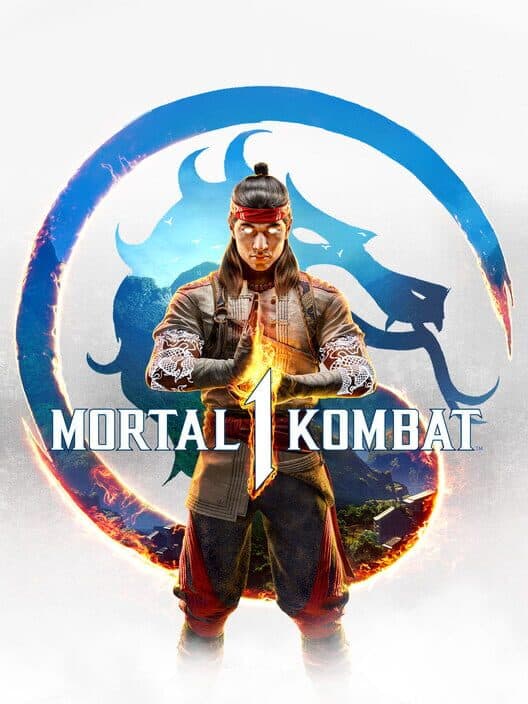
Mortal Kombat 1 cover art

Mortal Kombat 1

WB Games • 2023 • Xbox Series X|S, PC (Microsoft Windows), PlayStation 5, Nintendo Switch

Satisfying to completeRewarding skill growthPerfect for a weekend

Is Mortal Kombat 1 Worth It?

Mortal Kombat 1 is worth it if you want sharp one-on-one fighting, a flashy story you can finish in a weekend, and don't mind a lot of gore. The best thing here is the feel of the fights. Hits land hard, short matches stay exciting, and the Kameo assist system gives even casual players a fun way to make one favorite character feel more expressive. The story is also a real selling point because it gives you a polished, finite reason to buy in without promising a huge time sink. Buy at full price if you already enjoy fighters, couch competition, or learning a small set of skills and improving over time. Wait for a sale if you mostly want the campaign and some solo extras, because the post-story single-player loop is where many players lose interest. Skip it if you hate graphic violence, want something relaxing, or want lots of solo variety after the credits. At its best, it turns short play sessions into intense, satisfying bursts.

What is Mortal Kombat 1 like?

Opinions of Mortal Kombat 1

What Players Love

  • Players Love

    The fighting feels fast, sharp, and deeply satisfying

    Players consistently praise how hard hits land and how readable the action feels. The Kameo system adds combo routes and matchup variety without muddying the core fights.

  • Players Love

    Story mode gives casual players a strong reason to buy

    Even people critical of the wider package often single out the campaign for its polished cutscenes, spectacle, and easy-to-finish sense of closure.

Common Concerns

  • Common Concern

    Cosmetics and rewards feel too tied to the premium store

    A common complaint is that unlocks feel stingier than expected for a full-price release, which makes cosmetic progress feel less rewarding than the fighting itself.

  • Common Concern

    Solo play can feel repetitive once the credits roll

    Many players say the single-player loop loses steam after Story Mode unless you already enjoy repeated fights for their own sake. Extra modes are often called grindy.

  • Common Concern

    PC and especially Switch versions hurt early impressions

    Performance issues, visual compromises, and uneven polish were frequent complaints on some platforms, with Switch drawing the most criticism even after patches.

Divisive Aspects

  • Divisive

    Faster offense wins some fans and loses older ones

    Some players love the cleaner, more aggressive pace and simpler defense. Others miss parts of the older formula or expected a deeper feature set.

What does Mortal Kombat 1 demand from you?

Time

LOW

Time

The story fits into a few evenings, matches are easy to slot into busy nights, and the long haul is fully optional.

LOW

Mortal Kombat 1 asks for a modest upfront time investment and lets you decide whether to stop at a fun weekend fighter or keep going for months. The cleanest version of the game is short: you can finish the story in a few evenings, then spend a handful of extra sessions learning one character well enough that matches stop feeling random. For many people, that is enough to say they got the full value of the base game. It also fits busy schedules better than many skill-based games. Matches are short, towers are broken into neat slices, and story chapters create regular stopping points. You usually lose only the current fight if you quit at the wrong moment, not a huge block of progress. The main time catch is online play and rust. Live matches are poor at handling interruptions, and coming back after a week away means your hands may forget combo timing before your brain forgets the rules. That makes it easy to schedule but slightly awkward to return to cold. There is no social obligation to keep up, though. You can treat it as a solo purchase, a couch game, or a light long-term hobby.

Tips
  • Treat the story as your finish line, then add a few sessions with one main if you want the combat to open up.
  • Avoid queueing online if you may be interrupted; towers, practice, and story chapters handle real life much better.
  • After a break, spend five minutes in Practice first; getting your hands back matters more than remembering the menus.

Focus

HIGH

Focus

Short fights demand total attention, quick reads, and decent timing, then give you a breather as soon as the round ends.

HIGH

Mortal Kombat 1 asks for full eyes-on-screen attention in short bursts, then pays you back with fights that feel clean, readable, and earned. During a live round, there is almost no room for autopilot. You are watching spacing, jump-ins, throws, meter, assist cooldowns, and whether your opponent likes to block, mash, or back away. The thinking is not long-range chess so much as fast reading and immediate response. That makes it mentally busy without becoming sprawling. The good news is that the demand comes in compact chunks. A match lasts only a few minutes, and menus, story scenes, or tower transitions give you a moment to reset. So this is not the kind of game that needs a four-hour tunnel-vision session. It is the kind that asks you to fully lock in for ten to twenty minutes at a time. If you are distracted, tired, or trying to half-watch a show, the game will punish that quickly. If you are alert, it rewards concentration with some of the clearest cause-and-effect feedback in the series.

Tips
  • Pick one fighter and one Kameo for your first ten hours so your brain learns fewer buttons and more useful habits.
  • Use Practice for five minutes before matches to refresh one anti-air, one safe string, and one simple combo.
  • If you're tired, stay in story or towers; online punishes hesitation much harder than solo modes do.

Challenge

MODERATE

Challenge

Easy to start mashing, harder to play with intention; one main fighter and a few reliable tools make the learning curve much friendlier.

MODERATE

Mortal Kombat 1 asks you to learn the basic language of fighting games, then rewards you with steady, visible improvement. The first step is simple enough: pick one fighter, learn a few reliable moves, and understand when to block, throw, anti-air, and spend meter. That gets you through story mode and casual towers just fine. The harder part is moving from doing moves to knowing why they worked. That is where practice starts paying off. The curve is friendlier than the genre's scariest reputation suggests because the game gives you tutorials, practice tools, quick retries, and very clear feedback. When you lose, you usually know roughly what went wrong, even if fixing it takes time. The trap is trying to learn too much at once. Sampling the whole roster or chasing flashy combos early makes the game feel steeper than it needs to. Keep the scope small, and it becomes a satisfying skill-builder rather than an intimidating wall. The ceiling is huge, but basic competence arrives much sooner than true mastery.

Tips
  • Learn one punish, one anti-air, one simple combo, and one safe poke before chasing flashy routes you won't land.
  • Use combo trials and frame data as support, but build progress around a tiny toolkit you can repeat in real matches.
  • If online feels brutal, spend a few sessions in towers drilling defense first, then add matchup knowledge later.

Intensity

MODERATE

Intensity

Pressure spikes fast, losses sting in the moment, and the gore makes every mistake feel bigger even though retries are quick.

MODERATE

Mortal Kombat 1 asks you to accept pressure, small failures, and a lot of visual brutality, then rewards that tension with big surges of excitement. The stress is real, but it is not nonstop. Most of it comes from how personal one-on-one fighting feels. When you guess wrong on a block or drop the combo that would have ended the round, the game makes that mistake feel loud. Fatal Blows, finishers, and the series' trademark gore amplify the emotion, even though the actual punishment is usually just a quick loss and a restart. That mix creates more of a roller coaster than a grind. Story mode softens the edges because it breaks the action with cutscenes and gives you a clear push forward. Casual online or local matches feel sharper because another person can expose the same bad habit again and again. The nice part is that losses are short and rarely waste much time. So the game is intense in the moment, but not exhausting in the way a long boss run or survival game can be. Best played when you want energy, not when you want comfort.

Tips
  • Stop after two frustrating losses in a row; short matches make tilt arrive faster than you expect.
  • Start with Story Mode if you want spectacle without the sharper pressure that comes from human opponents.
  • Treat Fatalities as theater, not a bigger punishment; they look brutal, but the actual time loss is tiny.

Frequently Asked Questions

Mortal Kombat 1 is medium-hard overall: easy enough to finish the story, but much harder to play cleanly against real people. That split matters. Learning the buttons and seeing cool moves is not the hard part. The harder part is blocking high or low on time, knowing when a move is unsafe, and landing even a simple combo after you finally open someone up. In that sense, it is harder to learn than most action games, but less intimidating at the start than older fighters that explained very little. Compared with Smash Bros., it asks for more deliberate defense and cleaner inputs. Compared with Street Fighter 6, it sits in a similar beginner challenge range, though your mileage will depend on character choice. Story mode and towers are manageable for most players willing to pick one main and practice a few basics. Mastery is a different story and can take dozens of hours, but you do not need that level to enjoy the base game. If you hate losing often while learning, it may feel rough.

Most people will see the story credits in about 6 to 8 hours. A more rounded first experience is closer to 10 to 15 hours, because Mortal Kombat 1 really clicks once you spend a few extra sessions with one fighter in Practice, towers, or casual matches. If you want every cosmetic, lots of character mastery, or steady online play, the time can stretch far beyond that, but that is optional rather than required to feel satisfied. This is a very easy game to fit into busy weeks. A single fight takes only a couple of minutes, a short tower run can fill 15 to 30 minutes, and story chapters break into neat chunks. The save system is fine, not perfect. You usually restart from the current fight or a nearby checkpoint, so quitting rarely costs much time, but you cannot freely save in the middle of every bout. It is a good choice for weeknights because it creates natural stopping points constantly. The only time trap is the classic fighting-game pull of one more match.

Mortal Kombat 1 is moderately stressful, but in sharp bursts rather than as a constant drain. The good kind of stress comes from close rounds, clutch reads, and the thrill of finally landing a punish you practiced on purpose. That pressure is a big part of why the game feels exciting. The bad kind comes when you are tired, rusty, or already annoyed, because dropped combos and sudden losses can feel personal in a one-on-one game. The graphic finishers also make every defeat look harsher than it really is. The important thing is that the actual penalty for losing is usually small. You rarely lose much progress, and most matches are over quickly, so a rough round does not waste your evening. That makes it much less draining than a long survival game or a punishing boss run, even when your heart rate jumps. If you want something calm or half-watched while multitasking, this is a bad fit. If you want intense 10-minute bursts when you are alert, it works very well.

Yes, Mortal Kombat 1 is very playable solo, and that is how many people will get their money's worth. The story mode is one of the package's biggest strengths, and towers, practice, and CPU fights give you plenty to do without touching ranked or voice chat. There are no raid-style obligations, no need to schedule with friends, and the game breaks into short chunks that fit busy evenings well. The caveat is long-term value. If you only want solo content forever, the game can start to feel repetitive once the credits roll. That does not ruin the purchase if your goal is a weekend campaign plus a few extra nights learning one fighter, but it matters if you want months of solo variety. It is also only partly interruption-friendly. You can stop between matches or chapters easily, but a live online fight is not something real life can interrupt gracefully. So yes, you can absolutely play it solo and casually. Just know that the deepest part of the game still lives in versus play, even if the cleanest reason to buy is the campaign.

No, Mortal Kombat 1 is not pay-to-win in the normal sense. It does sell cosmetics and has premium-store pressure that many players dislike, but those purchases do not buy stronger stats, easier wins, or direct power boosts for your account. The main frustration is value and goodwill, not competitive fairness. The only nuance is paid characters. Extra fighters being sold separately can matter if you are the kind of player who wants full roster access or wants to practice every matchup yourself. Even then, that is not the same as buying power. Base-game players are not locked out of basic progression, and there is no system where spending more money makes your attacks stronger or your defense better. For most people, the answer stays simple: the business model can feel annoying, especially around cosmetics, but the actual fights are still decided by knowledge, timing, and execution. If you are sensitive to full-price games pushing premium extras, wait for a sale. If your question is strictly about fairness, this is not a pay-to-win game.

You Might Also Like

Games with a similar rhythm and feel, even if they look different
Explore more→
Street Fighter 6 game cover art
Satisfying to completePerfect for a weekend

Street Fighter 6

Time
MODERATE
Focus
VERY HIGH
Challenge
HIGH
Intensity
HIGH
Warhammer 40,000: Space Marine II game cover art
Satisfying to completePerfect for a weekend

Warhammer 40,000: Space Marine II

Time
LOW
Focus
MODERATE
Challenge
MODERATE
Intensity
MODERATE
Gears of War: E-Day game cover art
Satisfying to completePerfect for a weekend

Gears of War: E-Day

Time
LOW
Focus
HIGH
Challenge
MODERATE
Intensity
MODERATE
Tekken 8 game cover art
Satisfying to completeRewarding skill growth

Tekken 8

Time
MODERATE
Focus
VERY HIGH
Challenge
HIGH
Intensity
HIGH
Guilty Gear: Strive game cover art
Satisfying to completeRewarding skill growth

Guilty Gear: Strive

Time
MODERATE
Focus
VERY HIGH
Challenge
HIGH
Intensity
HIGH
Dragon Ball: Sparking! Zero game cover art
Satisfying to completePerfect for a weekend

Dragon Ball: Sparking! Zero

Time
LOW
Focus
HIGH
Challenge
MODERATE
Intensity
MODERATE
← Back to Home