Nintendo • 2025 • Nintendo Switch 2
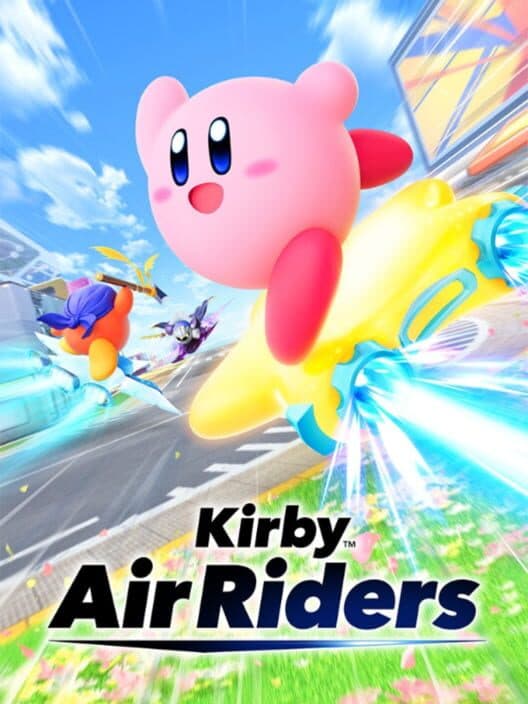
Nintendo • 2025 • Nintendo Switch 2
Yes. Kirby Air Riders is worth it if you want short, high-energy matches and you enjoy games that get better once their strange feel clicks. Its best trick is turning a tiny control set into real depth, especially in City Trial, where five messy minutes of scavenging, fighting, and guessing the finale can create the kind of round you immediately want to talk about. It also respects limited playtime well. Races are short, unlocks come fast, and even a small session usually moves something forward. Buy at full price if City Trial sounds like your kind of chaos, you have friends or online opponents to race, or you like learning a distinctive mechanical rhythm. Wait for a sale if you mostly want solo play, because Road Trip is useful and often fun but not always enough to carry the whole package by itself. Skip it if you want instant Mario Kart-style comfort or a big story to pull you through. This game rewards patience and curiosity far more than brand familiarity.
Players say the strange one-button setup opens into real depth after a few hours, and City Trial keeps paying that off with chaotic, highly replayable rounds.
Checklist tiles, new riders, machines, cosmetics, and steady milestones give even losing nights a sense of progress, which especially helps solo play feel worthwhile.
Many newcomers expect instant kart-racer comfort, then bounce off the brake-to-drift handling and auto-accelerate rules before the game's rhythm starts making sense.
Players appreciate its short challenge chain and clear structure, but longer runs can start to blur together if the racing systems never become the main draw.
Fans love the eccentric machines, surprise events, and loose unpredictability. Others see those same traits as uneven, unfair, or less polished than bigger racers.
This fits busy schedules well because matches are short and goals are clear, but online play and auto-save limits still make mid-run exits less graceful.
Kirby Air Riders respects limited weekly play better than many competitive games because it asks for focused chunks instead of long marathons and usually gives you something visible back. A race is brief, City Trial has a clean prep-and-finale loop, and Road Trip breaks its journey into bite-size encounters. That means you can sit down for 20 minutes and still feel like you completed something real. The steady unlock flow helps too. Even a small session can flip checklist tiles, earn a rider, or move you toward a clear next target. The main limit is flexibility in the middle of play. Progress mostly saves automatically rather than whenever you want, and an active online match obviously cannot pause for family or work surprises. So this is best understood as chunk-friendly, not endlessly interruptible. Coming back after time away is also manageable rather than effortless. You will remember the basics, but one warm-up round helps a lot. Solo players are well served, while the brightest spark still comes from local or online rivalry.
Simple buttons hide a high-attention game where your eyes stay locked on the screen and your best moments come from quick reads, not long plans.
Kirby Air Riders asks for more attention than its friendly look suggests, and that extra focus is what turns its strange controls into satisfying speed. The buttons are spare, but the game keeps feeding you little choices every few seconds. In a normal race, you are reading corners, holding or releasing charge at the right moment, watching rival positions, and correcting landings before speed bleeds away. City Trial raises that even more. You are scanning the map for stat boxes, judging whether a machine is worth stealing, and deciding if a random event deserves a detour. None of this is spreadsheet thinking. It is quick, active, hands-on concentration. That makes it a poor fit for half-watching TV or checking your phone between turns. The upside is that once the handling clicks, the thinking becomes clean and satisfying. You are not memorizing huge systems so much as staying present and trusting your rhythm. Give it full attention for one round, and it pays you back with sharp, controlled moments that feel great.
Easy to control does not mean easy to learn here. The first few hours are about unlearning kart habits and trusting a strange rhythm.
Kirby Air Riders lands in the middle overall, but it gets there in an unusual way. It does not overwhelm you with lots of buttons or giant menus. Instead, it asks for patience with a control idea that feels wrong at first and rewards you with a surprisingly strong mechanical feel once it settles in. You brake to shape turns and build charge. The machine handles itself in ways that can seem slippery or stubborn until your hands adjust. That makes the opening hours more awkward than punishing. Once the rules click, improvement becomes clearer. You start learning how different machines behave, when to commit to a charge, and what kind of City Trial build actually wins a finale. The game is kind while you learn because losses are short and rewards keep coming. Even bad nights can unlock something useful, which makes experimentation feel worthwhile. You do not need elite skill to enjoy it, but you do need patience for a weird first impression. If you like learning a strong feel, it pays off nicely.
This is lively, competitive energy instead of crushing pressure, with short spikes of excitement, quick losses, and a cheerful tone that keeps frustration from lingering.
Most of the time, Kirby Air Riders feels exciting rather than stressful, and that is a big part of its appeal. It asks for short bursts of adrenaline and gives back fast, funny chaos instead of dread. You get the rush of close finishes, surprise Stadium events, and last-second steals, but the game rarely turns those moments into emotional punishment. A bad race is over fast. A failed Road Trip challenge stings, then you are already loading the next one. That rhythm matters because it lets the game raise your pulse without poisoning the whole evening. The bright Kirby presentation helps too. Even when rivals are battering each other or a boss event gets hectic, the mood stays playful instead of grim. The sharpest edge comes from competition, especially online or with skilled friends, where every mistake feels louder once you understand the systems. Still, this is not the kind of game that leaves you wrung out after one run. Think cheerful chaos and quick recovery, not punishment or dread.
Games with a similar rhythm and feel, even if they look different