Powered by IGDB•Privacy•Terms

© 2026 Slated.gg

Slated.gg
Popular GamesAbout

Routine

Raw Fury • 2025 • Xbox Series X|S, PC (Microsoft Windows), Xbox One
IntenseStory-drivenEmotionally engaging

Is Routine Worth It?

Routine is worth it if you love tense, atmospheric horror and can handle a stressful, puzzle-driven experience without handholding. It delivers a focused 6–9 hour campaign with a striking retro-futurist look, excellent sound design, and a strong sense of place on its abandoned lunar resort. There’s no grind, no microtransactions, and no bloated side content—just a tightly scoped story you can realistically finish in a weekend. In exchange, it asks for real focus and tolerance for fear. There’s no map, no waypoints, and limited saving, so you’ll reread notes, mentally track layouts, and accept that a mistake can erase 10–20 minutes. If that sounds exciting, Routine is an easy full-price buy. If you’re curious about the vibe but unsure about your horror tolerance or the short length, it’s a great pick on sale. Players who mainly want relaxed, low-stress evenings, co-op fun, or power-fantasy combat are better off skipping this one and choosing something gentler or more social.

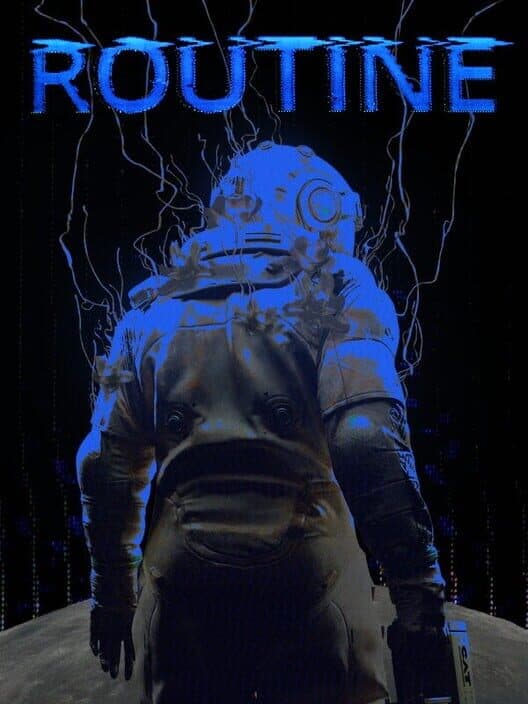
Routine cover art

Routine

Raw Fury • 2025 • Xbox Series X|S, PC (Microsoft Windows), Xbox One

IntenseStory-drivenEmotionally engaging

Is Routine Worth It?

Routine is worth it if you love tense, atmospheric horror and can handle a stressful, puzzle-driven experience without handholding. It delivers a focused 6–9 hour campaign with a striking retro-futurist look, excellent sound design, and a strong sense of place on its abandoned lunar resort. There’s no grind, no microtransactions, and no bloated side content—just a tightly scoped story you can realistically finish in a weekend. In exchange, it asks for real focus and tolerance for fear. There’s no map, no waypoints, and limited saving, so you’ll reread notes, mentally track layouts, and accept that a mistake can erase 10–20 minutes. If that sounds exciting, Routine is an easy full-price buy. If you’re curious about the vibe but unsure about your horror tolerance or the short length, it’s a great pick on sale. Players who mainly want relaxed, low-stress evenings, co-op fun, or power-fantasy combat are better off skipping this one and choosing something gentler or more social.

When is Routine at its best?

You have a quiet Friday night, headphones on, and want a concentrated 90-minute hit of slow, cerebral fear instead of something chatty or grindy.

You’re in the mood for a complete horror story you can finish over a single weekend, without worrying about DLC, endgame grinds, or long-term multiplayer commitments.

You’ve got a few evenings this week where you can play undisturbed, and you want to immerse yourself in a tense, atmospheric world that fully absorbs your attention.

What is Routine like?

Commitment

MODERATE

Commitment

A compact, one-weekend story that fits into a few 60–90 minute sessions, but isn’t friendly to frequent pauses or long gaps between plays.

MODERATE

Routine is surprisingly respectful of your total time. Most adults can see credits in 6–9 hours, so you’re not signing up for a months-long project. The campaign is linear and finite with no big grind, which makes it easy to plan around: two or three focused evenings and you’re done. Each area has save terminals that create natural stopping points after major puzzles or new discoveries. Where it’s less friendly is flexibility inside a session. Because the game doesn’t truly pause and you can’t save on demand, unexpected interruptions can cost you progress. Coming back after a week or two is also rough, since there’s no map and puzzle states can be hard to reconstruct. This means Routine works best when you can carve out proper, uninterrupted chunks rather than nibbling at it in ten-minute bursts. There’s no need to coordinate with friends or commit to long-term play, though; once you finish a single run, you can comfortably move on without FOMO.

Tips

  • Plan to play in 60–90 minute blocks where you’re unlikely to be interrupted, aiming to reach the next save terminal each session.
  • Try to finish a chapter or major area within a few days; long gaps make it harder to remember layouts and puzzle clues.
  • If your life is very interruption-heavy, consider waiting for a quieter weekend so the save system and no-pause design feel less punishing.

Focus

HIGH

Focus

Demands steady, eyes-on-screen concentration, careful reading, and quiet listening; it’s not something you can half-watch while chatting or checking your phone.

HIGH

Routine asks for real, undivided attention. Most of your time is spent walking slowly through eerie hallways, reading notes, cross-referencing codes, and mentally mapping the base because there’s no map or waypoints. You’re also constantly listening for audio cues that hint where a patrolling robot might be. On top of that, the game doesn’t pause safely, so even menu time or reading terminals can be dangerous if you’re not in a secure spot. This creates a steady, medium-high mental workload: you’re thinking about puzzles, remembering door labels, tracking where you’ve seen locked panels, and staying aware of your surroundings. For a busy adult, this means Routine works best when you have a quiet block of time and enough mental energy to really sink in. It’s not ideal background noise or “TV on the second monitor” material. When you can give it that focus, though, the immersion is strong and very rewarding.

Tips

  • Play when you can close the door, dim lights, and give it at least an hour without needing to answer messages or look away from the screen.
  • Keep a small notepad or phone notes handy for door codes, symbols, and room names so your brain isn’t juggling everything at once.
  • If you feel mentally fried, stop at the next save terminal; coming back fresher will make puzzles and navigation feel far less overwhelming.

Mastery

MODERATE

Mastery

Fairly quick to grasp, with noticeable benefits from learning its logic and layouts but limited long-term depth beyond a sharper, smoother second run.

MODERATE

Routine doesn’t take long to understand at a basic level. Within the first couple of hours you’ll know how your handheld device works, what the common puzzle patterns look like, and roughly how stealth encounters play out. There are no complex combat systems, skill trees, or crafting webs to learn. Instead, the “skill” is reading environments, noticing small details, remembering spaces, and respecting sound cues. Improvement matters, but only up to a point. As you get comfortable, you’ll move more confidently, die less, and waste less time circling the same corridors. If you ever replay, that knowledge can cut your total time dramatically. However, because the game is short and tightly scripted, there isn’t a huge, ongoing mastery curve like you’d find in a competitive game or deep sim. For a busy adult, this balance is nice: you’re not punished for taking a day off, and you can feel yourself getting better without needing to “learn a new hobby” just to enjoy the game.

Tips

  • Give yourself the first session just to learn the gadget and visual language instead of worrying about fast progress or perfect stealth.
  • Pay attention to recurring puzzle types and signage; recognizing patterns quickly is the main way you ‘level up’ without extra complexity.
  • If you ever replay, treat it as a personal speedrun: see how much smoother it feels when you already understand the base’s layout and logic.

Intensity

HIGH

Intensity

Emotionally fierce and nerve-wracking, with frequent spikes of sheer panic layered over a steady background hum of dread and vulnerability.

HIGH

Routine is intense in a very specific way. It’s not about frantic button-mashing; it’s about being constantly on edge. Long, quiet walks through dark corridors are loaded with anticipation because you never feel safe. A strange noise around the corner, a flicker of light, or the whine of a robot’s servos can send your heart racing. When things go wrong, you’re usually powerless rather than powerful, which turns every mistake into a jolt of fear followed by frustration at the lost time. Challenge-wise, it sits in the upper-middle band. Enemies are dangerous, save points are spaced enough to make death sting, and objectives can be opaque. That punishes carelessness and can compound stress if you’re already tired. For many horror fans this is exactly the appeal: being wired, scared, and then basking in the relief afterward. If you’re looking to unwind after a bad day, though, Routine may be too much.

Tips

  • Avoid playing right before bed if you’re sensitive to horror; instead, leave yourself 20–30 minutes afterward to decompress with something lighter.
  • If the tension starts to feel overwhelming, treat your next objective as simply reaching the nearest save point, not fully solving the next puzzle.
  • Take short breaks between sessions rather than pushing through exhaustion; high stress plus mental fatigue makes deaths and frustration more likely.

Frequently Asked Questions

You Might Also Like

Games with a similar rhythm and feel, even if they look different

Signalis game cover art
Story-drivenEmotionally engaging

Signalis

Commitment
MODERATE
Focus
HIGH
Mastery
MODERATE
Intensity
MODERATE
Silent Hill 2 game cover art
Story-drivenEmotionally engaging

Silent Hill 2

Commitment
MODERATE
Focus
MODERATE
Mastery
LOW
Intensity
HIGH
Scorn game cover art

Scorn

Commitment
LOW
Focus
MODERATE
Mastery
LOW
Intensity
MODERATE
Tunic game cover art

Tunic

Commitment
MODERATE
Focus
MODERATE
Mastery
MODERATE
Intensity
MODERATE
Cronos: The New Dawn game cover art
IntenseEmotionally engaging

Cronos: The New Dawn

Commitment
LOW
Focus
HIGH
Mastery
MODERATE
Intensity
HIGH
Dark Souls III game cover art
IntenseEmotionally engaging

Dark Souls III

Commitment
HIGH
Focus
HIGH
Mastery
HIGH
Intensity
HIGH
← Back to Home