Sloclap • 2022 • Xbox Series X|S, PlayStation 4, PC (Microsoft Windows), PlayStation 5, Xbox One, Nintendo Switch
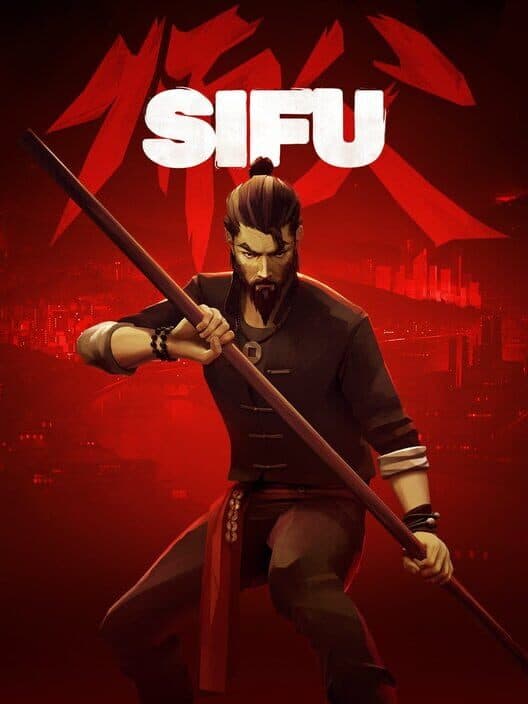
Sifu
Sloclap • 2022 • Xbox Series X|S, PlayStation 4, PC (Microsoft Windows), PlayStation 5, Xbox One, Nintendo Switch
Is Sifu Worth It?
Sifu is worth it if you want a compact action game where the real reward is getting better, not just leveling up. Its best feature is the hand-to-hand combat. Hits feel heavy, parries and avoids feel earned, and repeated runs through the same stages gradually turn panic into control. Very few games show your improvement this clearly. Buy at full price if that loop sounds exciting to you. You will probably get a lot out of the short campaign, then decide for yourself whether chasing younger clears and the merciful ending sounds fun. Wait for a sale if you like stylish action but mainly want story, lots of content, or constant new areas. Sifu is lean on plot and asks you to replay fixed levels on purpose. Skip it if repetition feels like homework, or if you want a relaxed weeknight game you can play half-distracted. For the right player, though, Sifu is excellent: sharp, memorable, and unusually satisfying.
What is Sifu like?
Opinions of Sifu
What Players Love
- Players Love
Precise martial arts combat feels weighty and deeply rewarding
Players consistently praise how parries, avoids, throws, and weapon pickups make every win feel earned. Success feels tied to real skill growth, not cheap upgrades.
- Players Love
Replaying stages makes improvement easy to feel every run
Many players love replaying stages at a younger age because shortcuts, permanent skills, and cleaner execution create visible progress from run to run.
- Players Love
Stylish levels and bosses give the campaign strong identity
The art direction, music, animation, and boss arenas give each stage a memorable feel, helping the compact campaign stay distinct even after repeats.
Common Concerns
- Common Concern
Tight-room camera issues can make some deaths feel unfair
The camera can push into walls or lose clear sight lines in cramped fights, which hurts readability and makes a few losses feel harsher than they should.
- Common Concern
Story and content feel lean after the combat clicks
A notable minority say the revenge story is more functional than memorable, and the fixed five-stage campaign can feel lean once the combat fully clicks.
Divisive Aspects
- Divisive
Aging and repetition are either the hook or hurdle
For some players, aging and replaying stages create the whole thrill. Others find that same structure discouraging when they want steady forward story progress.
What does Sifu demand from you?
Time
MODERATETime
The campaign is short, but the real hook is improving stage runs over time. Clear level boundaries and full pause make that easier to fit into life.
Focus
HIGHFocus
You need full screen attention for fast reads, spacing, and crowd control, but that concentration turns chaotic brawls into deliberate, almost dance-like encounters.
Challenge
MODERATEChallenge
It asks you to replay, study, and practice a compact combat language. In return, you feel yourself getting better in ways that are easy to see.
Intensity
HIGHIntensity
Every death matters, so even short stages feel tense. The game turns pressure into a big rush when a boss or room finally goes clean.
Frequently Asked Questions
You Might Also Like
Games with a similar rhythm and feel, even if they look different