Aspyr Media • 2016 • PlayStation 4, PC (Microsoft Windows), Mac, Xbox One, Android, iOS, Nintendo Switch, Linux
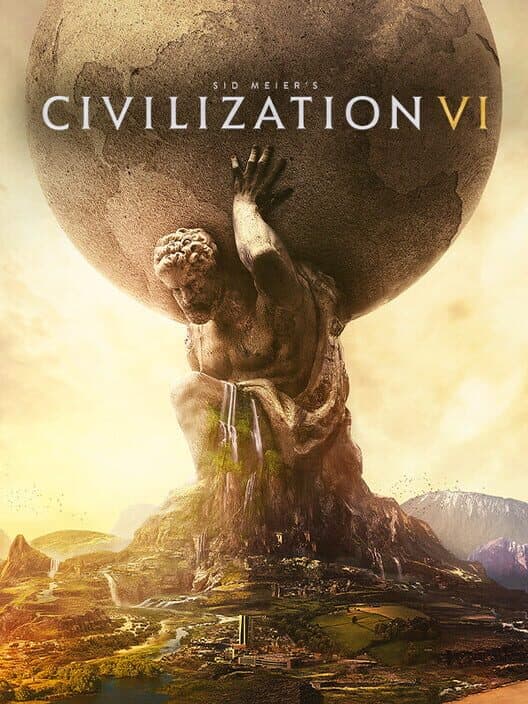
Sid Meier's Civilization VI is worth it if you enjoy long-range planning and love watching small choices grow into a full empire story. Its best feature is how city placement, districts, research, diplomacy, and military decisions all feed into each other, so smart choices made early still matter hours later. The turn-based pace is also great for real life because you can save anytime and step away without losing progress. The main drawback is that a single game can stretch across many evenings, and the late game often feels slower and more repetitive than the exciting opening. Buy at full price if you already know you like thoughtful strategy, board-game-style planning, or older Civilization games. Wait for a sale if you're curious but unsure about weak AI, light story, or lots of menu reading. Skip it if you want fast action, sharp narrative payoff, or something that feels fully satisfying in one weekend.

Aspyr Media • 2016 • PlayStation 4, PC (Microsoft Windows), Mac, Xbox One, Android, iOS, Nintendo Switch, Linux
Sid Meier's Civilization VI is worth it if you enjoy long-range planning and love watching small choices grow into a full empire story. Its best feature is how city placement, districts, research, diplomacy, and military decisions all feed into each other, so smart choices made early still matter hours later. The turn-based pace is also great for real life because you can save anytime and step away without losing progress. The main drawback is that a single game can stretch across many evenings, and the late game often feels slower and more repetitive than the exciting opening. Buy at full price if you already know you like thoughtful strategy, board-game-style planning, or older Civilization games. Wait for a sale if you're curious but unsure about weak AI, light story, or lots of menu reading. Skip it if you want fast action, sharp narrative payoff, or something that feels fully satisfying in one weekend.
Players repeatedly say each turn dangles a fresh goal, like finishing a wonder or reacting to a threat, which makes planned short sessions stretch much longer.
A common complaint is that computer leaders make strange choices, while diplomacy swings can feel arbitrary instead of like smart rivals adapting to the map.
Some players enjoy the bright, readable art because it makes the map easy to parse, while others miss the grander, more serious look of older entries.
District placement is widely praised as the game's standout idea because early choices stay meaningful for hours and give cities clear identities.
Many players love the opening eras most, then feel later turns become slower and more repetitive as city management grows and victory cleanup drags on.
Fans often point to leader bonuses, random starts, map scripts, and different win goals as the reason campaigns still feel distinct after many matches.
Players repeatedly say each turn dangles a fresh goal, like finishing a wonder or reacting to a threat, which makes planned short sessions stretch much longer.
District placement is widely praised as the game's standout idea because early choices stay meaningful for hours and give cities clear identities.
Fans often point to leader bonuses, random starts, map scripts, and different win goals as the reason campaigns still feel distinct after many matches.
A common complaint is that computer leaders make strange choices, while diplomacy swings can feel arbitrary instead of like smart rivals adapting to the map.
Many players love the opening eras most, then feel later turns become slower and more repetitive as city management grows and victory cleanup drags on.
Some players enjoy the bright, readable art because it makes the map easy to parse, while others miss the grander, more serious look of older entries.
Single turns fit busy nights well, but a satisfying empire arc stretches across many sessions and asks you to remember a lot when returning.
Civilization VI is flexible minute to minute but demanding across the full arc of a match. A single session can be as short as twenty minutes or as long as an accidental two-hour spiral, and the game supports that well because you can save almost anytime. Turns, completed technologies, founded cities, and new eras create decent soft stopping points, even if the famous 'one more turn' pull keeps tempting you forward. The bigger ask is that one satisfying run usually stretches across many evenings. This is not a quick start-to-finish experience. It is a long project that slowly gains weight as your empire grows. Coming back after several days away is doable, but not frictionless. You may need a few minutes to remember city roles, diplomatic tensions, and what your actual win plan was. Solo play makes scheduling easy, though, since you are not coordinating with anyone else. It asks for sustained return visits more than long uninterrupted marathons, and that makes it workable if your calendar is busy but predictable.
Civilization VI gives you endless thinking time, but fills that time with constant tradeoffs, map reading, and long-range planning that can easily eat an evening.
Civilization VI asks for real brain space, but not constant physical attention. Because everything is turn-based, you can pause, look away, answer a text, or deal with life without getting punished. That makes it much easier to fit into a busy evening than most strategy games. The tradeoff is that once you sit back down, the game wants thoughtful planning. Nearly every turn asks you to compare tradeoffs: where to place a district, what to build next, which technology matters now, whether a neighbor needs appeasing, and how your chosen win condition is progressing. The thinking is mostly big-picture and analytical rather than fast or precise. You are reading the map, spotting long-term value, and deciding what matters most over the next ten to twenty turns. Late-game turns can become administratively heavy as your empire grows, so the game is rarely mindless even when nothing dramatic is happening. It asks for a calm, focused head and rewards people who enjoy slow, connected decisions.
You can learn the buttons quickly, but real comfort comes after a full campaign when districts, policy timing, and victory planning finally click together.
The basics come quickly. You can learn how turns, research, city production, and unit movement work in an evening. The harder part is understanding how the systems support each other over a full match. Civilization VI asks you to notice that a good district spot now can shape a city fifty turns later, or that a neglected military can ruin an otherwise strong economy. That bigger-picture understanding usually takes one messy campaign and part of another. The learning process is helped by clear menus, tooltips, and the Civilopedia, so the game is far from opaque. Still, it has enough moving parts that your first real win feels like a breakthrough. Mistakes are usually recoverable on normal difficulty, which keeps the learning process from feeling punishing. It asks for patience with connected systems and pays you back with that great feeling of seeing early choices still matter hours later.
This is thoughtful pressure, not panic: losing a wonder race stings, surprise wars matter, yet the game rarely sends your heart rate through the roof.
This is a low-adrenaline, medium-pressure experience. Civilization VI rarely creates the kind of stress that comes from fast enemies, jump scares, or twitch reactions. Most of the time, the mood is measured and thoughtful. You stare at a map, weigh options, and slowly shape a plan. The pressure comes from slower burns: losing a wonder to another leader by a few turns, spotting barbarians near an exposed city, or watching a rival edge ahead toward a science win. Those moments can sting, but the game usually gives you time to respond. Even war feels more like a tactical board game than a panic event. On normal difficulty, setbacks matter without feeling cruel, and most runs unravel gradually rather than collapsing instantly. That makes the emotional pull more about absorption than exhaustion. It asks you to care about long-term consequences and delivers the satisfying tension of a close race, without usually sending your heart rate through the roof.
Games with a similar rhythm and feel, even if they look different