Devolver Digital • 2026 • PC (Microsoft Windows), Mac
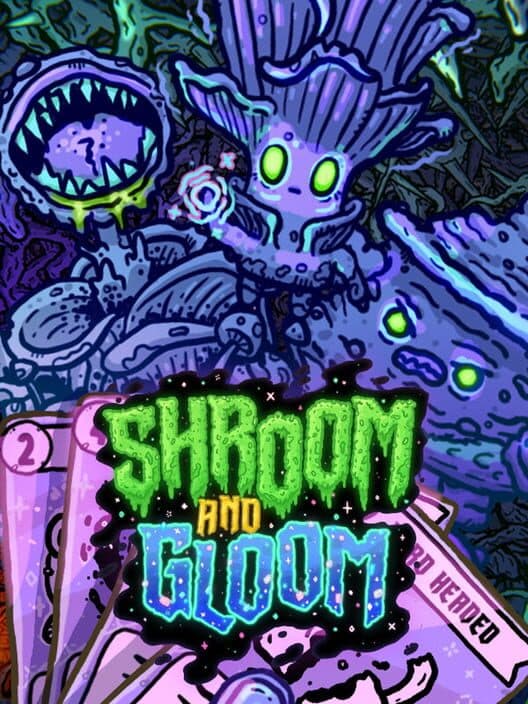
Shroom and Gloom
Devolver Digital • 2026 • PC (Microsoft Windows), Mac
Is Shroom and Gloom Worth It?
Yes, Shroom and Gloom is worth it if you love deckbuilders that feel genuinely different, and it's an easy full-price buy if you don't mind Early Access rough edges. Its best trick is the two-deck setup: one deck handles fights, the other handles room exploration, so even moving through the dungeon feels like build-crafting. Add the no-block healing system, and runs become tense little greed puzzles where every chest, rest, and upgrade matters. What it asks from you is steady thinking, not fast hands. The first few hours can be bumpy while you learn why health is both life bar and spending money, and some characters or routes are rougher than others. What it gives back is great art, huge combo turns, and that wonderful roguelite feeling of a weak starter card turning into a monster. Buy now if that sounds exciting. Wait for a sale if you want more content and polish. Skip it if you want rich story, cozy vibes, or save-anywhere convenience.
What is Shroom and Gloom like?
Opinions of Shroom and Gloom
What Players Love
- Players Love
Hand-drawn fungal world makes a strong first impression
Players consistently praise the layered art, surreal tunnels, and moody colors. Even people unsure about the systems often mention the look first.
- Players Love
Two linked decks keep every room and fight fresh
The explore deck and combat deck give decisions weight in and out of battle. The no-block healing model helps it stand apart from familiar deckbuilders.
- Players Love
Starter cards can grow into absurd combo engines
A common highlight is watching weak early cards become the center of huge turns. That sense of growth gives runs a fun snowball payoff.
Common Concerns
- Common Concern
Some characters and routes feel much rougher than others
Players often call out uneven balance, especially on certain characters or the Facility path. The issue feels more spiky and inconsistent than uniformly hard.
- Common Concern
Current Early Access content can start repeating too soon
Many players still like the core loop, but fixed maps and lower route variety can make repeat runs feel familiar faster than genre favorites.
- Common Concern
Control and polish issues still show through the charm
Bug fixes are arriving, yet players still mention remapping gaps, accidental inputs, and occasional technical hiccups that remind you this is still Early Access.
What does Shroom and Gloom demand from you?
Time
MODERATETime
A first satisfying run arc fits into a few weeks of normal play, though nightly sessions work best when you stop at checkpoints.
Focus
MODERATEFocus
Thoughtful and card-heavy, with constant small risk calls, but the turn-based pace gives you time to stop, read, and plan.
Challenge
MODERATEChallenge
The first hurdle is learning its strange healing economy; once that clicks, the game feels demanding but readable rather than brutally punishing.
Intensity
MODERATEIntensity
Pressure comes from greed and run stakes, not reflex panic, creating a steady knot-in-your-stomach feeling instead of nonstop adrenaline most nights.
Frequently Asked Questions
You Might Also Like
Games with a similar rhythm and feel, even if they look different