Humble Games • 2019 • PlayStation 4, Linux, Android, PC (Microsoft Windows), iOS, Mac, Xbox One, Nintendo Switch
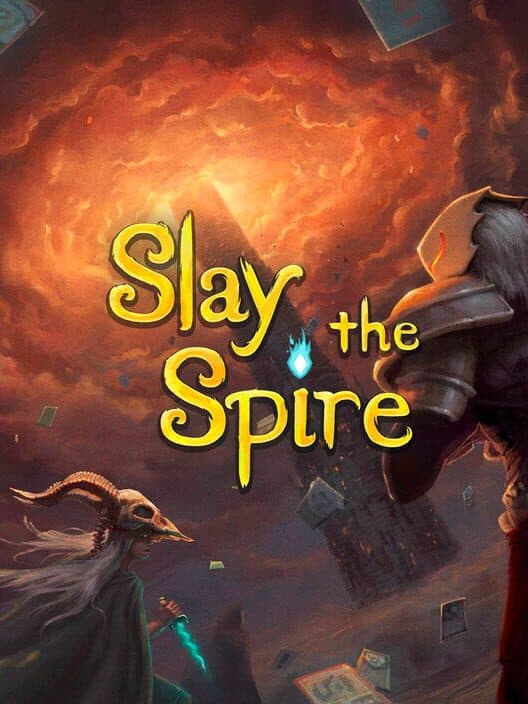
Turn-based roguelike deckbuilder with tactical combat
Compact 30–60 minute runs feel complete
Purely solo, highly replayable strategic runs
Slay the Spire is absolutely worth it if you enjoy thoughtful games and want something you can dip into for a single satisfying session. It asks for focused thinking, a tolerance for losing runs, and an interest in learning how different cards and relics work together. In return, it delivers some of the best “one more try” gameplay out there, with endlessly surprising deck combinations and a steady sense of getting smarter over time. It’s especially strong value for busy adults because runs are compact, saving is flexible, and you can walk away for weeks without feeling lost when you come back. There’s no grindy checklist, no fear of missing out events, and no paid power boosts—just pure, repeatable strategy. If you crave big cinematic stories or hate reading card text, this probably isn’t your game. But if a clever, replayable card roguelike sounds appealing, it’s well worth buying at full price and will almost certainly outlast many longer, flashier titles.

Humble Games • 2019 • PlayStation 4, Linux, Android, PC (Microsoft Windows), iOS, Mac, Xbox One, Nintendo Switch
Turn-based roguelike deckbuilder with tactical combat
Compact 30–60 minute runs feel complete
Purely solo, highly replayable strategic runs
Slay the Spire is absolutely worth it if you enjoy thoughtful games and want something you can dip into for a single satisfying session. It asks for focused thinking, a tolerance for losing runs, and an interest in learning how different cards and relics work together. In return, it delivers some of the best “one more try” gameplay out there, with endlessly surprising deck combinations and a steady sense of getting smarter over time. It’s especially strong value for busy adults because runs are compact, saving is flexible, and you can walk away for weeks without feeling lost when you come back. There’s no grindy checklist, no fear of missing out events, and no paid power boosts—just pure, repeatable strategy. If you crave big cinematic stories or hate reading card text, this probably isn’t your game. But if a clever, replayable card roguelike sounds appealing, it’s well worth buying at full price and will almost certainly outlast many longer, flashier titles.
Best when you have 45–60 minutes free in the evening and want something mentally engaging but low on reflex demands, like a strategic board game you can play solo.
Great if you enjoy slowly mastering a deep system over several weeks, squeezing in a run here and there without worrying about remembering story beats or quest lines.
Ideal for parents or busy professionals who face frequent interruptions, since you can pause instantly and safely stop between rooms without losing progress or annoying teammates.
Short, self-contained runs fit into 30–60 minute sessions, with flexible saving and almost no penalty for taking long breaks between play nights.
In terms of time, Slay the Spire is very friendly to adult schedules. A full run usually takes 30–60 minutes depending on how carefully you think, and the game autosaves between rooms so you can split that run across multiple sittings. There’s no need to remember plot points, quest chains, or complicated control schemes after time away; you can simply start a new run and be back in the groove within minutes. You’ll likely feel you’ve “had your fill” somewhere around 20–40 hours, after unlocking the characters, seeing the main deck styles, and earning a few wins. Everything beyond that—higher difficulties, special modes, chasing rare achievements—is optional spice, not required homework. Socially, there’s zero obligation. It’s purely single-player with no raids, no matchmaking schedules, and no pressure to keep up with friends. That makes it easy to pick up for a quiet hour at night or on a weekend afternoon without planning ahead.
Slow, thinky card battles with almost constant decisions and zero reflex pressure, best when you’re mentally alert but fine if real life interrupts often.
Playing Slay the Spire feels like sitting down with a really good strategy board game. Almost every turn, every reward screen, and every fork on the map asks you to make a real choice. You’ll be reading card text, counting damage, planning around enemy intents, and thinking a few turns ahead. There’s no timer, no aim requirements, and no combo inputs to memorize, so your hands get to relax while your brain does the work. Because it’s fully turn-based, you can take as long as you want on each decision. You’re free to pause mid-thought, check your phone, or deal with kids without any penalty. The only catch is that long sessions can get mentally tiring, because the game rarely gives you autopilot moments. For a busy adult, that means it’s fantastic when you have a clear hour and feel mentally awake, but less ideal when you’re totally fried and just want to zone out.
Easy to pick up, but learning what to take, what to skip, and how to plan runs offers a long, rewarding path of improvement.
Slay the Spire teaches its surface rules quickly: play cards, block attacks, climb the tower. Within a run or two you’ll understand what attack, skill, and power cards do and how energy works. The deeper learning lives in the quiet details: recognizing bad cards even when they look flashy, building around a few strong ideas instead of taking everything, and routing safely through elites and rest sites. You don’t need to master all of that to have fun. Casual play on base difficulty is enjoyable even while you’re making plenty of mistakes. But as you start to recognize patterns—how much defense you need, why smaller decks are often better, what relics enable crazy combos—you’ll notice your win rate climb. That growing competence is a big part of the game’s appeal. For busy adults, this creates a nice arc: the first 5–10 hours are discovery and confusion, the next 10–20 are steady improvement, and beyond that you can chase higher difficulties or just enjoy reliable wins.
Moderately tense but not overwhelming, with frequent losses that sting briefly yet feel fair, more like a competitive board game than a stressful action title.
Emotionally, Slay the Spire sits in a sweet spot between relaxing and intense. Most of the time you’re in calm, thoughtful mode, weighing risks and planning turns. Tension ramps up when your health is low, a boss is about to swing hard, or a risky deck finally has to prove itself. When you die, you lose the whole run, so there’s a quick punch of frustration followed by the itch to immediately try again. Because nothing happens in real time, that tension rarely turns into panic. There are no jump scares, no sudden failures you couldn’t see coming, and no long, punishing grinds undone by a single mistake. It’s more like holding your breath during a key dice roll in a board game than clenching through a twitchy boss fight. For many adults, that means it’s engaging without being draining. The main emotional cost is learning to accept failed runs as part of the process and resisting the urge to tilt into one more angry run when you’re tired.
Games with a similar rhythm and feel, even if they look different