ArtDock • 2026 • Xbox Series X|S, PC (Microsoft Windows), Mac, Nintendo Switch
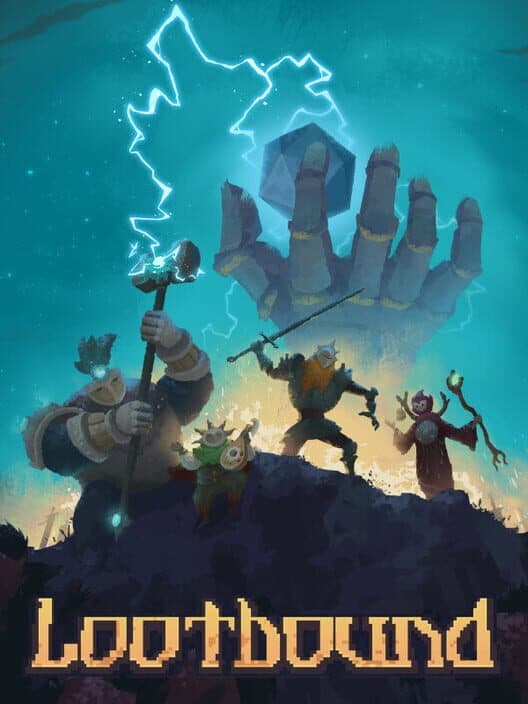
Lootbound
ArtDock • 2026 • Xbox Series X|S, PC (Microsoft Windows), Mac, Nintendo Switch
Is Lootbound Worth It?
Yes, Lootbound is worth it if you enjoy buildcraft more than spectacle. Its best idea is turning oddly shaped loot and aura bonuses into a smart little engine, and that loop lands fast. A great session feels like solving a compact evening puzzle: pick a route, recruit allies, reshuffle gear, and watch a shaky party become a coherent plan. The catch is that the combat itself is not as deep as the inventory game around it. If you want rich story, broad exploration, or XCOM-level battle decisions, this may feel thinner than the pitch suggests. Full price makes sense for players who love Backpack Hero or Slay the Spire style decision-making and don't need endless variety. Wait for a sale if you like the idea but want more content breadth, stronger long-term replay, or a clearer save-anywhere system. Skip it if randomness regularly ruins these games for you, or if you need the fights themselves to carry the experience. For the right player, though, its tight, thoughtful loop is easy to recommend.
What is Lootbound like?
Opinions of Lootbound
What Players Love
- Players Love
The inventory layout puzzle is the standout hook
Players consistently praise the oddly shaped loot and adjacency bonuses. Turning a messy bag into a strong, coherent build is the game's biggest thrill.
- Players Love
Pixel art and short runs fit busy evenings well
The visual style lands, and many players like that a run feels manageable after work. It is easier to fit into a normal night than bigger tactics games.
Common Concerns
- Common Concern
Random rewards can make careful planning feel shaky
A common complaint is that dice rolls and reward variance can disrupt a smart plan. Even after patches, some players still feel luck can override strategy.
- Common Concern
Combat feels simpler than the build setup around it
Many players enjoy preparing a party more than using it. Fights are often described as slower, lighter, or less tactical than the loot system suggests.
- Common Concern
Replay value drops once the content starts repeating
A lot of players like the first clear, then notice repeated map flow, enemies, and reward patterns. The core idea is strong, but the pool can feel compact.
Divisive Aspects
- Divisive
Players disagree on whether balance is too harsh or too easy
Some players still hit rough boss spikes or bad-roll frustration, while others say patched runs feel too soft. Balance is one of the most split topics.
What does Lootbound demand from you?
Time
LOWTime
Runs usually fit a weeknight, the whole package is compact, and returning later is easy if you still remember the basics.
Focus
MODERATEFocus
Most of your attention goes to route choices and inventory layout, not fast inputs, with enough breathing room between fights to think.
Challenge
MODERATEChallenge
Easy to start, trickier to truly read, as item shapes, auras, mana, and party roles slowly click into one system.
Intensity
LOWIntensity
Pressure comes from run stakes and swingy rewards, but the turn-based pace keeps most nights thoughtful instead of heart-racing overall.
Frequently Asked Questions
You Might Also Like
Games with a similar rhythm and feel, even if they look different