hello@slated.gg
Powered by IGDB•Privacy•Terms

© 2026 Slated.gg

Slated.gg
Popular GamesAboutDiscover Games
Black Jacket

Skystone Games • 2026 • Xbox Series X|S, PC (Microsoft Windows), PlayStation 5, Nintendo Switch
Satisfying to completePerfect for a weekend
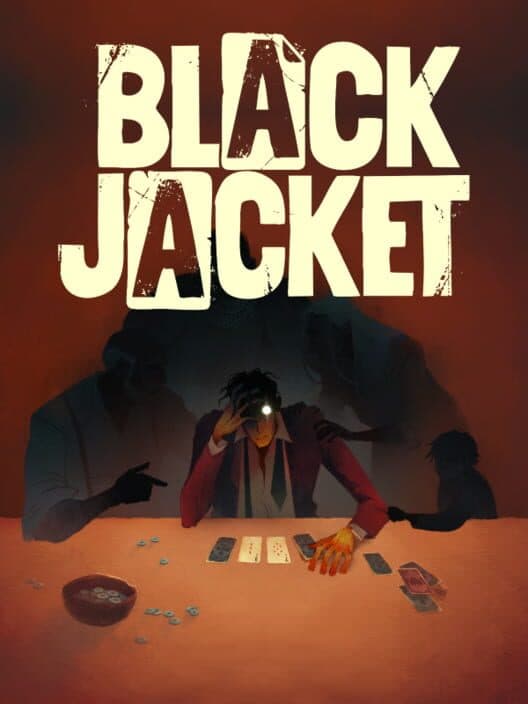
Black Jacket cover art

Black Jacket

Skystone Games • 2026 • Xbox Series X|S, PC (Microsoft Windows), PlayStation 5, Nintendo Switch

Satisfying to completePerfect for a weekend

Is Black Jacket Worth It?

Yes, Black Jacket is worth it if you want a smart, stylish card game that gives you meaningful wins in weeknight-sized chunks. Its best trick is turning familiar blackjack math into tense little battles full of cheating tools, suit combos, and coin pressure, so every good turn feels like you stole a victory the game never meant to allow. The atmosphere helps a lot too. Strong voice work and a surprisingly sad underworld story give runs more personality than the premise suggests. What it asks from you is mental energy, not fast hands. You will spend your time reading effects, planning a few turns ahead, and learning which bosses punish greedy decks. If that sounds fun, the price is easy to justify at full cost. If you enjoy card games but hate launch roughness, waiting for a small sale while patches continue is reasonable. Skip it if you want something mindless, bright, or instantly readable while distracted.

What is Black Jacket like?

Opinions of Black Jacket

What Players Love

  • Players Love

    Blackjack rules bloom into surprisingly real tactical depth

    Players keep praising how hit, stand, and bust decisions become richer through suits, sabotage effects, sleeves, and coin pressure that reward careful planning.

  • Players Love

    Voice acting and underworld story land harder than expected

    Many players expected a neat gimmick and got something moodier. Strong voice work, boss banter, and memory scenes give repeated runs real emotional pull.

  • Players Love

    Rule-bending combos make losing boards flip fast and feel brilliant

    The happiest comments describe sudden reversals: a stored card, a well-timed cheat, or a suit combo turns a bad table into a clean win.

Common Concerns

  • Common Concern

    Bugs and cluttered tooltips can sometimes break momentum

    Early reviews often mention freezes, black screens, and overloaded tooltips. Patches have helped, but technical hiccups and busy menus still show up.

Divisive Aspects

  • Divisive

    Balance and long-term depth split veteran card players

    Some players enjoy the focused scope and sharp boss checks, while others think certain suits or late difficulties expose thinner long-term variety.

What does Black Jacket demand from you?

Time

LOW

Time

A compact solo game with clean run boundaries, solid pause support, and first-credit payoff in a week or two, not a lifestyle commitment.

LOW

For a run-based strategy game, Black Jacket is refreshingly respectful of your time. A satisfying first clear usually lands around 8 to 14 hours, which means you can get the full emotional and mechanical arc without turning it into your only game for months. Sessions naturally break at fights, shops, events, bosses, and run endings, so it is easy to say 'one more stop' and still end on something that feels complete. It also fits real life pretty well. You can pause at any time, play fully offline, and never worry about teammates or scheduled groups. The one catch is that long breaks add a little rust. If you come back after a week or two, you may need a few minutes to remember why your deck was built a certain way and what the next boss is likely to punish. Save behavior also seems more checkpoint-friendly than truly freeform, so it is smartest to finish the current encounter before quitting when possible. Still, compared with many roguelites, this is a compact and very manageable relationship.

Tips
  • Most sessions feel best in 45 to 90 minute chunks, long enough for a few encounters and maybe a boss.
  • If you might stop soon, finish the current encounter before quitting; pause is great, but exact mid-hand save behavior is still murky.
  • After a break, spend two minutes reading your suit tools and artifacts before picking a route; it saves a surprising number of sloppy mistakes.

Focus

MODERATE

Focus

Thought-heavy but never twitchy, with constant card math and route planning in small bursts that let you pause, breathe, and choose carefully.

MODERATE

Black Jacket asks for steady, thoughtful attention, but not the white-knuckle kind. Most of your brainpower goes into card math, coin pressure, slot effects, and deciding when to save a powerful card for later instead of cashing it in now. Because the board is small and turns never rush you, the thinking stays clear and local rather than overwhelming. You are usually solving the next two or three good moves, not trying to manage a huge spreadsheet in your head. That makes it great for players who like feeling clever. It asks you to slow down, read carefully, and notice when normal blackjack logic no longer applies. In return, it delivers those delicious turns where a hand that looked dead suddenly becomes a win because you sequenced everything just right. You can absolutely pause, look away, or deal with life for a minute. Still, this is not a great second-screen game. If you play distracted, you'll miss key effects and spend coins in ways that feel bad later.

Tips
  • Before spending soul coins, pause and name your current plan: survive safely, burst a boss turn, or protect a strong combo piece.
  • Use the sleeve for future-value cards, not just big numbers; storing the right effect often matters more than winning the current hand.
  • If the board looks messy, count coin swing first and card value second; many good plays are really economy plays.

Challenge

MODERATE

Challenge

Easy to read at first glance, then steadily deeper as suit synergies, cursed bosses, and deck trimming teach you how to cheat smart.

MODERATE

Black Jacket is approachable faster than many card-heavy strategy games because the blackjack base gives you something familiar right away. You already understand why hitting, standing, and busting matter. What the game asks next is the interesting part. It slowly teaches you that normal blackjack rules are only the starting point, and the real skill comes from abusing suit synergies, awakened cards, sleeves, sabotage tools, and boss-specific exceptions. That creates a learning curve that feels fair for curious players and rough for impatient ones. Your first few hours may include losses that seem rude or confusing, especially when a build that looked strong falls apart under a boss curse. Stick with it, though, and the game starts paying back quickly. Each failed run usually leaves you with a better read on coin control, deck thinning, and when to commit to a combo. It asks for a few sessions of honest experimentation, then delivers the satisfying sense that you are no longer hoping for luck. You are shaping it.

Tips
  • Pick suits with one clear shared plan early; learning a focused combo teaches the game faster than testing everything at once.
  • Thin weak cards aggressively once your engine appears; smaller decks make cheating tools and awakened cards show up when needed.
  • When a run fails, note the actual cause like bad coin control or greedy routing, not just bad luck, and adjust next time.

Intensity

MODERATE

Intensity

Pressure comes from coin losses, bad draws, and nasty boss twists, but the turn-based pace keeps it tense and absorbing instead of pure panic.

MODERATE

This is a tense game, not a frantic one. The stress mostly comes from watching your soul coins shrink, seeing a boss curse punish the plan that carried you through earlier fights, or realizing one greedy draw could turn a stable run into a collapse. Because the game is built around wagers and reversals, it creates a steady sense of risk even when nothing is moving quickly. The nice part is that the pressure usually feels like good pressure. It asks you to care about every hand, then rewards you with sharp little comebacks and satisfying 'I got away with that' wins. The bad side shows up when you are already tired or tilted, because a rude boss modifier can make a loss feel harsher than the game's calm pace suggests. This is usually better for evenings when you want something absorbing and mentally sharp, not for half-asleep winding down. If you like strategy that keeps stakes alive without demanding fast reflexes, it lands in a very appealing middle ground.

Tips
  • Stop after a boss win or loss, not halfway through frustration; the game reads much cleaner when you start the next run fresh.
  • Treat low coin totals as warning lights, not disasters; shift into safer lines before a flashy combo leaves you broke.
  • Boss curses are meant to feel rude, so read them twice and play one hand more conservatively than you think.

Frequently Asked Questions

Black Jacket is moderately hard. It is not hard to control, because there are no reflex checks, but it can be hard to read well. The challenge comes from knowing when the obvious blackjack play is actually the wrong one because suits, sleeves, curses, and coin pressure have changed the rules. Your first few runs may feel a little unfair for that reason. The good news is that it is easier to learn than the toughest card-heavy strategy games. If you have played Balatro or Slay the Spire, this sits below the most punishing versions of those games for basic understanding, but it still expects you to notice synergies and plan ahead. Most players should feel functional within a few hours and genuinely competent after several more. Bosses are the real skill checks, especially if you built too greedily. So think of it as easy to start, medium-hard to win consistently, and rewarding once the systems click.

Expect roughly 8 to 14 hours to reach first credits if you are playing at a normal pace and learning as you go. If the game really hooks you, another 10 to 30 hours can disappear into extra runs, harder Journeys, and experimenting with more suit combinations. Completionists chasing everything can push well past that. It fits a busy schedule better than many run-based strategy games. A typical session of 45 to 90 minutes is enough for a few encounters and often a boss, and the structure gives you clear stopping points at shops, events, and run endings. You can pause freely, which helps a lot. The one small caveat is saving: the game seems more checkpoint-friendly than fully save-anywhere, so it is safest to finish the current encounter before you quit if you can. Overall, it is a compact game with room to grow, not an endless commitment.

Black Jacket is moderately stressful in a good way. Most of the pressure comes from soul coin losses, risky draws, and boss curses that can turn a comfortable run into a scramble. It keeps you engaged and alert, but because everything is turn-based, it usually feels like tense problem-solving rather than panic. That distinction matters. This is not the kind of game that spikes your heart rate the way horror games or fast action games do. You always have time to stop, read, and think. The rougher moments are more mental than physical, especially when you realize a greedy choice two turns ago has left you in a bad spot now. If you enjoy strategy with real stakes, that tension is part of the fun. If you are already tired, frustrated, or looking for a truly cozy night, it may feel more draining than relaxing. Best played when you want something absorbing and clever, not sleepy background play.

Yes, and that is exactly how it is meant to be played. Black Jacket is a single-player game with no co-op requirements, no guild-style obligations, no matchmaking, and no pressure to keep up with other people. You can play fully offline, pause whenever life gets in the way, and make progress in short evening sessions. That also makes it fairly casual-friendly, with a small catch. The structure is kind to your schedule because runs have clear checkpoints and natural stopping points. But it is not a brain-off game. If you drop it for a week or two, you may need a few minutes to remember what your current suit plan was, why you cut certain cards, and what the next boss is likely to punish. So yes, it is very soloable and pretty manageable for a busy week. Just expect to bring some attention when you sit back down.

No. Black Jacket is a straightforward one-time purchase, and the optional Supporter Pack is cosmetic only. There are no paid cards, paid power boosts, energy timers, battle passes, or shortcut purchases that make your runs stronger than someone else's. That matters even more here because the whole appeal is learning the systems and earning your wins through deck choices, coin management, and clever sequencing. Selling power would undercut the game, and there is no sign that it does. Everything meaningful happens inside the base game. If you lose, it is because the run went badly or you misread the situation, not because the store wanted another purchase. For players who are tired of monetized progression, this is refreshingly clean. Buy the base game if the concept sounds good. Ignore the cosmetic add-on unless you simply want to support the developers.

You Might Also Like

Games with a similar rhythm and feel, even if they look different
Explore more→
Inscryption game cover art
Satisfying to completePerfect for a weekend

Inscryption

Time
MODERATE
Focus
MODERATE
Challenge
MODERATE
Intensity
MODERATE
Slay the Spire II game cover art
Satisfying to completePerfect for a weekend

Slay the Spire II

Time
LOW
Focus
MODERATE
Challenge
MODERATE
Intensity
MODERATE
Slay the Spire game cover art
Satisfying to completePerfect for a weekend

Slay the Spire

Time
LOW
Focus
MODERATE
Challenge
MODERATE
Intensity
MODERATE
XCOM 2 game cover art

XCOM 2

Time
MODERATE
Focus
MODERATE
Challenge
MODERATE
Intensity
HIGH
Persona 3 Reload game cover art

Persona 3 Reload

Time
HIGH
Focus
MODERATE
Challenge
MODERATE
Intensity
LOW
Into the Breach game cover art
Satisfying to completePerfect for a weekend

Into the Breach

Time
MODERATE
Focus
MODERATE
Challenge
MODERATE
Intensity
MODERATE
← Back to Home