Edmund McMillen • 2026 • PC (Microsoft Windows)
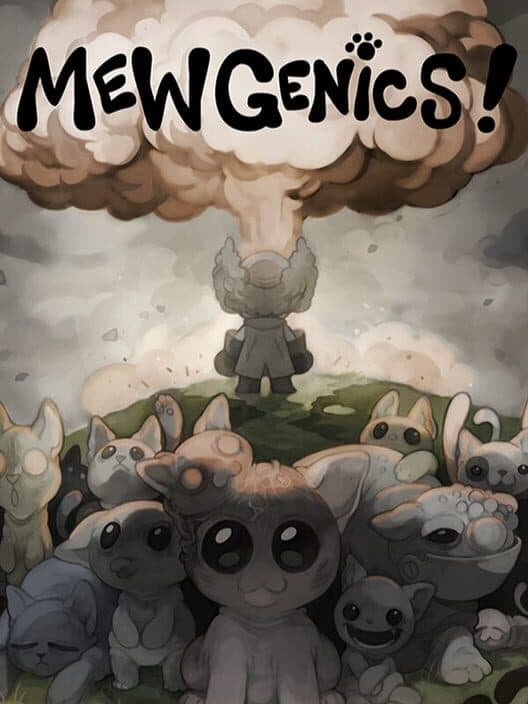
Mewgenics is worth it if you want a deep, long-lasting strategy game that can become a genuine evening hobby. Its best hook is the way short-term battles feed a bigger family story. You are not just winning fights. You are shaping bloodlines, finding absurd item combos, and slowly building a house full of future possibilities. That makes the highs unusually memorable. The catch is that it asks for patience. The interface can be messy, the rules are not always cleanly explained, and some losses will feel rough rather than elegant. It is also a very long game. If you want something polished, tidy, and finished in a few weeks, this is probably the wrong fit. Buy at full price if you already love turn-based planning, strange humor, and games that keep opening up after 20 or 30 hours. Wait for a sale if the idea sounds great but UI friction or gross-out style might wear on you. Skip it if you want fast clarity, low punishment, or a short self-contained campaign.

Edmund McMillen • 2026 • PC (Microsoft Windows)
Mewgenics is worth it if you want a deep, long-lasting strategy game that can become a genuine evening hobby. Its best hook is the way short-term battles feed a bigger family story. You are not just winning fights. You are shaping bloodlines, finding absurd item combos, and slowly building a house full of future possibilities. That makes the highs unusually memorable. The catch is that it asks for patience. The interface can be messy, the rules are not always cleanly explained, and some losses will feel rough rather than elegant. It is also a very long game. If you want something polished, tidy, and finished in a few weeks, this is probably the wrong fit. Buy at full price if you already love turn-based planning, strange humor, and games that keep opening up after 20 or 30 hours. Wait for a sale if the idea sounds great but UI friction or gross-out style might wear on you. Skip it if you want fast clarity, low punishment, or a short self-contained campaign.
Players regularly praise how classes, items, and mutations combine into wild runs. Many say they were still finding strong new synergies long after the opening stretch.
A common complaint is that key information takes too many hovers, clicks, or menu checks to read. Controller and handheld play are mentioned as rougher than mouse use.
For some, the crude jokes, meowing, and ugly-cute look are the game's identity. For others, that same presentation becomes tiring or off-putting over longer play.
Fans often point to the hand-made look, soundtrack, and offbeat tone as a big part of the appeal. For the right player, the strange style makes runs more memorable.
Many players accept randomness, but some events and boss twists are seen as too punishing without enough warning. The issue is fairness, not the presence of luck itself.
Some players love the long bloodline plan at first, then feel house upgrades, donations, and breeding management take too long to fully come together later on.
Players regularly praise how classes, items, and mutations combine into wild runs. Many say they were still finding strong new synergies long after the opening stretch.
Fans often point to the hand-made look, soundtrack, and offbeat tone as a big part of the appeal. For the right player, the strange style makes runs more memorable.
A common complaint is that key information takes too many hovers, clicks, or menu checks to read. Controller and handheld play are mentioned as rougher than mouse use.
Many players accept randomness, but some events and boss twists are seen as too punishing without enough warning. The issue is fairness, not the presence of luck itself.
Some players love the long bloodline plan at first, then feel house upgrades, donations, and breeding management take too long to fully come together later on.
For some, the crude jokes, meowing, and ugly-cute look are the game's identity. For others, that same presentation becomes tiring or off-putting over longer play.
This is a long-haul solo game that works in evening chunks, but it still wants weeks of memory and many sessions before its full shape really lands.
Time is the biggest ask here. A single night is enough to understand the hook, and 60 to 90 minute sessions fit the structure pretty well because you can usually prep at home, tackle a small stretch of nodes, and wrap on a checkpoint or return trip. But Mewgenics is built to stretch far beyond that. The real payoff comes from watching many runs feed a larger family line, house setup, upgrade web, and late-campaign push. That means the game asks for repeated returns over a long period and delivers a hobby-like sense of accumulation that few tactics games match. It is also very solo-friendly. You never need a group, a schedule, or online coordination. The main scheduling caveat is stopping cleanly. Pausing is easy, but fully quitting in the middle of a battle is less smooth than it should be. Coming back after a week away is also a little sticky, since your broader plans are easy to forget. It fits busy evenings better than busy, scattered habits.
You can pause and breathe, but actually playing well means reading a crowded board, planning ahead, and tracking a lot of long-term baggage.
Mewgenics asks for real attention, just not fast attention. In the middle of a fight, you are reading enemy behaviors, status effects, terrain hazards, turn order, item uses, and where your cats might stand a turn or two from now. Back at home, the thinking shifts instead of disappearing. You start weighing who should breed, who should rest, which gear matters tonight, and whether a strong cat is more valuable on the field or in the bloodline. That means the game asks for steady, thoughtful focus and delivers the pleasure of solving messy problems your own way. The good news is that it is very forgiving of real-life interruptions in the moment. You can pause, step away, and come back without losing a fight to reflex pressure. The harder part is divided attention. If you try to play while half-watching a show or wrangling too many other tasks, you will miss important details and feel the consequences later. This is closer to sitting down with a crunchy board game than zoning out with a comfort game.
It starts readable, then keeps adding wrinkles for dozens of hours, rewarding players who enjoy learning through messy experiments and occasional ugly defeats.
Mewgenics is not especially hard to physically control, but it is absolutely hard to grow comfortable with. The opening hours teach the basics well enough: move through nodes, win fights, come home, breed, upgrade, repeat. Then the game keeps expanding. New classes, stranger item combinations, hidden synergies, boss gimmicks, bloodline planning, and house priorities all pile on top of one another. That means it asks for patience and a willingness to learn through failure, and in return it delivers the joy of gradually seeing the machine make sense. The best moments come when a build suddenly clicks, or when a cat that looked ordinary becomes the center of a wildly effective run. The rough side is that not every lesson feels clean. Some failures feel earned. Some feel like the game kept a secret from you. If you enjoy slowly mastering a deep system, that friction becomes part of the hobby. If you want a neat and fair climb, it may wear you down before the brilliance fully opens up.
The pressure comes from costly losses and swingy surprises, not speed, so the game feels tense and draining without ever becoming a reflex panic test.
This is a stressful game in a very specific way. It rarely creates the nonstop pulse-spike of action games because everything important happens on your turn, at your pace. Instead, it asks you to live with risk. A bad fight, a nasty event, or a boss rule you did not fully understand can wipe out a promising expedition and hurt future plans too. That creates a constant undercurrent of "should I push one more step or go home now?" For the right player, that pressure is the payoff. Mewgenics delivers suspense, relief, and those great stories where a weird cat barely survives and becomes the parent of your next strong line. For the wrong player, it can feel mean, especially when randomness or unclear information tips a run over. The tone makes this easier to swallow than a grim game would. The world is bizarre, silly, and often funny, which helps take the edge off even when the punishment is real. Expect meaningful tension, not relentless terror.
Games with a similar rhythm and feel, even if they look different