Sony Interactive Entertainment • 2023 • PC (Microsoft Windows), PlayStation 5
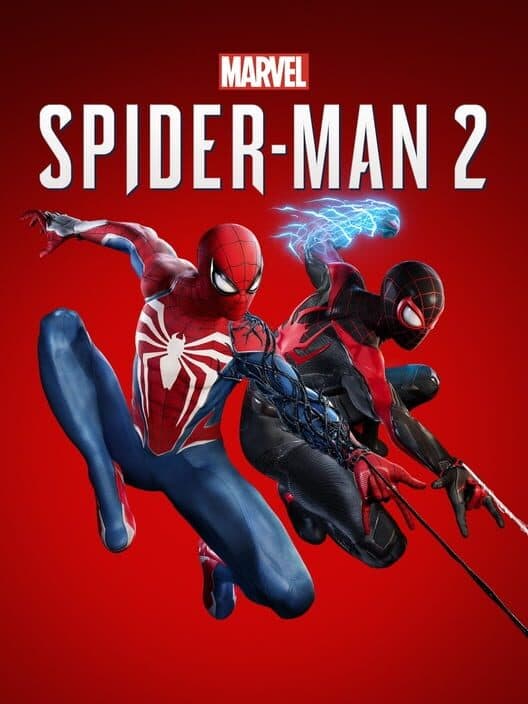
Marvel's Spider-Man 2 is worth it if you want a polished blockbuster that feels great from the first minute, especially if joyful movement matters as much to you as combat. Its biggest strength is simple: crossing the city is fun every single time. Web-swinging and web wings turn travel into a reward, while fights make you feel powerful without asking for elite skill. The story also keeps things moving, gives both Spider-Men real time in the spotlight, and delivers enough emotional weight to pull you through the campaign. What it asks from you is reasonable. Expect about 20 to 25 hours for the main story plus a good slice of side content, with active combat needing real attention but not punishing perfection. Buy at full price if you loved the earlier games or want a story-driven action game you'll likely finish. Wait for a sale if repetitive map cleanup sounds dull, or if you're buying on PC and want to be extra sure current patches play nicely with your hardware. Skip it if you want deep role-playing choices or a truly freeform open world.

Sony Interactive Entertainment • 2023 • PC (Microsoft Windows), PlayStation 5
Marvel's Spider-Man 2 is worth it if you want a polished blockbuster that feels great from the first minute, especially if joyful movement matters as much to you as combat. Its biggest strength is simple: crossing the city is fun every single time. Web-swinging and web wings turn travel into a reward, while fights make you feel powerful without asking for elite skill. The story also keeps things moving, gives both Spider-Men real time in the spotlight, and delivers enough emotional weight to pull you through the campaign. What it asks from you is reasonable. Expect about 20 to 25 hours for the main story plus a good slice of side content, with active combat needing real attention but not punishing perfection. Buy at full price if you loved the earlier games or want a story-driven action game you'll likely finish. Wait for a sale if repetitive map cleanup sounds dull, or if you're buying on PC and want to be extra sure current patches play nicely with your hardware. Skip it if you want deep role-playing choices or a truly freeform open world.
Players repeatedly say movement is the real hook. Web-swinging and web-wing gliding feel fast, smooth, and fun enough that travel itself becomes part of the reward.
Many players enjoy optional cleanup at first, but district tasks and map icons can feel checklist-driven if you try to clear everything instead of sampling the best parts.
A lot of players like the emotional swing of the campaign, while others feel the back half moves too fast or does not give every major threat enough room.
Big finishers, flashy abilities, and cinematic boss fights make players feel powerful without needing expert execution. The polish sells the fantasy from start to finish.
PC players reported crashes, stutter, and visual bugs around launch. Patches helped, but performance still comes up often enough to check recent reports for your setup.
Players repeatedly say movement is the real hook. Web-swinging and web-wing gliding feel fast, smooth, and fun enough that travel itself becomes part of the reward.
Big finishers, flashy abilities, and cinematic boss fights make players feel powerful without needing expert execution. The polish sells the fantasy from start to finish.
Many players enjoy optional cleanup at first, but district tasks and map icons can feel checklist-driven if you try to clear everything instead of sampling the best parts.
PC players reported crashes, stutter, and visual bugs around launch. Patches helped, but performance still comes up often enough to check recent reports for your setup.
A lot of players like the emotional swing of the campaign, while others feel the back half moves too fast or does not give every major threat enough room.
It fits weeknight play well, with frequent autosaves, clear next steps, and plenty of clean stopping points, even if open-world cleanup can tempt one more activity.
This is a strong fit for people who play in chunks. A satisfying run usually means finishing the main story and sampling enough side content to enjoy both Spider-Men, which puts most players around 20 to 25 hours. The structure helps a lot. Missions, side quests, crimes, and district goals all create natural stopping points, and the game pauses fully and autosaves often, so real life can cut in without wrecking progress. It also has very little social baggage. There is no group scheduling, no ladder to maintain, and no need to remember a huge economy or crafting plan when you return after a few days away. The map and menus do most of the remembering for you. The only thing that can quietly stretch your playtime is temptation. Swinging feels so good, and the city throws enough quick activities at you, that it is easy to stay longer than planned. In exchange for that pull, the game gives steady rewards, clear next steps, and a pace that works well on weeknights.
Most of the time you're cruising comfortably, but story fights can suddenly demand quick reads, clean parries, and full attention to enemy cues across the screen.
This asks for moderate attention, not constant brain burn. A lot of a normal session is easygoing: swinging across Manhattan, checking markers, stopping a quick crime, and deciding which upgrade to buy next. Those parts are smooth enough that you can settle in fast. The attention cost climbs when combat starts. Story missions and bigger fights want you to read warning flashes, watch off-screen gunfire, pick the right target first, and decide when to spend cooldown abilities for crowd control. Even then, the thinking stays readable. You are making fast action choices, not studying dense systems or building long plans. That balance is one of the game's strengths. It asks you to lock in for short, flashy bursts, then rewards you with movement that feels effortless and fights that look impressive without becoming overwhelming. You cannot safely divide your attention during active combat, but outside those moments it is much easier to breathe than in harder action games. For many players, it hits a sweet spot between relaxing and engaging.
You can feel competent within a few hours, because the basics are clear, but combat gets much smoother once parries, air combos, and cooldown timing click.
You do not need a huge training period to enjoy this. The game teaches its basics clearly, introduces tools in a friendly order, and uses familiar action controls, so most players can feel competent within the first few hours. The extra layer comes from polish, not obscurity. Parries feel better once your timing settles, air combat gets smoother when you stop mashing, and Peter and Miles become more distinct as you learn when to use each hero's special tools. That means the game asks for practice, but mostly the pleasant kind. You are refining rhythm and confidence, not studying a rulebook or restarting from scratch after every mistake. It helps that failure is gentle. Checkpoints are close, the game explains systems well, and its accessibility options can shave down rough edges even further. The reward for sticking with it is a stronger superhero feeling: cleaner crowd control, better gadget use, and fights that look stylish because you understand the flow. It is approachable early and satisfying later, which is a very friendly combination.
It aims for excitement more than pressure, mixing flashy boss spikes and darker story beats with long stretches of breezy swinging that let your pulse settle.
The emotional ride leans toward excitement, not punishment. When the game wants to spike your pulse, it knows how: loud boss fights, collapsing set pieces, darker symbiote imagery, and moments where several enemy types pile pressure on at once. Those scenes can feel urgent, especially late in the story. But the game is careful not to hold that pressure for too long. Between major missions, you spend plenty of time gliding over rooftops, listening to banter, or clearing short side tasks that feel light and controlled. That rhythm matters. It asks you to handle brief surges of adrenaline, then pays you back with long stretches of superhero freedom where your body can settle again. Failure rarely adds much extra stress because checkpoints are generous and losses are short-lived. So the overall feeling is more 'this is awesome' than 'I need a break.' If you enjoy cinematic action with some heat but do not want the constant strain of survival horror or a punishing boss gauntlet, this lands in a comfortable middle zone.
Games with a similar rhythm and feel, even if they look different