Xbox Game Studios • 2027 • Xbox Series X|S, PC (Microsoft Windows), PlayStation 5
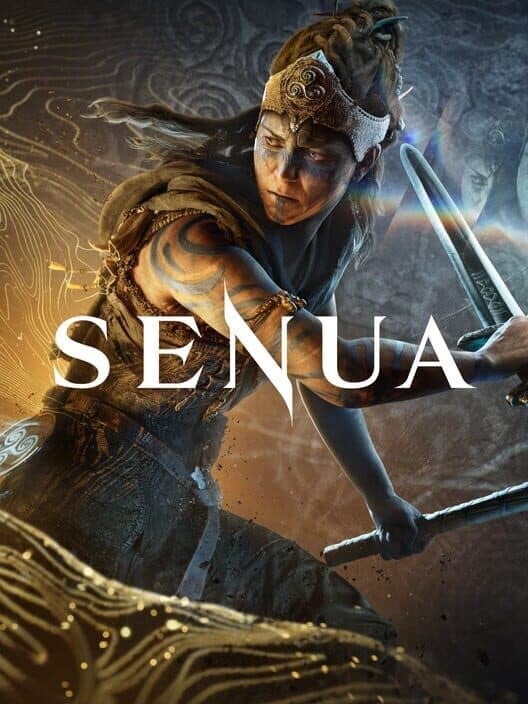
Senua
Xbox Game Studios • 2027 • Xbox Series X|S, PC (Microsoft Windows), PlayStation 5
Is Senua Worth It?
Based on what has been shown so far, Senua looks worth watching closely if you want a short, dark, story-led game with more hands-on play than recent Hellblade. The biggest draw is the mix. It seems ready to keep the series' heavy mood and character focus while adding fuller combat, more exploration, and real puzzle-solving. That could make it easier to recommend to people who liked the world of Hellblade but wanted more to do moment to moment. What it asks from you is pretty clear too. You'll likely need to give it full attention, handle some tense multi-enemy fights, and be in the mood for grief, fear, and unsettling imagery. This does not look like background gaming or comfort-food play. If the final game lands near the current pitch, it should deliver a tight premium adventure that respects your time and leaves a strong impression. My honest verdict: full-price buyers should wait for launch reviews unless they already trust this series. Everyone else should wishlist it. Skip it if you want a lighter tone, open-ended freedom, or a proven easygoing experience.
What is Senua like?
Opinions of Senua
What Players Love
- Players Love
Players welcome the shift toward more hands-on gameplay
Announcement reactions are strongest around fuller combat, more exploration, and real puzzle-solving, with many fans seeing the extra agency as the main hook.
- Players Love
The series atmosphere still looks powerful and distinctive
Fans still seem pulled in by the harsh sound, striking imagery, and grief-heavy tone. Even with a broader structure, the identity looks recognizably Senua.
Common Concerns
- Common Concern
Some doubt the quick turnaround and visible reuse
A smaller but repeat concern is whether the 2027 target means familiar assets or not enough fresh ideas. It is not dominant, but it keeps coming up.
Divisive Aspects
- Divisive
The broader action pivot splits longtime Hellblade fans
Some people love the bigger, more game-like structure, while others worry that added combat and exploration could weaken the earlier intimacy.
What does Senua demand from you?
Time
LOWTime
Everything shown points to a short, finishable journey with clear stop points, strong pause support, and just enough secrets to tempt one more session.
Focus
MODERATEFocus
Expect calm observation to snap into multi-enemy fights, with puzzles and side paths rewarding attention and quick readjustment more than pure button-mashing.
Challenge
MODERATEChallenge
It seems built to teach you quickly, then ask for cleaner reads and better composure rather than extreme execution or hours of studying systems.
Intensity
MODERATEIntensity
The strain looks emotional first and mechanical second: grief, fear, and grim imagery keep the mood heavy even when the moment-to-moment challenge stays manageable.
Frequently Asked Questions
You Might Also Like
Games with a similar rhythm and feel, even if they look different