hello@slated.gg
Powered by IGDB•Privacy•Terms

© 2026 Slated.gg

Slated.gg
Popular GamesAboutDiscover Games
Resonance: A Plague Tale Legacy

Focus Entertainment • 2026 • Xbox Series X|S, PC (Microsoft Windows), PlayStation 5
Satisfying to completePerfect for a weekendEasy to jump into
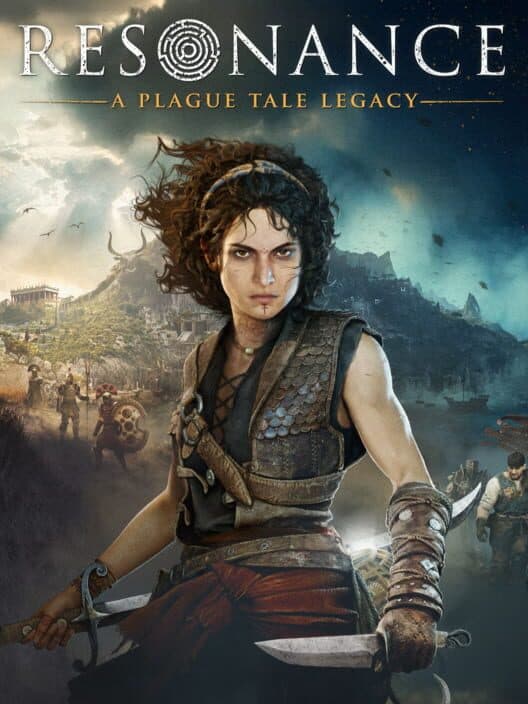
Resonance: A Plague Tale Legacy cover art

Resonance: A Plague Tale Legacy

Focus Entertainment • 2026 • Xbox Series X|S, PC (Microsoft Windows), PlayStation 5

Satisfying to completePerfect for a weekendEasy to jump into

Is Resonance: A Plague Tale Legacy Worth It?

Based on current preview coverage, Resonance: A Plague Tale Legacy looks worth it if you want a focused story adventure with punchier combat than previous series entries. Its biggest draw is the mix: you get parry-and-dodge sword fights, mythic ruins, mirror-and-light puzzles, and a contained 15 to 20 hour campaign instead of a giant map asking for months of your life. That makes it a strong full-price option for players who love Uncharted or Tomb Raider-style treasure hunts and want something darker and more intense. If you mainly loved A Plague Tale for stealth, rats, and helpless survival, I would wait for reviews or a sale, because this seems built around direct melee and a different identity. If you already have Game Pass, it looks like an easy game to sample. The main caution is that preview coverage points to checkpoint saving, some missable side loot, and puzzle rooms that may slow the pace. For the right player, that trade sounds very promising.

What is Resonance: A Plague Tale Legacy like?

Opinions of Resonance: A Plague Tale Legacy

What Players Love

  • Players Love

    Sophia's new melee combat feels punchy and satisfying

    Preview coverage keeps circling back to the same point: parries, dodges, grappling-hook pulls, and finishers make open fights feel far more exciting than before.

  • Players Love

    Treasure-hunt pacing makes puzzles and exploration click together

    Writers consistently praise how ruins, traps, light puzzles, and spectacle flow into one another, giving the island a strong adventure-movie rhythm.

Common Concerns

  • Common Concern

    Some puzzle rooms slow the pace too much

    Several hands-on reports say a few trial rooms are involved enough to interrupt the action, especially if you want the story and combat to keep moving.

  • Common Concern

    Missable side loot may frustrate careful completionist explorers

    The reported lack of manual saves, mixed with unclear points of no return, could mean replaying chapters if you like to fully clear every side path.

Divisive Aspects

  • Divisive

    The shift away from classic series identity may divide fans

    Less stealth and fewer familiar series hallmarks make this feel refreshingly new to some previewers, while others worry it no longer feels like the series they expected.

What does Resonance: A Plague Tale Legacy demand from you?

Time

MODERATE

Time

This is a contained solo campaign with clear chapter beats and full pause, though checkpoint saves and missable side paths make stopping less flexible than ideal.

MODERATE

For time-strapped players, this is one of the more appealing parts of the package. The game appears to be a directed solo campaign that you can meaningfully progress in 60 to 90 minute sessions. Chapters, trial spaces, and set-piece sequences should make it easy to feel like you completed something before bed. Full pause is a big plus too. If life interrupts, you can stop the action cleanly instead of scrambling through a live fight. The main catch is the save setup. Current preview reporting points to checkpoint-based saving and possible points of no return, so you may not always want to quit at the exact second you feel done. That is less of a problem for story-focused players and more of one for careful explorers. Returning after a break should be fairly painless thanks to the notebook and guided structure, and there are no group obligations because the whole thing is built for solo play. It asks for a few focused weeks, then gets out of your life.

Tips
  • Aim to stop at the end of a sub-area or chapter beat rather than mid-search. The game seems better at clean restarts than exact manual save exits.
  • If you care about collectibles, slow down before major story pushes. Preview reports suggest some routes may lock behind you once you commit forward.
  • After a week away, revisit the notebook and your equipped perks before moving on. That quick refresh should cut most of the return friction.

Focus

MODERATE

Focus

You’ll spend most sessions reading rooms, timing defenses, and tracking enemy tells, with enough guidance to stay engaged without feeling overloaded.

MODERATE

This asks for steady, active attention. Most sessions seem built around a rhythm of exploring ruins, spotting side paths, reading mirror angles or symbols, then snapping into real-time combat where enemy tells matter. That means you probably will not want a podcast on in the background, and it is not the kind of game you half-play while scrolling your phone. The good news is that it does not look mentally exhausting in the way a dense strategy game can be. The path forward is usually clear, the notebook helps keep you oriented, and the puzzles sound involved rather than obscure. In practice, the game asks you to stay present and read what is in front of you. In return, it should deliver that satisfying action-adventure feeling where every room has a purpose, every fight has a small tactical read, and every puzzle gives you a little hit of discovery. If you like third-person adventures that keep your brain and hands equally busy, this looks like a strong fit.

Tips
  • Treat combat like reading signals, not like mashing attacks. Watching the color-coded tells first should make parries and dodges click faster.
  • Use the notebook after any break longer than a few days. It should refresh both your story goal and the logic of the last puzzle thread.
  • Before pushing through an obvious exit, quickly sweep nearby side corridors. That reduces the mental drag of wondering whether you missed a sword, charm, or relic.

Challenge

MODERATE

Challenge

It teaches clearly, but you still need a few hours before parries, grappling tricks, and light puzzles feel natural instead of slightly awkward.

MODERATE

This looks approachable for most players, with a real but reasonable ramp. You are not staring at a giant ruleset or an opaque web of systems. Instead, the challenge seems to come from combining a handful of readable skills: block versus dodge timing, using the grappling hook at the right moment, keeping your footing in space-heavy fights, and understanding the game’s light-and-symbol puzzle language. That should make the opening hours feel like active learning rather than punishment. It also helps that previews point to adjustable hint frequency and clear visual cues. The game seems built to teach through repetition, not confusion. Where it may catch some players is in the mix itself. If you dislike parry timing, or if puzzle interruptions frustrate you, the adventure may feel harder than its raw difficulty suggests. What it asks for is willingness to learn its rhythm. What it gives back is the nice action-adventure payoff of feeling noticeably sharper after just a few sessions.

Tips
  • Use early fights to practice defense timing instead of chasing perfect damage. Getting comfortable with parry and dodge reads should smooth the whole campaign.
  • If a trial room stalls out, change your angle and scan for reflected light paths. These puzzles seem built around seeing the room differently.
  • Do not overthink gear choices early. Pick a sword perk or charm that supports your comfort level, then learn the core combat loop first.

Intensity

MODERATE

Intensity

Expect regular bursts of danger rather than nonstop panic, with sword fights and chase scenes raising your pulse before exploration and puzzles calm things down.

MODERATE

The emotional ride looks moderate to high, but not constant. When the game wants to push you, it seems very good at it: parry-driven melee, being hunted through ruins, horror-flavored sequences, and a darker series tone should create real tension. You are not just sightseeing through a pretty island. At the same time, this is not wall-to-wall panic. Puzzle rooms, traversal, and quieter story beats appear to give you breathing room between spikes, which is a big reason the game feels more adventurous than oppressive. Failure also seems annoying rather than crushing most of the time. Normal difficulty appears designed to keep you alert with visible damage and occasional sharp moments, but health restoration and checkpoints should stop most mistakes from spiraling. So the game asks you for some nerves, especially during fights and chases. In return, it should give you satisfying bursts of danger inside a campaign that still knows when to let the pressure drop.

Tips
  • If a chase or combat stretch starts to tilt you, use a pause before the next attempt. A short reset should help more than forcing another rushed retry.
  • Spend a minute learning enemy tells instead of trying to overpower encounters. Calm reads will likely save more health than aggressive guessing.
  • Play this when you want active engagement, not as a sleepy wind-down game. The pressure spikes look exciting, but they may feel tiring on low-energy nights.

Frequently Asked Questions

It looks medium overall. Resonance: A Plague Tale Legacy does not seem brutally hard, but it also does not look like a pure cinematic ride where you can ignore the mechanics. The main challenge appears to come from learning when to block, dodge, or parry, reading enemy attack tells, and staying calm when the game shifts into chase or horror-style pressure. The puzzles may also be a bigger hurdle than the combat for some people, especially if you dislike multi-step room logic. Think closer to God of War 2018 or the newer Tomb Raider games on normal difficulty than something like Sekiro. Hard to learn and hard to master are different here: basic competence should come fairly quickly, likely within a few hours, but the combat will probably feel much smoother once you internalize its timing. Adjustable hint frequency should help if puzzles stall you. If you enjoy action adventures with a little bite, this will likely feel fair. If you hate parry timing or want a very breezy story-only experience, it may feel tougher than average.

Expect roughly 15 to 20 hours for the main story, with maybe 20 to 25 hours if you spend time hunting side paths, relics, charms, and optional swords. That makes Resonance: A Plague Tale Legacy feel like a contained multi-week project rather than a giant long-haul commitment. It looks especially friendly to 60 to 90 minute sessions because the campaign appears built around chapters, trial rooms, and set pieces that create natural stopping points. Full pause should help a lot if life interrupts. The catch is the current preview reporting around checkpoint saving and unclear points of no return, which may make you want to finish a sub-area before turning the game off. For most players, seeing credits should feel like seeing the full experience, not just the beginning of the real game. Replay value seems moderate rather than huge. You may want to revisit missed collectibles or try different perk setups, but this does not look like the kind of game built around endless runs or a hundred-hour endgame.

The stress level looks moderate, with sharp spikes. Most of the time, Resonance: A Plague Tale Legacy seems like an exciting adventure rather than a punishing ordeal, but it clearly wants your attention during live combat and chase scenes. Sword fights, being hunted through ruins, and horror-style sequences should create that good kind of stress where your pulse rises because you are locked in. The game also appears smart about giving you breaks. Puzzle rooms, traversal, and quieter story moments seem to lower the pressure before the next big hit. That matters a lot, because it keeps the whole campaign from feeling exhausting. The bad stress risk is more specific. If you dislike parry timing, if you get frustrated when puzzles interrupt momentum, or if checkpoint saving makes you nervous about missing side content, some stretches may feel more annoying than thrilling. This looks best on nights when you want to be actively engaged, not when you want something soft and brain-off. For most players, the tone should feel tense and dramatic, not overwhelming.

Yes, completely. Resonance: A Plague Tale Legacy is built as a solo game from the ground up, and that also makes it fairly easy to fit around a busy schedule. There are no teammates to coordinate with, no group roles to learn, and no pressure to log in at certain times just to keep up. You can play at your own pace, pause when life interrupts, and move through the campaign one chapter or sub-area at a time. That makes it much more manageable than games with raids, seasonal grinds, or social obligations. The only real caveat is the save setup. Preview reports suggest checkpoint saving rather than full save-anywhere freedom, plus a few possible points of no return for side loot. So while it is easy to pause, it may not always be ideal to stop in the middle of searching a space if you care about collectibles. Returning after a week away should still be fairly painless thanks to the notebook and directed structure. If what you want is a self-contained adventure you can enjoy entirely on your own, this looks like a strong fit.

No, Resonance: A Plague Tale Legacy does not appear to be pay-to-win in any meaningful way. Everything public points to a standard premium release: buy the game once, or access it through Game Pass on Xbox, and play the full single-player campaign. There is mention of an optional pre-order pack, but there is no sign that it sells power in a way that pressures you to spend more just to keep up. That matters even more because this is not a competitive game. There is no multiplayer ladder, no PvP balance problem, and no social economy where paying players can dominate others. At most, the extra content around launch looks like the usual bonus-pack territory rather than an ongoing monetization system built into progression. Since the game is still pre-release at the time of this analysis, it is always wise to check the final store page at launch. But based on current evidence, this looks like a clean one-time-purchase adventure, not a game that will nickel-and-dime you for gameplay advantage.

You Might Also Like

Games with a similar rhythm and feel, even if they look different

Explore more→
Senua game cover art
Satisfying to completePerfect for a weekend

Senua

Time
LOW
Focus
MODERATE
Challenge
MODERATE
Intensity
MODERATE
Shadow of the Tomb Raider game cover art
Satisfying to completeEasy to jump into

Shadow of the Tomb Raider

Time
LOW
Focus
MODERATE
Challenge
LOW
Intensity
MODERATE
Tomb Raider game cover art
Satisfying to completePerfect for a weekend

Tomb Raider

Time
LOW
Focus
MODERATE
Challenge
LOW
Intensity
MODERATE
A Plague Tale: Requiem game cover art
Satisfying to completePerfect for a weekend

A Plague Tale: Requiem

Time
MODERATE
Focus
MODERATE
Challenge
MODERATE
Intensity
MODERATE
Rise of the Tomb Raider game cover art
Satisfying to completePerfect for a weekend

Rise of the Tomb Raider

Time
MODERATE
Focus
MODERATE
Challenge
LOW
Intensity
MODERATE
Resident Evil Requiem game cover art
Satisfying to completePerfect for a weekend

Resident Evil Requiem

Time
MODERATE
Focus
HIGH
Challenge
MODERATE
Intensity
HIGH
← Back to Home