Activision • 2019 • Google Stadia, PlayStation 4, PC (Microsoft Windows), Xbox One
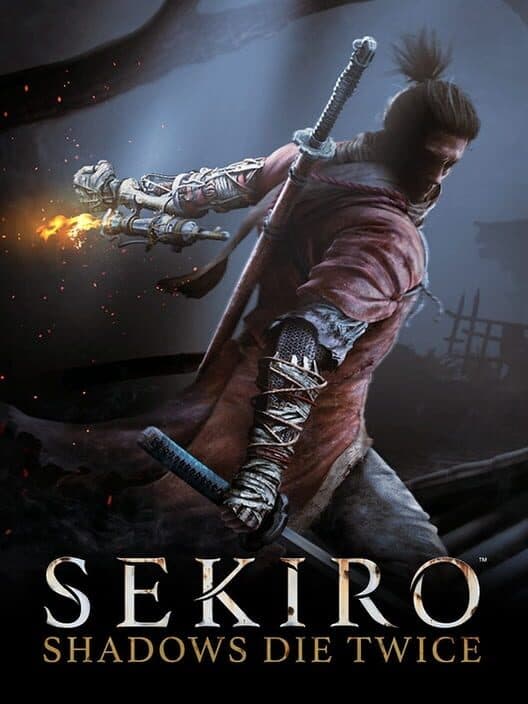
Sekiro: Shadows Die Twice
Activision • 2019 • Google Stadia, PlayStation 4, PC (Microsoft Windows), Xbox One
Is Sekiro: Shadows Die Twice Worth It?
Yes, Sekiro is worth it if you want one of the best sword-fighting mastery arcs in games and you're okay earning every win. Its biggest strength is how cleanly it turns failure into growth. Early on, fights can feel impossible. Later, the same kinds of encounters feel readable, rhythmic, and thrilling because your hands and eyes have improved, not because you found a broken build. That is what makes it special. Buy at full price if tough action games usually energize you and you like the idea of a 30 to 40 hour journey with memorable boss duels, strong atmosphere, and a real sense of personal improvement. Wait for a sale if you love the style but bounce off hard walls or only play in very scattered bursts. Skip it if you need adjustable difficulty, broad build freedom, or a relaxed after-work game. Sekiro is brilliant, but it asks for focus, repetition, and patience before it gives back its best moments.
What is Sekiro: Shadows Die Twice like?
Opinions of Sekiro: Shadows Die Twice
What Players Love
- Players Love
Deflect-based sword combat feels precise and deeply rewarding
Players consistently say the posture and deflect system turns fights into tense duels. Once the timing clicks, even regular enemies become satisfying to outplay.
- Players Love
Boss wins deliver one of gaming's strongest mastery highs
Major bosses are often frustrating in the moment, but many players say the wins feel unforgettable because success comes from sharper reads and cleaner timing.
- Players Love
Feudal Japan atmosphere and creature design leave a lasting mark
Players often praise the striking locations, creature designs, music, and dark historical fantasy mood, which help even failed runs stay memorable.
Common Concerns
- Common Concern
Steep difficulty can halt progress with few safety valves
A common complaint is that the game offers few relief valves. If the combat style never clicks, the lack of difficulty options or broad workaround builds can hard-stop progress.
- Common Concern
Camera and lock-on can muddy some crowded encounters
Some players report camera trouble in tight spaces or messy group fights, where lock-on and visibility can briefly undermine the clean duel feeling the game does best.
Divisive Aspects
- Divisive
Focused combat mastery replaces the usual build experimentation
Some players love the stripped-back focus because it forces real engagement with the combat. Others miss broader builds, summons, and alternate ways to solve hard fights.
What does Sekiro: Shadows Die Twice demand from you?
Time
MODERATETime
One full run feels complete, and the game pauses well, but boss walls and mechanical rust make it better for steady weekly play than long breaks.
Focus
HIGHFocus
Sekiro wants full eyes-on-screen attention, with boss fights built around reading tells, matching the right counter, and staying calm inside fast sword duels.
Challenge
HIGHChallenge
The early hours can be brutal, but once the combat language clicks, the game turns repeated failure into a clear, satisfying sense of personal growth.
Intensity
VERY HIGHIntensity
Most sessions feel tense rather than cozy, with bloody close calls, punishing mistakes, and a huge rush when a boss finally falls.
Frequently Asked Questions
You Might Also Like
Games with a similar rhythm and feel, even if they look different