Bandai Namco Entertainment • 2024 • Xbox Series X|S, PlayStation 4, PC (Microsoft Windows), PlayStation 5, Xbox One
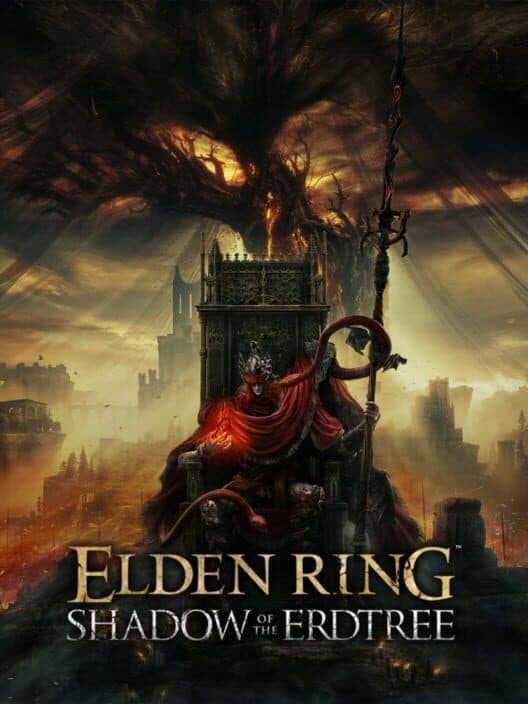
Elden Ring: Shadow of the Erdtree (and the base game it expands) is worth it if you enjoy demanding, high-stakes action and have time for a long journey. The core experience trades comfort for intensity: you’ll die a lot, get lost, and bang your head against certain bosses. In return, you get some of the most satisfying victories and memorable locations in modern games. For busy adults, the question is less “Is it good?” and more “Do I have the bandwidth?” You’ll want regular 60–90 minute sessions, enough patience to learn from failure, and a tolerance for looking up the occasional tip. If you already like Dark Souls, Bloodborne, or tough games like Hollow Knight, buying at full price is easy to justify. The DLC in particular assumes you’re comfortable with that style and ramps difficulty even further. If you mostly unwind with relaxed games, dislike repeating fights, or rarely have more than 30 minutes at a time, this is better as a deep-discount experiment or a watch-on-YouTube experience.

Bandai Namco Entertainment • 2024 • Xbox Series X|S, PlayStation 4, PC (Microsoft Windows), PlayStation 5, Xbox One
Elden Ring: Shadow of the Erdtree (and the base game it expands) is worth it if you enjoy demanding, high-stakes action and have time for a long journey. The core experience trades comfort for intensity: you’ll die a lot, get lost, and bang your head against certain bosses. In return, you get some of the most satisfying victories and memorable locations in modern games. For busy adults, the question is less “Is it good?” and more “Do I have the bandwidth?” You’ll want regular 60–90 minute sessions, enough patience to learn from failure, and a tolerance for looking up the occasional tip. If you already like Dark Souls, Bloodborne, or tough games like Hollow Knight, buying at full price is easy to justify. The DLC in particular assumes you’re comfortable with that style and ramps difficulty even further. If you mostly unwind with relaxed games, dislike repeating fights, or rarely have more than 30 minutes at a time, this is better as a deep-discount experiment or a watch-on-YouTube experience.
A long, season-sized adventure best played in 60–90 minute chunks a few times a week, with awkward re-entry if you leave it for too long.
Elden Ring is a major time commitment. For most busy adults, seeing an ending and experiencing several big regions is a 50–80 hour project. At 8–10 hours a week, that’s a month or two of regular play, not counting the Shadow of the Erdtree expansion. Sessions feel best when you can spare at least an hour; shorter windows often vanish into a handful of boss attempts or slow, cautious exploration. Stopping is mechanically easy: the game autosaves often, and you can quit to the menu almost anywhere, though it’s safest near a Site of Grace. The structure is loose, though. There are natural breakpoints—clearing a dungeon, unlocking a new area, reaching a new Grace—but nothing forces you to stop. That makes it flexible but also easy to lose track of time. The biggest catch is coming back after a long break. With minimal quest tracking and a demanding combat system, you may spend a whole session just remembering controls, re-reading your build, and figuring out what you meant to do next.
You need steady, sustained attention and quick reactions; this is not a podcast game, though exploration and menus give occasional mental breaks.
Playing Elden Ring well means staying mentally present. Most of a typical session you’re scanning the environment for ambushes, watching enemy animations, tracking stamina, and thinking about whether to push forward or pull back. Combat demands that you read patterns and react within tight windows. Between fights, you’re checking the map, picking a route, and tinkering with gear or flasks. None of this is spreadsheet-deep, but it keeps your brain engaged almost the whole time. This isn’t a great choice when you want to watch a show in the background or frequently glance at your phone. Looking away at the wrong moment can mean falling off a ledge, getting sniped, or running into a pack of enemies you weren’t ready for. The one exception is when you’re safely at a Site of Grace or just riding through a cleared area. For busy adults, the game feels mentally more like a demanding hobby than a casual distraction, best played when you can give it real attention.
It takes time to click, but once it does, every bit of improvement makes the world feel more manageable and your character far more powerful.
Elden Ring has a real learning curve, especially if you’ve never played a Souls-style game. Early on, you’re juggling new ideas: dodging through attacks instead of away from them, watching stamina, learning how much damage you can safely trade, and figuring out what all the stats and upgrade paths actually do. For many adults, the first 10–20 hours feel rough, with frequent deaths and a sense of not quite “getting it.” The flip side is that improvement is obvious and satisfying. As you learn enemy patterns and refine your build, areas that once terrified you become routine. You start recognizing telegraphs, timing rolls almost automatically, and choosing where to go next with confidence. Building around one weapon or spell set and growing truly comfortable with it transforms the whole experience. You don’t need to aim for perfection or speedrunning. Solid baseline competence—good rolling, smart blocking, and a sensible build—is enough to see credits. For players who enjoy feeling themselves grow more skilled over weeks, the payoff is huge.
Expect sharp spikes of tension and frustration around bosses and rune loss, mixed with calmer stretches of quiet wandering and discovery.
Emotionally, Elden Ring runs hot. Boss fights, nasty ambushes, and big rune piles create real tension: your heart rate climbs, hands sweat, and a string of close calls can feel exhausting. When a boss can kill you in a few hits and each attempt takes time, it’s easy to feel pressure not to “waste” a whole evening on failure. Even regular enemies can punish you for relaxing or getting greedy. That said, the open world softens things. When a fight becomes too stressful, you can ride away, level up, or explore somewhere new. Long rides under eerie skies, wandering through quiet ruins, or just soaking in the atmosphere offer emotional valleys between the peaks. For many players, this type of stress is the point: beating a tough encounter feels incredible precisely because it asked so much of you. But if you’re already wound up from work or parenting, it can tip from exciting to draining. It’s better as an active, engaging experience than a late-night unwind game.
Games with a similar rhythm and feel, even if they look different