hello@slated.gg
Powered by IGDB•Privacy•Terms

© 2026 Slated.gg

Slated.gg
Popular GamesAboutDiscover Games

Road to Vostok

Road to Vostok • 2026 • PC (Microsoft Windows)
Rewarding skill growthTense

Is Road to Vostok Worth It?

Road to Vostok is worth it right now if you want tense solo survival runs without dealing with PvP. Its best trick is the contrast between careful shelter prep, quiet scavenging, sudden deadly fights, and the huge relief of making it back alive. If you've ever liked the idea of Tarkov or STALKER-style pressure but not the online sweat, this is a very appealing Early Access version of that fantasy. What it asks from you is patience. Saving is tied to shelters, the early learning curve is rough, and some AI behavior still seems unfair enough to frustrate. It also helps if you enjoy planning, inventory sorting, and self-directed goals as much as shooting. Buy at full price if that core loop already sounds like your thing and you're comfortable with Early Access rough edges. Wait for a sale or a few major updates if you want smoother onboarding, more content, and cleaner enemy behavior. Skip it for now if you want a story-driven game, quick low-stress sessions, or polished convenience features over harsh immersion.

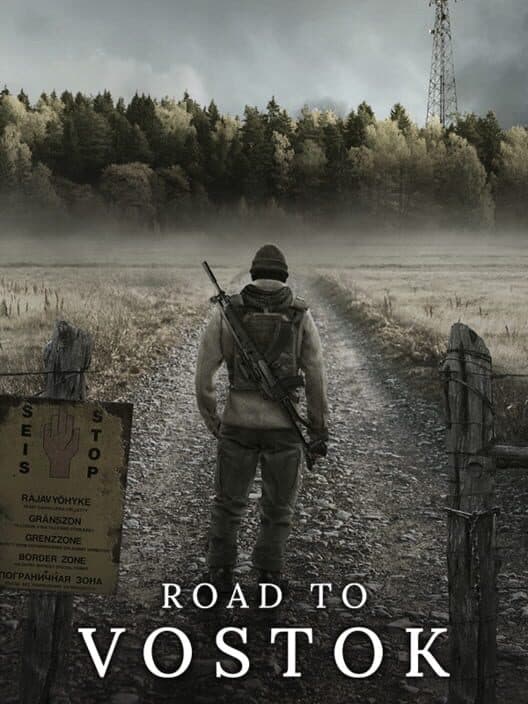
Road to Vostok cover art

Road to Vostok

Road to Vostok • 2026 • PC (Microsoft Windows)

Rewarding skill growthTense

Is Road to Vostok Worth It?

Road to Vostok is worth it right now if you want tense solo survival runs without dealing with PvP. Its best trick is the contrast between careful shelter prep, quiet scavenging, sudden deadly fights, and the huge relief of making it back alive. If you've ever liked the idea of Tarkov or STALKER-style pressure but not the online sweat, this is a very appealing Early Access version of that fantasy. What it asks from you is patience. Saving is tied to shelters, the early learning curve is rough, and some AI behavior still seems unfair enough to frustrate. It also helps if you enjoy planning, inventory sorting, and self-directed goals as much as shooting. Buy at full price if that core loop already sounds like your thing and you're comfortable with Early Access rough edges. Wait for a sale or a few major updates if you want smoother onboarding, more content, and cleaner enemy behavior. Skip it for now if you want a story-driven game, quick low-stress sessions, or polished convenience features over harsh immersion.

What is Road to Vostok like?

Opinions of Road to Vostok

What Players Love

Common Concerns

Divisive Aspects

Players Love

Solo extraction tension works without the usual PvP stress

Many players love getting the high-stakes loot-and-return feeling without online opponents. The solo format keeps the pressure high while avoiding sweaty matchmade chaos.

Common Concern

Enemy awareness and night fights can feel unfair

A major complaint is that enemies sometimes seem too accurate or too aware, especially at range or in darkness. Because combat is so lethal, this issue hits hard.

Divisive

The sandbox feels freeing to some and sparse to others

Some players enjoy the self-directed loot, prep, and task rhythm, while others feel the current build is too thin and too dependent on making your own fun.

Players Love

Atmosphere and performance feel strong for launch-week Early Access

Players often praise the lonely Finnish mood, soundscape, and surprisingly solid technical footing. For a brand-new early build, stability and atmosphere stand out.

Common Concern

New-player onboarding and manual weapon controls are rough

Several players say the early hours are harder than they need to be because key actions and weapon handling feel unintuitive. Expect trial and error before the basics settle in.

Players Love

Solo extraction tension works without the usual PvP stress

Many players love getting the high-stakes loot-and-return feeling without online opponents. The solo format keeps the pressure high while avoiding sweaty matchmade chaos.

Players Love

Atmosphere and performance feel strong for launch-week Early Access

Players often praise the lonely Finnish mood, soundscape, and surprisingly solid technical footing. For a brand-new early build, stability and atmosphere stand out.

Common Concern

Enemy awareness and night fights can feel unfair

A major complaint is that enemies sometimes seem too accurate or too aware, especially at range or in darkness. Because combat is so lethal, this issue hits hard.

Common Concern

New-player onboarding and manual weapon controls are rough

Several players say the early hours are harder than they need to be because key actions and weapon handling feel unintuitive. Expect trial and error before the basics settle in.

Divisive

The sandbox feels freeing to some and sparse to others

Some players enjoy the self-directed loot, prep, and task rhythm, while others feel the current build is too thin and too dependent on making your own fun.

What does Road to Vostok demand from you?

Time

MODERATE

Time

It fits a weeknight better than a raid game thanks to pause, but shelter-only saves and rough re-entry still reward regular, planned sessions.

MODERATE

Road to Vostok is more flexible than it first looks, but it still asks for a certain kind of time. The core loop naturally breaks into shelter prep, one outing, and a return to safety, so a good session can fit into about an hour if you stay disciplined. In that sense, it works better for a busy schedule than many extraction games because you're playing alone and can pause whenever real life intrudes. The catch is that ending cleanly is different from pausing cleanly. Since saving is tied to shelters, you really want enough time to finish the loop and get home. It also asks for continuity. After a week or two away, you'll likely spend part of your next session remembering your stash, tasks, route plans, and controls before you feel sharp again. There is no social obligation and no pressure to keep up with a team, which helps a lot. Expect a multi-week relationship, not a forever game, if your goal is simply to understand what makes it special.

Tips

  • Budget 60 to 90 minutes when possible so you can prep, run, and return to shelter without rushing the dangerous final stretch.
  • Pause solves sudden interruptions, but don't start a deep push if there's a real chance you must end the night in ten minutes.
  • After a long break, use one short session to rebuild muscle memory and reorganize your stash before taking bigger risks again.

Focus

HIGH

Focus

Quiet looting still needs your brain on. Most runs are about reading sound, sightlines, inventory space, and retreat options instead of relaxing on autopilot.

HIGH

Road to Vostok asks for steady attention almost the whole time you're outside the shelter, and in return it delivers a strong feeling that every small choice matters. This is not a game for half-watching a show. Even during slow stretches, you're scanning windows, listening for contact, counting bullets, thinking about weight, and asking whether your current route still makes sense. The moment-to-moment action is slower than an arcade shooter, but the mental load stays high because danger can arrive fast and the penalty for sloppy play is real. It also leans more toward planning than pure speed. Good runs are often won before the fight starts through smarter packing, safer pathing, and the discipline to leave early. When shooting does break out, you still need solid reactions, but the bigger skill is reading space well and avoiding bad positions in the first place. If that sounds appealing, the payoff is excellent: a deeply absorbing solo rhythm where quiet scavenging and sudden violence feel tightly connected.

Tips

  • Treat each outing like a small job: pack light, set one goal, and leave early instead of improvising across the whole map.
  • Use the shelter to pre-sort ammo, meds, and barter goods so you spend less mental energy fiddling during the dangerous part of a run.
  • Play with good audio and fewer distractions; enemy cues and direction matter almost as much as what you can see.

Challenge

HIGH

Challenge

The basics take work because controls, save rules, and survival systems are rough at first, but regular play turns early confusion into satisfying self-reliance.

HIGH

This game is hard to learn in a very specific way. It doesn't just ask you to shoot well. It asks you to understand manual weapon handling, shelter-only saving, inventory packing, barter value, healing flow, map routes, and how much risk your current loadout can realistically support. That means the early hours can feel awkward and even a little hostile, especially if you expect smooth onboarding. The good news is that the difficulty becomes more readable as your habits improve. You start to recognize safer routes, keep cleaner kits, panic less in fights, and understand when a run is already a success. That's where the game's real reward shows up. It asks for patience and repeated failure, then gives back a strong sense of earned competence. You're not just getting stronger through numbers on a character sheet. You're getting better at the whole rhythm of survival. Players who enjoy learning through repetition will find that arc very satisfying. Players who need a gentle first few hours may bounce off fast.

Tips

  • Expect the first several hours to feel awkward. Manual reloads, healing flow, and stash management usually click through repetition, not instant understanding.
  • Stick to one weapon setup and one safer route at first; reducing variables makes the harsh early learning phase much smoother.
  • If a system feels confusing, test it on a low-risk run instead of trying to learn it while carrying your best gear.

Intensity

VERY HIGH

Intensity

This is stressful in a slow-burn way: long calm stretches, sudden lethal gunfire, and real fear of losing gear make every safe return feel earned.

VERY HIGH

Road to Vostok is intense, but not because it throws nonstop chaos at you. It asks you to live with uncertainty, and it pays that off with powerful relief when you finally make it home. A lot of the stress comes from what might happen next. You can spend ten quiet minutes looting, then one bad peek or distant shot turns the whole run into a scramble to survive, heal, and salvage what you can. That creates the good kind of stress for the right player: focus sharpens, every exfil feels like a story, and the trip back to shelter carries real emotional weight. The harsher side is that the game can also produce frustration, especially when AI sightlines or night visibility feel rougher than fair. The solo format and pause feature keep it from reaching full online-extraction misery, but this is still a game you should play when you want pressure, not comfort. If you're in the mood for tense, lonely survival, it absolutely delivers.

Tips

  • Play when you want tension, not background comfort; even a successful run can leave you wound up for a few minutes afterward.
  • Bank small wins early. Leaving with modest loot usually feels better than gambling a full backpack on one extra building.
  • Save Vostok pushes for later, after the basic shelter and loot loop feels routine enough that pressure stops scrambling your judgment.

Frequently Asked Questions

You Might Also Like

Games with a similar rhythm and feel, even if they look different
Explore more→
No Rest for the Wicked game cover art
Rewarding skill growth

No Rest for the Wicked

Time
MODERATE
Focus
HIGH
Challenge
MODERATE
Intensity
HIGH
Noita game cover art
Rewarding skill growthTense

Noita

Time
MODERATE
Focus
VERY HIGH
Challenge
HIGH
Intensity
VERY HIGH
Dark Souls III game cover art
Rewarding skill growth

Dark Souls III

Time
MODERATE
Focus
HIGH
Challenge
HIGH
Intensity
HIGH
Returnal game cover art
Rewarding skill growthTense

Returnal

Time
MODERATE
Focus
HIGH
Challenge
HIGH
Intensity
VERY HIGH
Nioh 3 game cover art
Rewarding skill growth

Nioh 3

Time
HIGH
Focus
VERY HIGH
Challenge
HIGH
Intensity
HIGH
The Binding of Isaac: Rebirth game cover art

The Binding of Isaac: Rebirth

Time
LOW
Focus
HIGH
Challenge
MODERATE
Intensity
HIGH
← Back to Home