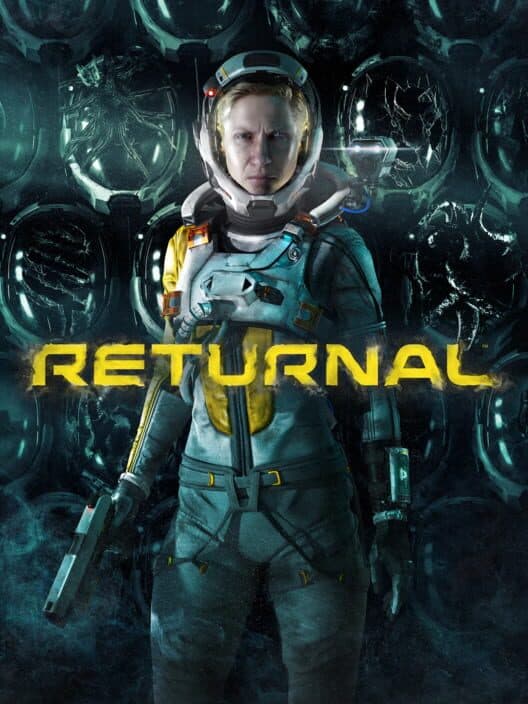
Returnal

Sony Interactive Entertainment2021PC (Microsoft Windows), PlayStation 5

Run-based bullet-hell sci-fi shooter

Punishing difficulty with big skill payoffs

Moody psychological story on alien world

Is Returnal Worth It?

Returnal is worth it if you enjoy demanding, repeat-run action games and do not mind losing progress when you die. It offers some of the tightest feeling shooting and movement on modern consoles, wrapped in a striking sci‑fi horror atmosphere and backed by a mysterious, interpretive story. The core loop of learning enemy patterns, building a run, and pushing a little farther each time can be incredibly satisfying if you like seeing your own skills grow. The catch is what it asks from you: full attention, solid reflexes, and patience with failure. Runs are long enough that a bad death can cost you an evening, and there is no traditional difficulty slider to smooth the ride. For busy adults who love high‑skill action and can dedicate focused sessions, buying at or near full price makes sense. If you are curious about the story and visuals but wary of frustration, it is a strong choice on sale. If you mainly want relaxed, guaranteed-progress story nights, you may be happier skipping it.

When is Returnal at its best?

You have a free weeknight with 60–90 minutes, feel mentally sharp, and want an intense challenge where even a failed run still feels exciting and educational.

It is a weekend afternoon, you can dedicate a couple of hours, and you are in the mood to push deeper, learn a new boss, and maybe unlock a fresh biome.

A friend who also enjoys tough action games is online, and you both want a focused co-op session where you coordinate dodges, share loot decisions, and celebrate each hard-won victory together.

What is Returnal like?

Returnal asks for moderate but focused commitment. Most players will see the core story and roll credits somewhere between 20 and 35 hours, depending on skill and luck. That is a solid, but not endless, arc for a busy adult. Sessions themselves are where the friction shows. A single good run can easily last 45–75 minutes, and while you can suspend and resume, you cannot juggle multiple runs or checkpoint whenever you like. That makes the game a better fit for evenings when you can block off a chunk of time, rather than ten-minute pockets between other tasks. When life pulls you away for a few weeks, coming back often means rebuilding timing and confidence, so there is a re‑entry cost. The upside is that Returnal does not demand you live in it for months; a few concentrated weeks of play can deliver the main experience, with extra modes there if you fall in love.

Tips

  • Plan to play on nights when you can spare at least an hour; use the Suspend feature only as a backup, not your main structure.
  • Accept that some evenings will end in failure with little visible progress; think of them as investment in future, easier runs.
  • If you have been away for a while, spend a session just re-learning movement and early enemies before trying to push into later biomes.

Playing Returnal well means giving it most of your attention. During fights, you are tracking swirling bullet patterns, enemy tells, and safe spaces to dash into, often all at once. You also manage cooldowns, alt‑fire timing, and positioning around hazards, so your hands and eyes stay busy. Outside combat there is a bit more breathing room, but you are still glancing at the map, weighing which doors to open, and checking loot risks. Thinking is mostly quick and tactical rather than long-term planning, yet it is relentless enough that background distractions like podcasts or chats quickly hurt performance. For a busy adult, this is a game to play when you can focus, not something to half‑watch while multitasking. In exchange for that focus, you get a strong sense of flow: your brain locks into reading patterns and your fingers respond almost automatically, which can feel incredibly absorbing.

Tips

  • Save Returnal for evenings when you have solid mental energy; it is not a great fit for end-of-day half-awake gaming.
  • Aim for at least 45–90 uninterrupted minutes so a run can naturally rise, peak, and end without constant real-world breaks.
  • Turn off background shows and podcasts; rely instead on the game’s audio cues to help you read attacks and stay immersed.

On paper, Returnal is simple: shoot enemies, dash through bullets, pick up upgrades, repeat. You can understand the basics quickly, but getting reliably good is another story. Early on, you will probably die a lot while learning enemy behaviors, attack timings, and how different artifacts, parasites, and malfunctions actually affect your odds. The game expects you to build muscle memory for dash windows, read bullet patterns almost subconsciously, and develop strong instincts for when a run is worth continuing or better off reset. That sounds daunting, but the payoff is powerful. As your skills grow, the first biomes that once felt impossible become warm‑up material, and previously terrifying bosses turn into fights you can beat without taking a hit. For players who enjoy feeling their own improvement, this growth curve is a big part of the fun. For those who want instant comfort and steady progress without practice, it can be a dealbreaker.

Tips

  • Treat your first 5–10 hours as training; focus on learning patterns and safe movement rather than obsessing over fast story progress.
  • Stick with one or two favorite weapon types at first so your aiming and movement habits can solidify around consistent tools.
  • If you struggle, watch short clips of boss fights to spot safe zones and rhythms, then practice those patterns in your own runs.

Returnal runs are emotionally intense. You might spend an hour carefully building a powerful setup, only to lose it all to one badly timed dash or unseen projectile. That constant threat gives every encounter a sense of danger, especially once you are deep into a biome with a lot to lose. The atmosphere leans into this: rain‑soaked ruins, unsettling creatures, and cryptic house sequences create a low-level dread, even though it is not a traditional jump‑scare horror game. If you enjoy adrenaline and nail‑biting close calls, this tension can feel amazing. If you come in already stressed from work or family life, the same tension can feel like too much. There are no difficulty sliders to soften the blows, so coping is mostly about mindset and pacing your sessions. When it clicks, the release you feel after beating a tough boss or escaping a chaotic room makes all that stress feel worth it.

Tips

  • If you feel tilted after a rough death, stop for the night or run only early biomes as low-pressure practice instead of pushing deeper.
  • Avoid starting serious runs when you are already anxious or exhausted; pick a calmer game for true wind-down evenings.
  • Use audio mix and brightness settings that keep things clear but not overwhelming, reducing sensory overload during hectic fights.

Frequently Asked Questions