Koei Tecmo Games Co. • 2026 • PC (Microsoft Windows), PlayStation 5
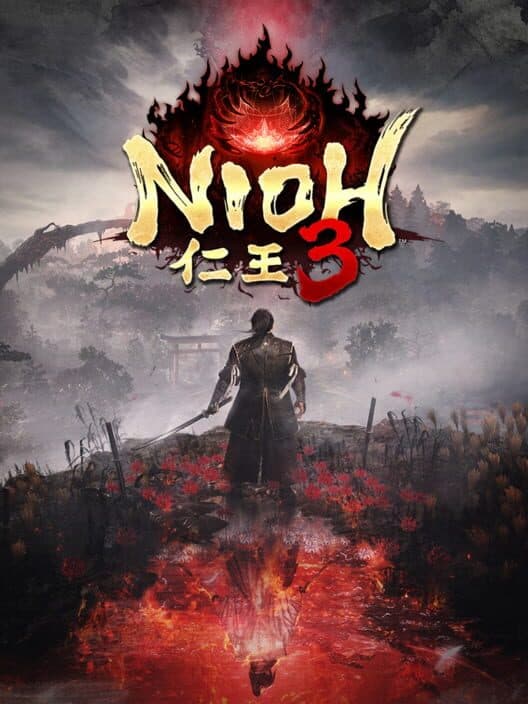
Brutally challenging samurai–ninja action combat
40–60 hour dark fantasy campaign
Primarily solo, with optional co-op help
Nioh 3 is worth it if you love brutally challenging, skill-based melee combat and have the patience for repeated failures. It’s a dark samurai action RPG where most of your time is spent reading enemy moves, perfecting timing, and slowly shaping a powerful Samurai or Ninja-focused build. The game asks a lot: high concentration, comfort with dying often, and a willingness to dig into gear, skills, and systems. In return, it delivers some of the most satisfying “I finally did it” moments you can get from an action game. Advancement feels tangible as you refine your build and learn each boss’s patterns, and the semi-open regions reward curiosity without drowning you in icons. If you mainly want a relaxed story ride or can’t stand doing the same encounter many times, this probably isn’t a good use of your money or time. But if Elden Ring, Sekiro, or the earlier Nioh games appealed to you, buying Nioh 3 at full price makes sense.

Koei Tecmo Games Co. • 2026 • PC (Microsoft Windows), PlayStation 5
Brutally challenging samurai–ninja action combat
40–60 hour dark fantasy campaign
Primarily solo, with optional co-op help
Nioh 3 is worth it if you love brutally challenging, skill-based melee combat and have the patience for repeated failures. It’s a dark samurai action RPG where most of your time is spent reading enemy moves, perfecting timing, and slowly shaping a powerful Samurai or Ninja-focused build. The game asks a lot: high concentration, comfort with dying often, and a willingness to dig into gear, skills, and systems. In return, it delivers some of the most satisfying “I finally did it” moments you can get from an action game. Advancement feels tangible as you refine your build and learn each boss’s patterns, and the semi-open regions reward curiosity without drowning you in icons. If you mainly want a relaxed story ride or can’t stand doing the same encounter many times, this probably isn’t a good use of your money or time. But if Elden Ring, Sekiro, or the earlier Nioh games appealed to you, buying Nioh 3 at full price makes sense.
When you have a focused 90-minute evening and want a demanding, skill-based challenge, pushing a new base or boss from shrine to shrine feels deeply satisfying.
When you and one friend can hop on voice chat and tackle a stubborn mission together, sharing both the repeated failures and that final cheering victory.
When you’re in the mood for a long-term “project game” over a few weeks, treating each session like practice toward mastering a favorite weapon and build.
A multi-week journey built around 60–90 minute missions, with okay flexibility but real costs for long breaks or sudden interruptions.
For a busy adult, Nioh 3 is best thought of as a several‑week project. A focused first playthrough with some side content will likely land around 40–60 hours, which translates to a month or more at 5–15 hours per week. The good news is that its structure suits 60–90 minute sessions: clearing a base, finishing a sub‑mission, or reaching the next shrine all make natural stopping points. However, the game isn’t perfect about respecting chaotic schedules. You can pause freely and shrines are frequent, but getting pulled away mid‑boss or mid‑base can mean losing progress and re‑running dangerous stretches. Taking a few weeks off raises the ramp back in, since controls and build details are easy to forget. Co-op is completely optional, so you don’t need to schedule around other people, but coordinating with a friend can make tough stretches smoother. If you’re willing to give it regular, focused chunks of time, Nioh 3 fits adult life reasonably well.
Demands sharp attention and quick reactions almost every moment; this is a “put the phone away” kind of game.
During a typical Nioh 3 session, your attention is glued to the screen. Enemies hit hard, telegraphs are quick, and juggling Ki, styles, and positioning leaves little room for distraction. You’re constantly reading attack animations, deciding when to deflect or dodge, and choosing whether to push damage or retreat to the nearest shrine. Outside combat, you’re planning routes through enemy bases, comparing loot, and nudging your build, which still asks for a bit of mental energy. There are breathers: safe zones at shrines, calm jogs through already-cleared areas, and slower menu time. But the overall feel is intense and hands-on rather than chill. If you like games where you can half-watch a show or chat deeply with someone else, this will be a tough fit. If you enjoy sinking into a single demanding task and forgetting everything else for an hour, Nioh 3 absolutely delivers that locked-in state.
Steep to learn but incredibly rewarding once timing, tools, and builds click together.
Nioh 3 isn’t something you casually dabble in for an hour, master, and move on from. The early hours can feel overwhelming: multiple weapon types, three Samurai stances, a separate Ninja style, Ki management, yokai realm quirks, and thick loot systems all hit you fairly quickly. Expect to feel clumsy and die a lot while your brain and fingers catch up. The upside is that the game pays you back generously for that effort. As you learn enemy patterns and tighten your execution, encounters that once seemed impossible become manageable, then almost relaxed. Layer in smarter gear choices, skill picks, and Guardian Spirit setups, and you’ll feel your power skyrocketing without the game becoming trivial. For adults who enjoy improving at a demanding hobby over weeks, Nioh 3 scratches the same itch as learning an instrument or a tough sport. If you dislike practicing or repeating challenges, it will likely feel punishing rather than satisfying.
High-stress, high-adrenaline swordfights where failure stings but victory feels incredible.
Emotionally, Nioh 3 runs hot. Combat is fast, lethal, and unforgiving, so your heart rate will climb during tough pulls and boss attempts. Losing a pile of Amrita or getting sent back to a distant shrine after a sloppy mistake can feel brutal, especially if your gaming time is limited. The dark, gruesome tone and horror-tinged yokai designs add extra tension on top of the mechanical pressure. That said, the intensity has a payoff: finally clearing a difficult base or beating a boss that walled you for days feels amazing. The stress is usually “good stress” for players who like challenge, closer to a demanding sport than a horror game jump scare fest. If you come in expecting a soothing unwind after a rough workday, you may bounce off the pressure. If you want to feel fully engaged, occasionally angry, and then deeply satisfied, the emotional ride is a feature, not a bug.
Games with a similar rhythm and feel, even if they look different